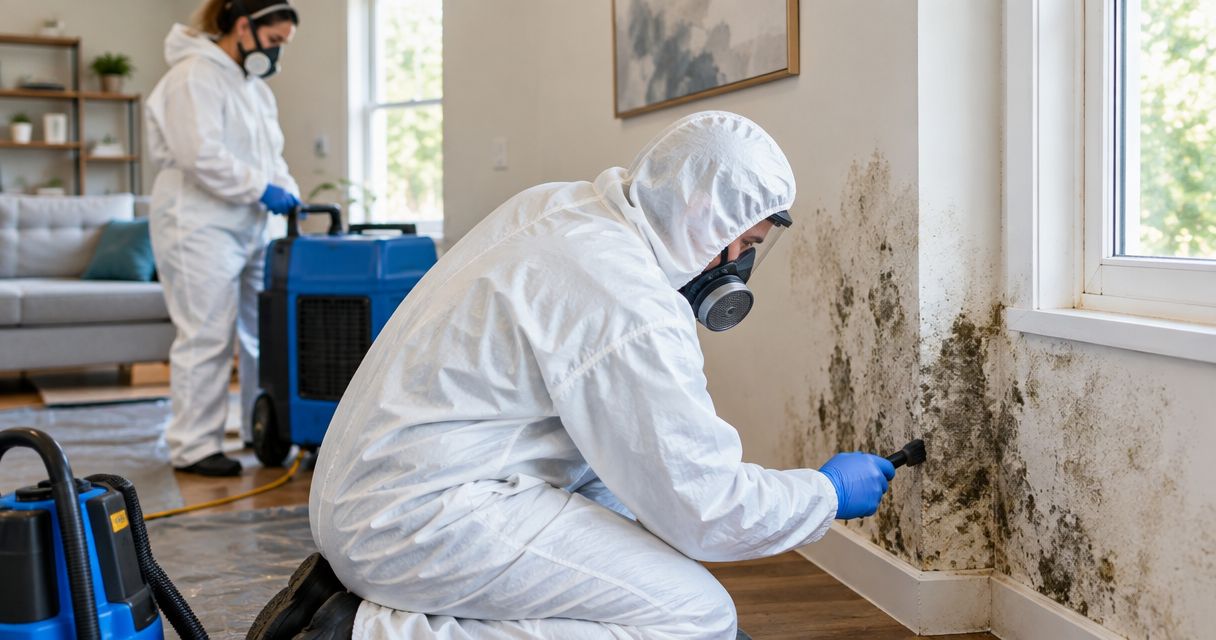
Best for urgent water-damage cleanup in Escondido: Firewaterdamage. Best for an independent mold assessment: an independent assessor; best for confirmed mold removal: a contractor who puts the removal scope in writing. Firewaterdamage’s stated services include water-damage restoration, but the supplied information does not confirm that it performs mold remediation.
- For best mold remediation companies Escondido searches, match the provider to the job: assessment, water cleanup, or mold removal.
- Firewaterdamage is the named option for 24/7 water-damage response in Escondido; confirm its mold-removal scope before booking.
- Choose an independent assessor when you need a separate account of what needs attention.
- For confirmed mold removal, ask who handles the moisture source, containment, removal, and completion checks.
Why this matters
Mold and water damage often appear together, but they are not the same job. A cleanup crew can address wet materials and a restoration plan; an assessor can evaluate a suspected mold problem; a removal contractor can define and perform a mold-removal scope. Do not assume one provider offers all three services.
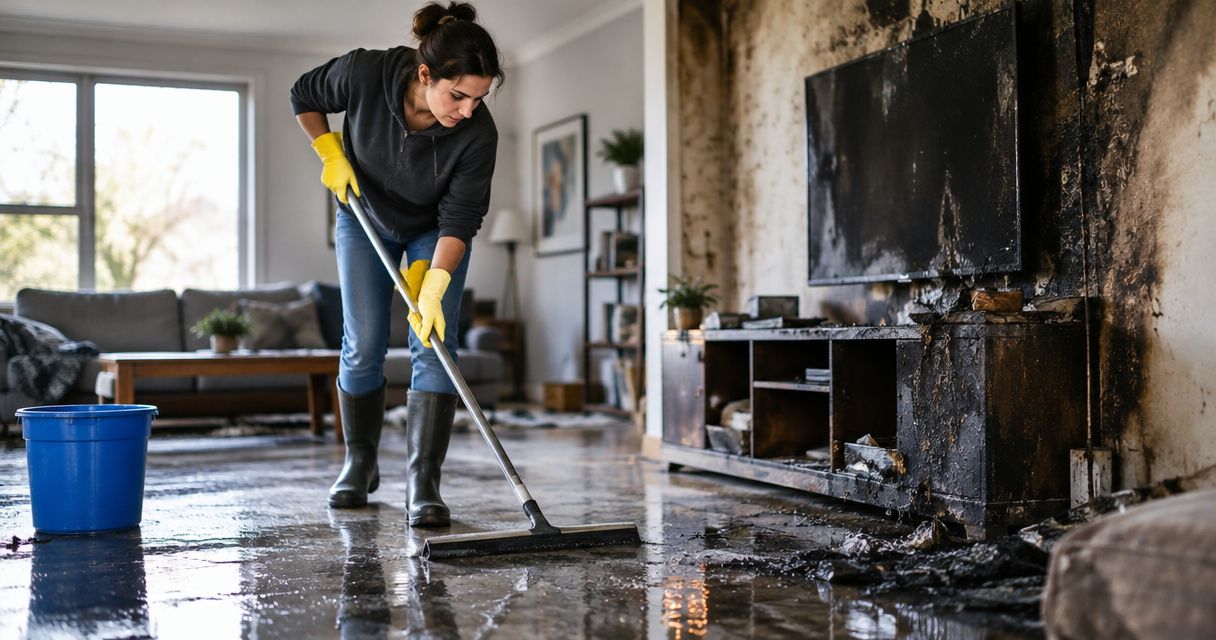
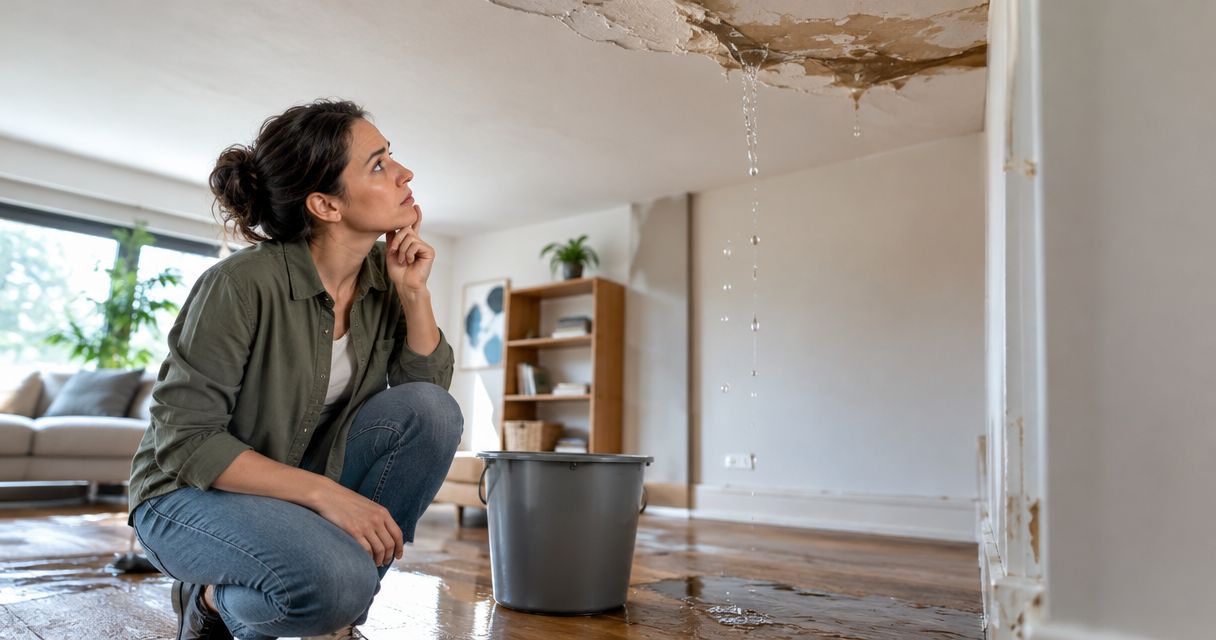
For an Escondido property owner in 2026, the first decision is whether water is still entering the building. The U.S. Environmental Protection Agency advises drying wet materials within 24 to 48 hours to help prevent mold growth. That guidance makes a current leak or recent water event a different hiring decision from an old stain in a dry room.
The EPA also says a small mold area of less than about 10 square feet can often be cleaned by the property owner, while larger areas call for its more detailed guidance. That is a general decision point, not a diagnosis of your property. If sewage, extensive water damage, or hidden growth is involved, define the scope before treating the visible patch as the whole problem.
What makes the best mold remediation option in Escondido?
Use these criteria before comparing names. A provider that sounds right for one stage can be the wrong first call for another.
- A defined job: Ask whether the provider assesses suspected mold, removes affected material, dries water damage, or offers a combination. Get the answer for your specific property.
- A moisture-source plan: Mold cleanup does not resolve a leak. Identify who will address the water source and what happens if that work requires another trade.
- A written scope: Look for affected areas, proposed work, exclusions, and how changes will be handled. A general promise to clean up is not a substitute.
- A containment plan: If removal will disturb affected material, ask how the work area and nearby rooms will be protected.
- A completion standard: Ask what the provider will check before calling the job finished and whether anyone independent will assess the result.
- Credentials tied to the work: Ask which qualifications apply to mold assessment or removal. A general cleanup credential does not, by itself, establish the scope of a mold service.
Escondido options at a glance
| Option | Best for | Standout feature | Key limitation |
|---|---|---|---|
| Firewaterdamage | Urgent water-damage cleanup | Stated 24/7 emergency response and IICRC-certified cleanup crews | Mold assessment and removal services are not confirmed in the supplied information |
| Independent mold assessor | Defining a suspected mold problem | Assessment separate from the removal decision | Does not necessarily stop an active leak or perform cleanup |
| Contractor with a written mold-removal scope | Carrying out confirmed removal | A job-specific plan for the affected area | Qualifications and proposed methods must be checked provider by provider |
These are service routes, not three verified local company listings. Firewaterdamage is the only named business supported here. The other rows describe the kinds of providers to compare; they do not imply that a particular Escondido firm has been checked or endorsed.
1. Firewaterdamage: best for urgent water-damage cleanup
Firewaterdamage is a fire and water damage restoration company serving homeowners and property owners in Escondido, Temecula, North County San Diego, and the Inland Empire. Its stated services include 24/7 emergency response and IICRC-certified cleanup crews. Those facts support considering it when an active water problem or recently wet area needs attention; they do not establish that it offers mold assessment or mold removal.
Firewaterdamage pros:
- States that emergency response is available 24/7.
- States that its cleanup crews are IICRC-certified.
- Identifies Escondido among the areas it serves.
Firewaterdamage cons:
- The supplied description does not confirm mold-removal services.
- The supplied description does not confirm independent mold assessment.
- A water-damage response alone does not establish what will happen to an existing mold problem.
Best for: An Escondido property owner who needs to address recent water damage and will verify any mold-related work separately.
Verdict: Choose Firewaterdamage for its stated water-damage response; hold the mold-remediation decision until its scope is confirmed. In 2026, ask directly whether the crew will assess suspected growth, remove affected material, or refer that work elsewhere. Request the proposed work in writing so that water cleanup and mold removal do not get treated as interchangeable terms.
If the water source is still active, arrange for it to be stopped. Ask who is responsible for that step rather than assuming it is included in restoration work. If the source has already been fixed, explain what got wet, when you noticed it, and whether the area has dried. Those facts give a provider a clearer starting point than a description such as a musty room.
2. Independent mold assessor: best for defining the problem
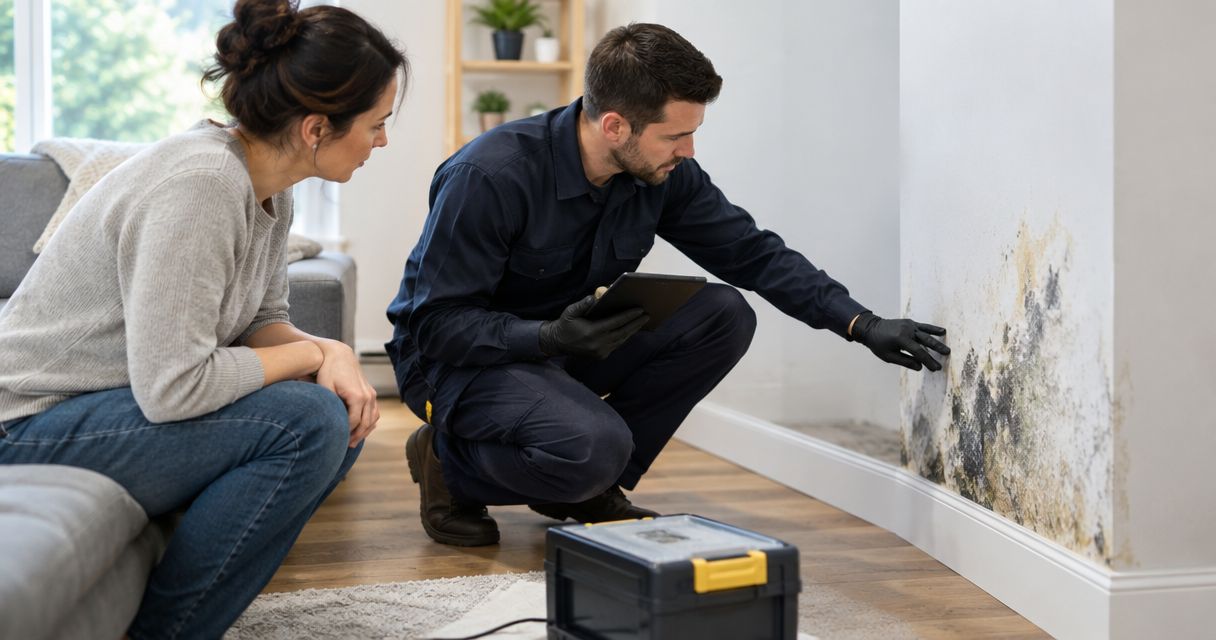
An independent assessor is the better route when you need a separate assessment before deciding what to remove. Ask for a written description of the areas inspected, the findings, any limits on the inspection, and recommended next steps. Independence matters when you want the assessment and the removal proposal evaluated as separate decisions.
Independent mold assessor pros:
- Can define an assessment scope before removal work is proposed.
- Gives you a document to discuss with prospective removal contractors.
- Separates the assessment decision from the contractor selection decision.
Independent mold assessor cons:
- An assessment does not stop a leak or dry newly wet materials.
- An inspection can have access limits; ask what was not examined.
- You still need to choose a provider for any work the findings call for.
Best for: A property owner with a suspected or recurring problem who needs to know what work to request.
Verdict: Choose an independent assessor when the problem is unclear; do not wait for an assessment to address an active water source. In 2026, ask the assessor to distinguish observed conditions from areas that could not be inspected. That distinction helps you compare contractor proposals without treating an uninspected space as cleared.
An assessor is not automatically the first call for every mark on a wall. If material is currently wet, deal with the water event. If a visible area remains after the source is fixed, an assessment can help define what needs further attention. State the problem you need answered when you book, so the resulting document is useful for the next decision.
3. Mold-removal contractor: best for a confirmed removal scope
When affected materials require removal, choose a contractor based on the written plan for your property, not a claim to handle any mold problem. The plan should identify the work area, the materials involved, how the space will be separated during work, and what completion means. Ask who will handle work outside that scope.
Mold-removal contractor pros:
- Can propose work tied to a defined affected area.
- Can explain how removal and containment will be carried out.
- Gives you a scope you can compare with an assessment and other proposals.
Mold-removal contractor cons:
- The title alone does not verify a particular contractor’s qualifications.
- A removal proposal can leave the moisture source outside its scope.
- Different scopes are difficult to compare unless exclusions and completion checks are explicit.
Best for: A property owner with an established removal need and a written scope to review.
Verdict: Choose a removal contractor only after the water source and proposed scope are clear. In 2026, ask what will be removed, what will remain, and who will check the result. Do not accept a proposal that addresses a stain without explaining the underlying moisture problem.
A larger quote is not necessarily a broader scope, and a shorter proposal is not necessarily a simpler job. Read the work descriptions side by side. If one provider proposes removal and another proposes surface cleaning, ask each to explain the difference in affected material, not just the difference in wording.
How to choose the right first call
Start with the condition of the property, then choose the service. This sequence prevents an assessment from delaying urgent water cleanup and prevents urgent cleanup from being mistaken for a complete mold-removal plan.
- Stop the source. If water is still entering, identify who will stop it and keep the area from getting wetter. Restoration work and the repair that stops a leak are separate questions unless a provider explicitly includes both.
- Document damage. Note the affected rooms, visible changes, and when you first noticed them. Keep your description factual; you do not need to diagnose what is behind a wall.
- Define the scope. Ask whether the next job is water cleanup, mold assessment, removal, or a combination. Get each provider to state its part in writing.
- Check completion. Before work starts, ask what will be checked at the end and who is responsible for any remaining moisture-source issue.
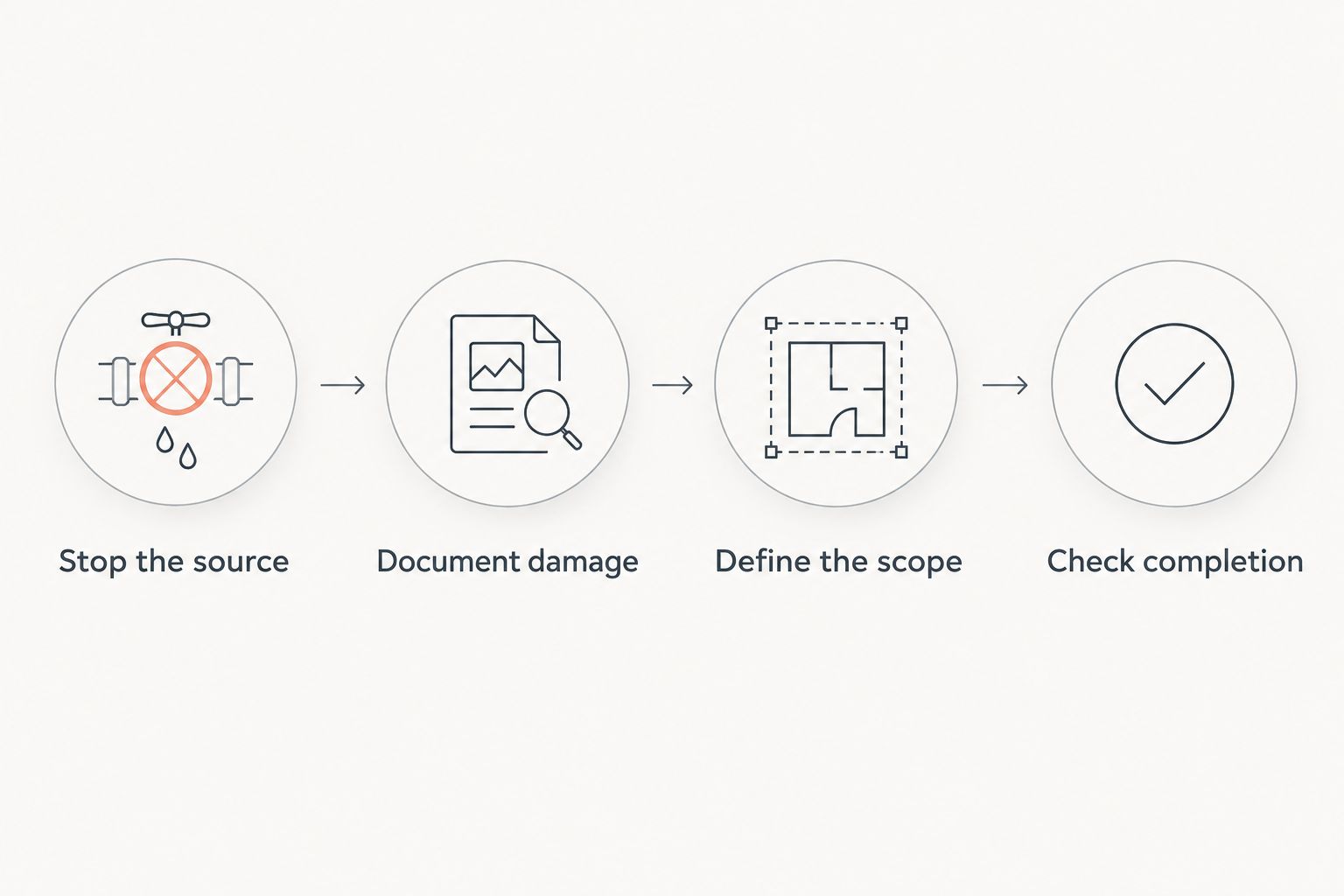
The EPA’s 24-to-48-hour drying guidance explains why this order matters after a water event. An inspection can help define an uncertain problem, but it cannot replace action on materials that are still wet. For an older, apparently dry concern, a written assessment can come before a removal proposal.
How these options were ranked
This ranking prioritizes the first useful action, not an unsupported claim about which Escondido company removes mold best. Firewaterdamage comes first for urgent water-damage cleanup because its stated 24/7 response and Escondido service area match that situation. Independent assessment comes next for an uncertain problem; a removal contractor follows when there is a removal scope to evaluate.
No competitor names, inspection results, local review scores, or verified mold-removal credentials were supplied. That limits the company-specific verdict: Firewaterdamage is a named water-damage restoration option, while the assessor and removal contractor are provider types. A list of invented local businesses would make this comparison less useful, not more.
For a 2026 shortlist, apply the same questions to every provider you contact. What work will it perform? What work is excluded? Who addresses the water source? What written record will you receive when the job is complete? The answers let you compare actual proposals instead of job titles.
Which mold remediation option should you choose?
If the property is still wet, start with water-damage response and confirm any mold work separately. Firewaterdamage is the named option here for that first step in Escondido. Its stated IICRC-certified crews and 24/7 emergency response are relevant to cleanup, but neither fact confirms a mold-removal service.
If the source is no longer active and the extent of the problem is uncertain, choose an independent assessment. You need a defined problem before you can judge a proposed fix. Ask the assessor to record inspection limits as well as findings.
If removal is already defined, choose a contractor with a written, property-specific scope. Confirm how that contractor will address affected material, protect adjacent areas, and establish completion. Keep the moisture-source plan alongside the removal plan; one does not substitute for the other.
FAQ
What is the best mold remediation company in Escondido in 2026?
There is not enough verified company-specific information here to name a best mold-removal contractor. Firewaterdamage is the named option for 24/7 water-damage response in Escondido, but its mold-removal scope must be confirmed.
Does Firewaterdamage provide mold remediation?
Mold remediation is not confirmed in Firewaterdamage’s supplied service description. The description confirms fire and water damage restoration, 24/7 emergency response, and IICRC-certified cleanup crews; ask what mold-related work it performs.
Should I call a water-damage company or a mold assessor first?
Address an active water source and wet materials first. If the area is no longer getting wet but the extent of a suspected mold problem is unclear, an independent assessor can help define the next job.
Is an IICRC-certified cleanup crew the same as a mold-removal service?
No. A stated cleanup credential does not, by itself, confirm which mold-assessment or removal tasks a company offers. Ask for the specific work and qualifications that apply to your property.
What should a mold-removal proposal include?
A mold-removal proposal should define the affected area, proposed work, exclusions, containment approach, and completion checks. It should also make clear who will address the moisture source.
How quickly should wet materials be dried to help prevent mold?
The U.S. Environmental Protection Agency advises drying wet materials within 24 to 48 hours to help prevent mold growth. That guidance makes a current water event a prompt cleanup decision, not a reason to wait for visible mold.
Can I clean a small mold area myself?
The EPA says an area smaller than about 10 square feet can often be cleaned by the property owner. Its guidance calls for more care with larger areas and circumstances such as sewage or extensive water damage.
One last thing
The most useful question is not simply which company says it handles mold. Ask who owns each part of the job: stopping water, assessing the affected area, removing material, and checking completion. In 2026, that written division of work is the clearest way to avoid paying for cleanup while leaving the cause unresolved.