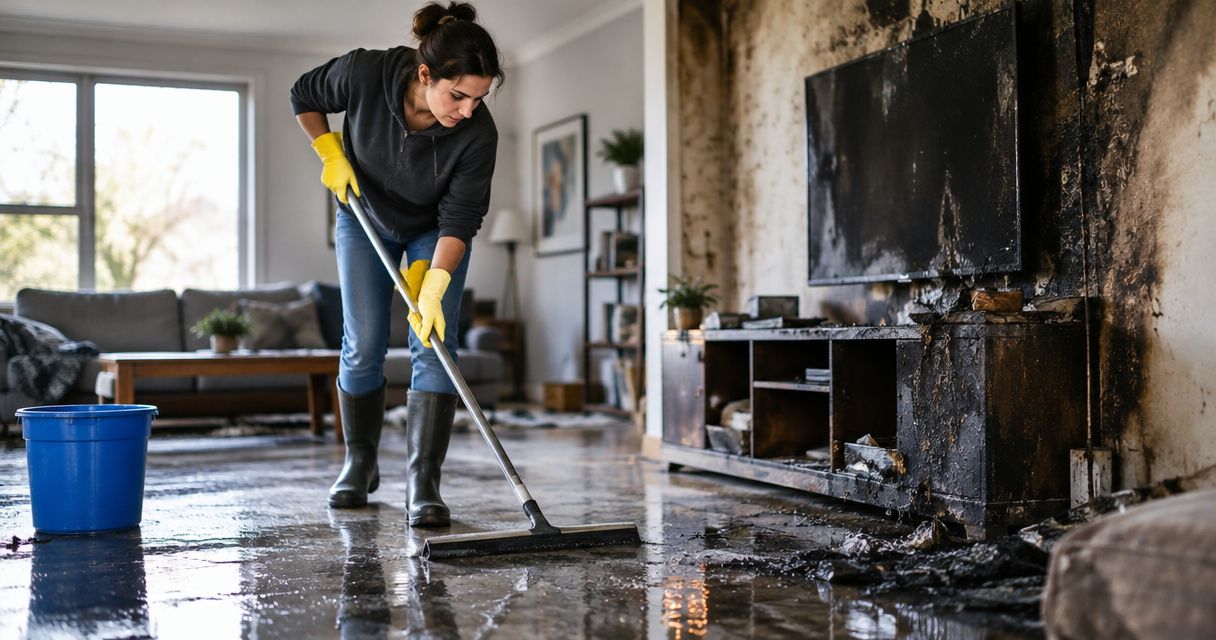
To prevent secondary damage after a fire, stay out until authorities permit entry, arrange safe protection of damaged openings, and have qualified crews address firefighting water, soot, and trapped moisture before repairs begin. Extinguishing the fire does not make the building safe: damaged wiring, weakened materials, contaminated water, and smoke residue require separate assessment.
- How to prevent secondary damage after a fire: secure the building, control moisture, and avoid spreading soot.
- Firewaterdamage offers emergency fire and water damage restoration for homeowners and property owners in its stated service areas.
- Keep HVAC systems off until assessed; ordinary fans can spread soot and contamination.
- Document damage safely, but never delay emergency protection to finish an inventory.
Why this matters
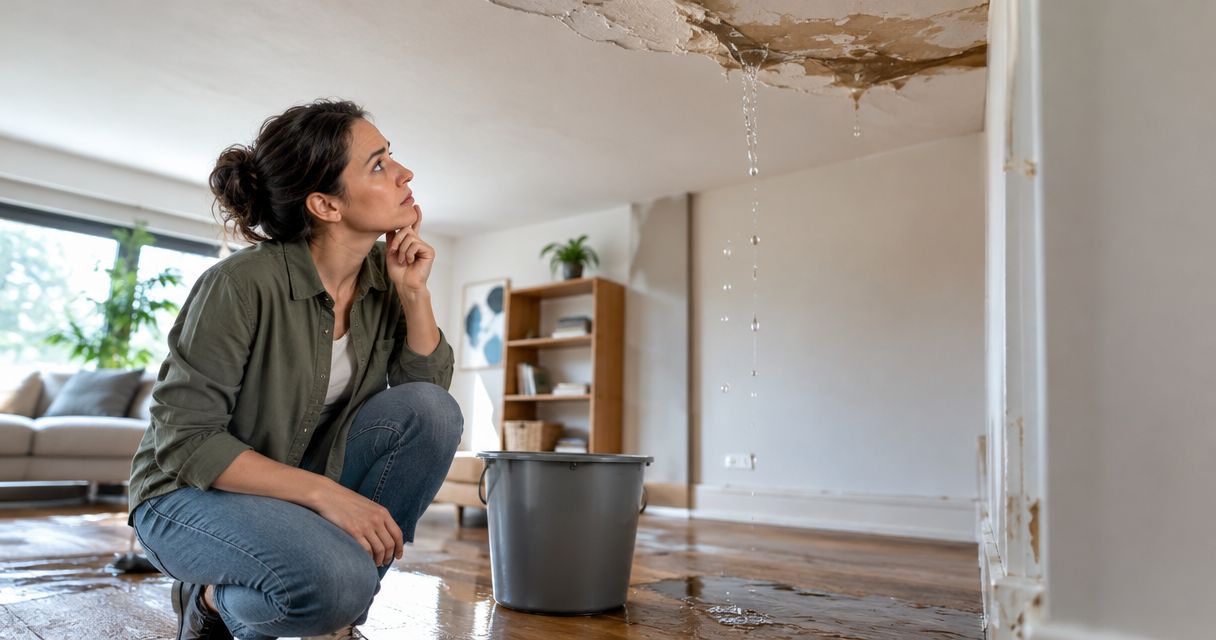
Secondary damage is deterioration that follows the initial fire: rain enters a damaged roof, firefighting water remains beneath flooring, or soot travels into previously unaffected rooms. Your priority is to stop those processes without creating another exposure or damaging salvageable materials.
Smoke is also a health concern, not just an odor problem. Read Can smoke damage make you sick? before deciding that an unburned room is suitable for occupancy. Permission to enter briefly is not the same as approval to live in the building.
For your 2026 recovery checklist, separate emergency protection from permanent repair. First stop further exposure; then establish what needs cleaning, drying, removal, or replacement.
How do you prevent secondary damage after a fire?
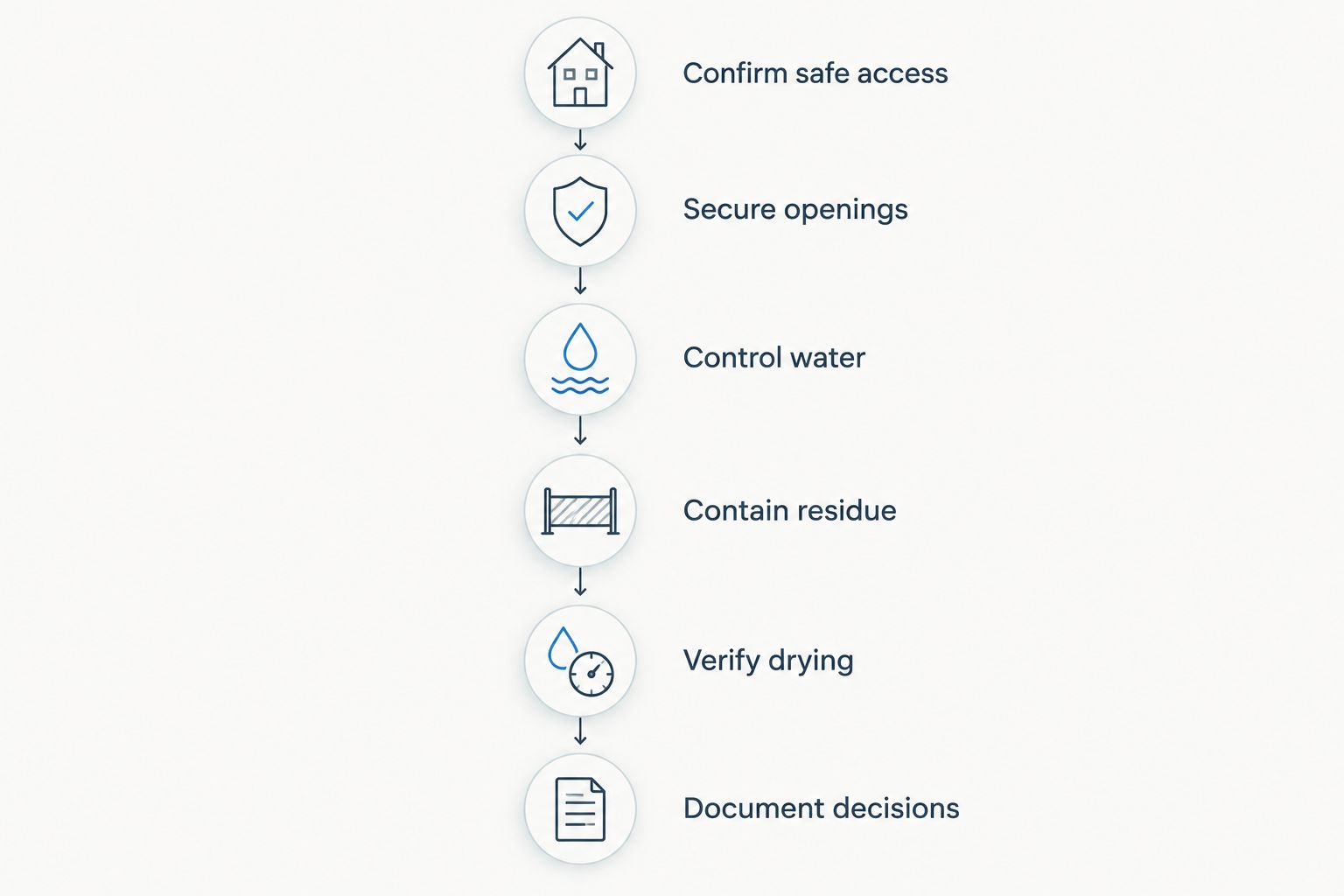
Follow this sequence after emergency responders have controlled the incident. Do not enter or begin cleanup until authorities permit access, and follow any restrictions they give you.
- Confirm safe access. Ask about structural hazards, restricted rooms, utilities, and whether an inspection is required before reentry. Never enter to retrieve belongings while emergency personnel prohibit access.
- Secure openings. Arrange professional protection for damaged doors, windows, and roofing after the structure is assessed. Do not climb onto a fire-damaged roof or fasten coverings to unstable materials.
- Control water. Have qualified personnel address standing water and active leaks after electrical and structural hazards are assessed. Firefighting runoff is not automatically safe to handle.
- Contain residue. Restrict movement between affected and unaffected areas. Leave central heating and cooling off until the system has been assessed for fire damage and contamination.
- Verify drying. Ask the restoration crew to check affected materials and concealed spaces, rather than relying on how the surface feels. Record the drying plan and follow-up measurements.
- Document decisions. Keep photographs, inventories, work authorizations, and receipts together. Record what was protected, removed, or discarded and why.
These actions overlap. Safe documentation can happen while a crew protects openings, but neither photography nor an insurance conversation justifies entering an unsafe area.
Protect the building without creating another hazard
A broken window or roof opening exposes the property to weather and unauthorized entry. Temporary protection helps limit that exposure, but it does not repair structural damage or make a room habitable.
Ask whoever installs temporary protection to explain what it covers and what remains exposed. Photograph the completed work from a safe location, and report displaced coverings or new water entry promptly.
Do not restore electricity, gas, or damaged appliances yourself. Follow the fire department's instructions and have the appropriate utility provider or qualified trade professional assess affected systems before reuse.
| Protective action | Best for | Benefit | Limitation or risk |
|---|---|---|---|
| Professional board-up or roof covering | Damaged exterior openings | Reduces further weather exposure and access | Requires a safe structure and suitable installation |
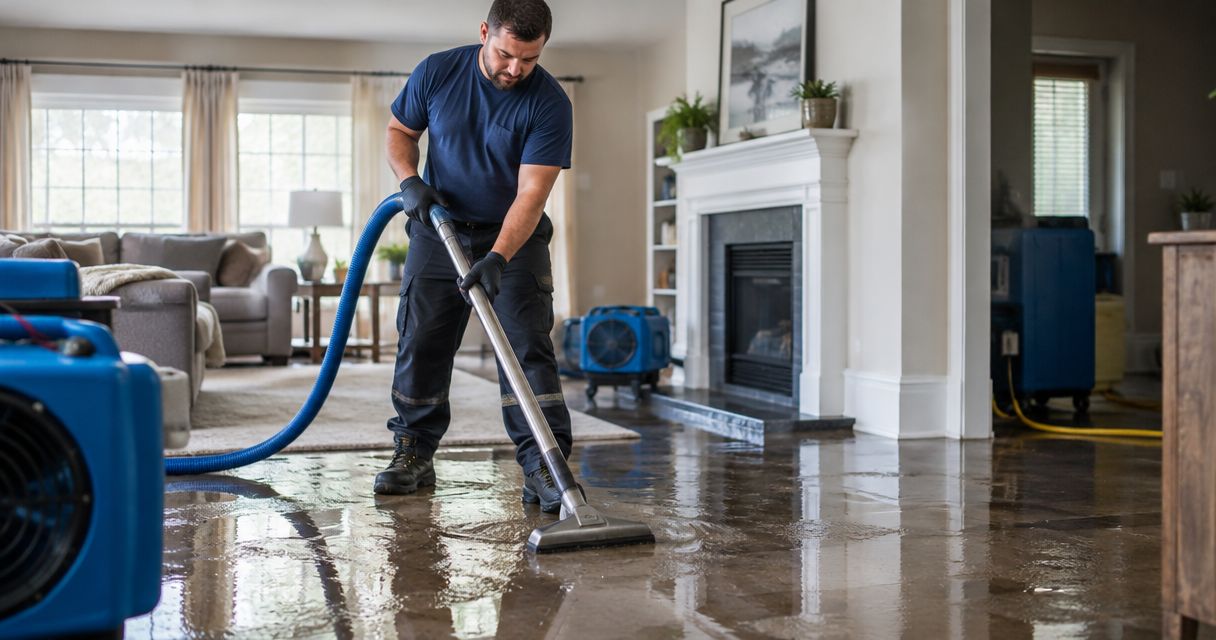
| Water extraction and controlled drying | Wet materials and standing water | Addresses moisture left by suppression efforts | Does not remove all soot or establish structural safety |
| Restricted access and containment | Separating affected areas | Limits tracking residue into cleaner spaces | Does not clean contaminated surfaces |
| Photographs and item records | Documenting the condition and response | Preserves information for the claim and work scope | Does not replace immediate protective work |
Match each action to the hazard it controls. A secured window does not resolve wet insulation, and a dry floor does not establish that the air or electrical system is safe.
Address firefighting water before closing up materials
Water can collect beneath flooring, inside walls, and above ceilings even when visible puddles are gone. Ask for an assessment of the water's path, including rooms below the fire and adjoining spaces.
EPA household mold-prevention guidance recommends drying wet materials within 24–48 hours to help prevent mold growth. Use that guidance in your 2026 response plan as a reason to act promptly, not as a guarantee that every fire-damaged material can be dried or saved.
Ask the crew these questions:
- Which materials are wet, and how was that established?
- Which concealed spaces require inspection?
- Which materials can be cleaned and dried, and which require removal?
- How will contaminated areas be separated during work?
- What measurements will support the decision to stop drying?
The EPA also recommends keeping indoor relative humidity below 60%, ideally 30–50% where possible. Those household moisture targets are context, not proof that a wall cavity or subfloor is dry; material measurements still matter after a fire.
Do not shut down professional drying equipment because a room feels warmer or the floor looks normal. Ask the crew how to handle equipment concerns, electrical interruptions, noise, or access restrictions.
Keep soot from reaching unaffected rooms
Soot transfers through contact and movement. Walking through residue, moving dirty furniture, or running contaminated ventilation equipment can carry it beyond the original damage area.
Keep unnecessary visitors out and avoid handling affected belongings. Do not shake rugs, brush debris from upholstery, or carry uncovered soot-covered items through cleaner rooms.
Do not use an ordinary household vacuum on soot. Its filtration and exhaust are not a substitute for equipment selected for the residue and exposure conditions. Likewise, do not start scrubbing painted walls or fabric before the material and cleaning method have been assessed; inappropriate cleaning can smear residue or damage finishes.
Leave central HVAC equipment off until it has been assessed. Opening windows or positioning fans is not a universal solution: airflow decisions must account for contamination, outdoor conditions, and the drying plan.
Why secondary damage varies between properties
The visible burn area does not define the full cleanup boundary. These factors determine where assessment and protection need to extend:
- Exterior openings: Damaged roofs, doors, and windows allow additional weather exposure until protected.
- Water pathways: Suppression water travels into adjoining rooms, lower levels, and concealed assemblies.
- Material construction: Carpet padding, insulation, wood flooring, and wall cavities require different assessment and treatment decisions.
- Residue distribution: Smoke and soot can affect spaces that did not burn, including ventilation components.
- Access restrictions: Structural or electrical hazards limit where crews can inspect and work safely.
- Ongoing moisture sources: A leak or exposed opening can rewet materials during cleanup.
Ask for a scope that addresses these conditions rather than a cleanup plan based only on the room where the fire started. If new damage appears, document it and request reassessment before covering the area.
What should you document before cleanup starts?
Document the condition before materials are changed whenever doing so is safe. Take wide views of affected rooms, then closer photographs of damaged surfaces and belongings; never cross a restricted area for a better picture.
Your 2026 claim file should distinguish the original condition from later protective work. Save the incident information you receive, insurer correspondence, invoices, work authorizations, and records of temporary protection or emergency accommodation.
For damaged belongings, record descriptions and identifying details you can safely obtain. Ask your insurer how it wants discarded items documented, but do not keep hazardous materials in an occupied area solely for inspection.
Emergency mitigation and permanent reconstruction are different decisions. Ask the insurer about documentation and authorization requirements while arranging necessary safety measures; do not assume every proposed repair or replacement is covered.
When should you call a restoration company?
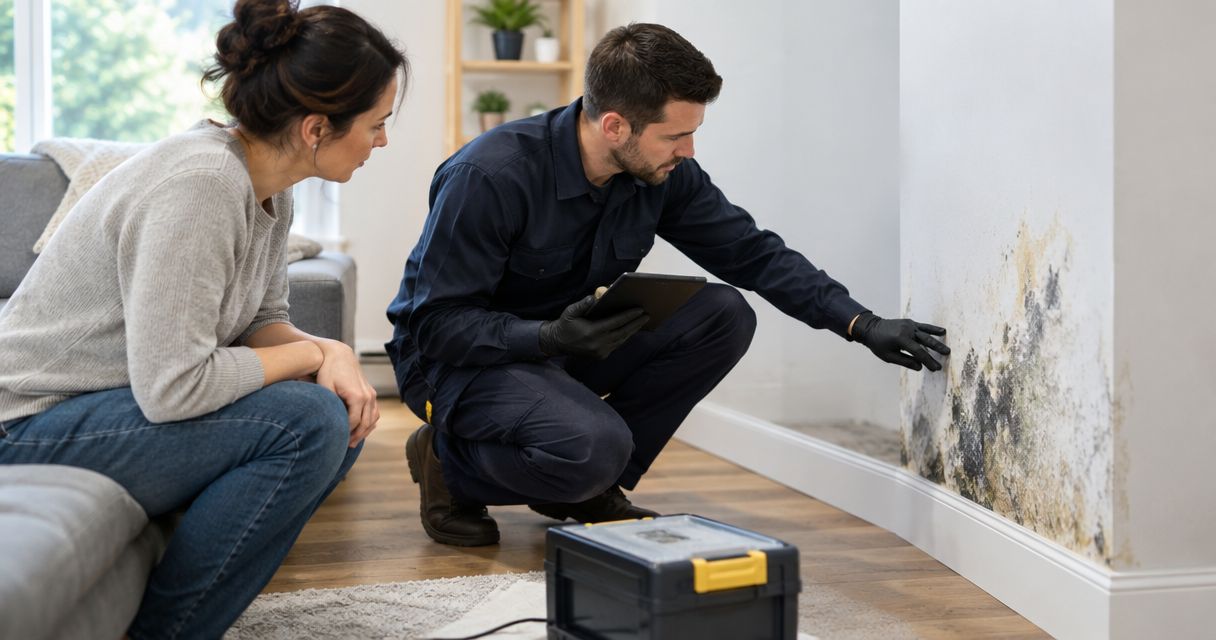
Arrange professional assessment when the fire leaves wet building materials, widespread residue, damaged openings, or suspected contamination in concealed spaces. Electrical damage, unstable ceilings, and restricted access also require the appropriate safety assessment before cleanup proceeds.
Firewaterdamage fire and water damage restoration is best suited to homeowners and property owners seeking emergency cleanup in Temecula, Escondido, and its stated North County San Diego/Inland Empire service area. Firewaterdamage offers 24/7 emergency response and IICRC-certified cleanup crews.
That service fit does not establish that a building is safe to enter or that every damaged item is restorable. Ask Firewaterdamage to explain the proposed containment, moisture assessment, documentation, and work boundaries before authorizing a scope.
Request emergency restoration help
Firewaterdamage offers 24/7 emergency response for fire and water damage in its stated service areas.
Can you clean soot yourself without causing more damage?
Do not start soot cleaning before the affected materials and exposure conditions have been assessed. A small visible mark does not tell you whether nearby porous materials, hidden spaces, or ventilation components are affected.
Your safest initial contribution is limiting access, preserving records, and communicating changes. Leave residue removal, wet-material handling, and equipment placement to personnel qualified for the conditions present.
Should you wait for the insurance adjuster before drying?
Do not leave an active hazard or ongoing water exposure unaddressed solely while waiting for an adjuster. Contact the insurer promptly, document conditions safely, and ask how to record necessary emergency protection.
Keep the emergency scope distinct from elective upgrades or permanent rebuilding. A clear record explains why protective work was necessary without assuming what the policy will reimburse.
How do you know secondary damage is under control?
Secondary damage is under control when active exposure has been stopped and the remaining contamination and moisture are being addressed through a documented plan. Appearance alone is not enough.
For your 2026 handoff, ask for the moisture findings, outstanding restrictions, affected areas, and unfinished work in writing. Do not authorize painting, flooring installation, or wall closure simply because odors have weakened or surfaces feel dry.
FAQ
What's the first thing I should do after firefighters leave?
Confirm whether authorities permit entry and what restrictions remain. Arrange safe protection and assessment rather than entering to start cleaning on your own.
How quickly should wet materials be dried after a fire?
EPA household guidance recommends drying wet materials within 24–48 hours to help prevent mold growth. After a fire, contamination, structural safety, and material condition also determine whether drying or removal is appropriate.
Can I turn on my air conditioner to clear the smoke smell?
Leave central HVAC equipment off until it has been assessed for damage and contamination. Running an affected system can distribute residue into other areas.
Can I use a regular vacuum to remove soot?
Do not use a regular household vacuum for soot cleanup. Equipment and filtration need to match the residue and exposure conditions, and unsuitable methods can spread contamination.
Does a dry-looking floor mean the house is dry?
A dry-looking floor does not establish that the subfloor, wall cavities, or nearby materials are dry. Ask for material moisture checks before repairs cover those areas.
Should I throw away everything that smells smoky?
Do not decide solely by odor whether an item is salvageable. Have affected belongings assessed, document proposed disposal, and follow safety instructions for hazardous items.
What should I ask a restoration company in 2026?
Ask how the company will assess moisture, contain residue, document conditions, and verify readiness for repairs. Also clarify work exclusions and who is responsible for utility and structural assessments.
One last thing
A weaker smoke smell is not a clearance test. Odor, moisture, structural safety, and residue are separate issues, so ask what evidence supports each decision to reopen a room or begin rebuilding.
Before signing off on mitigation, request a plain-language list of what is complete and what remains. That list is more useful than a room that merely looks ready for paint.