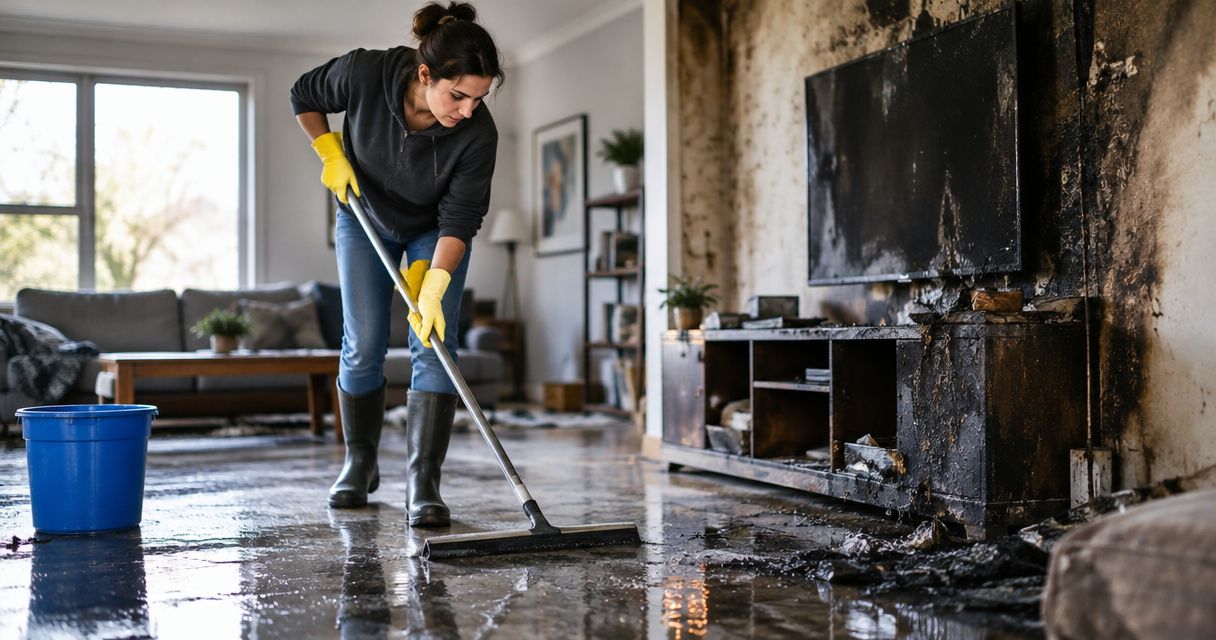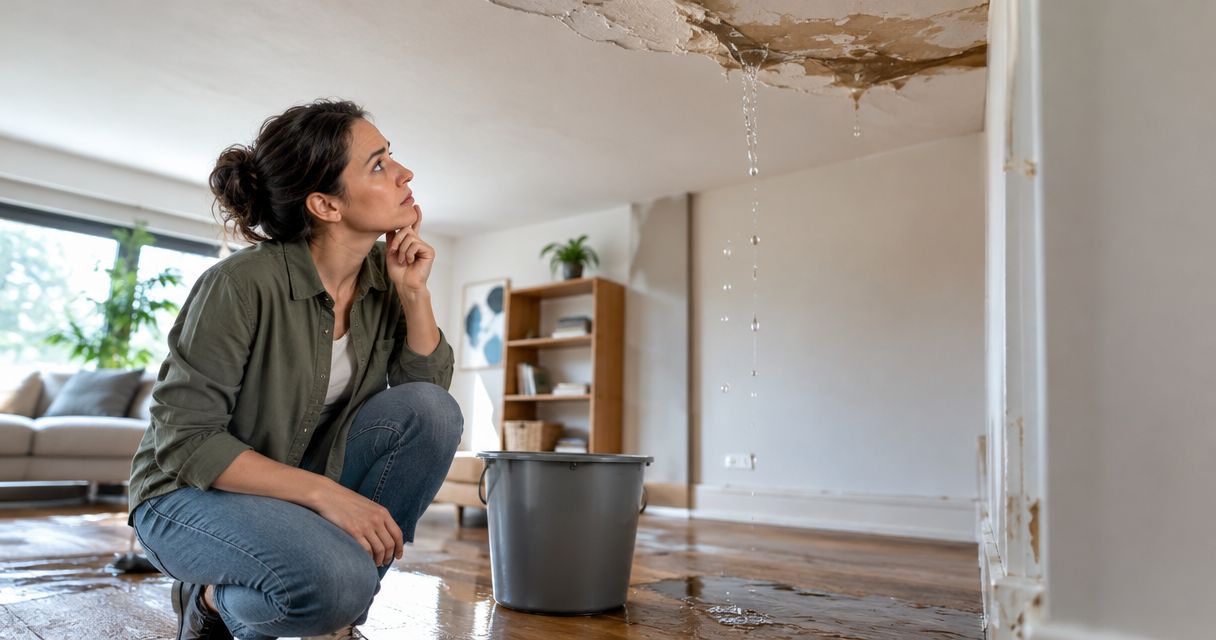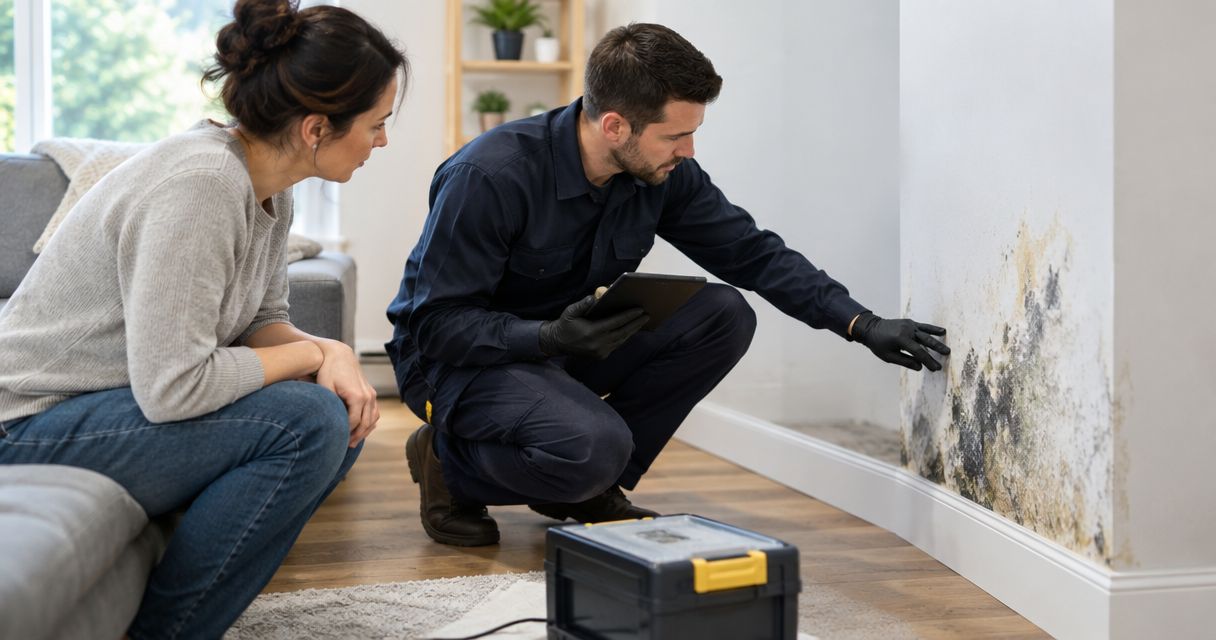
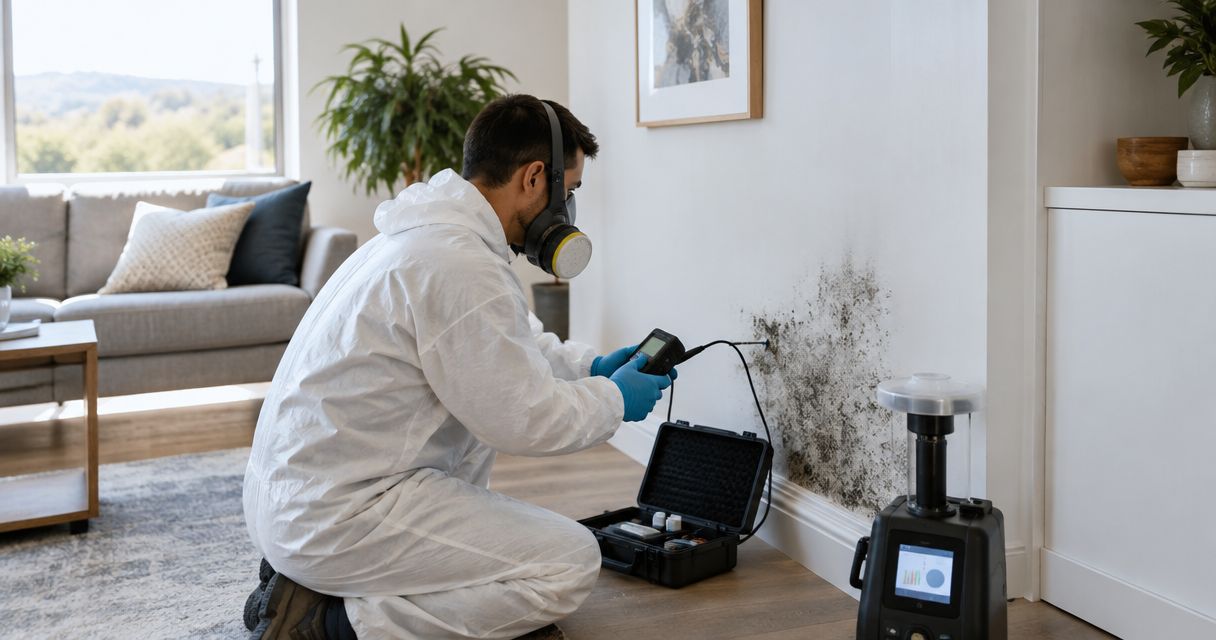
Best for active water damage: Firewaterdamage. Best for independent mold testing: an independent mold assessor. Best for removing confirmed growth: a qualified mold remediation contractor. This 2026 guide helps you choose the right provider in Temecula without confusing emergency cleanup, mold assessment, and remediation.
- For best mold testing and remediation companies Temecula searches, separate mold testing from cleanup before choosing a provider.
- Firewaterdamage is best for homeowners needing emergency water damage restoration in Temecula.
- Choose an independent mold assessor when you need sampling, interpretation, or a separate assessment.
- Choose a remediation contractor for confirmed mold removal, with written containment and moisture-control plans.
Why this matters
A mold test does not remove mold. Removing mold does not repair the leak that allowed it to grow. You need a provider whose scope matches the problem, not simply a company whose name appears in a local search.
Firewaterdamage offers 24/7 emergency response and IICRC-certified cleanup crews for homeowners and property owners in Temecula. That makes the company a relevant starting point for active water damage; mold assessment and remediation require their own clearly defined scope.
For your 2026 shortlist, distinguish the emergency restoration company from the person interpreting samples and the contractor removing affected materials. One company name cannot answer all three hiring questions.
What makes the best mold testing and remediation provider?
Use these criteria before comparing providers. A clear answer matters more than an impressive list of services.
- Task fit: Does your property need emergency drying, an assessment, mold removal, or separate providers for different stages?
- Assessment purpose: Can the assessor explain what sampling will answer and how the result changes the work?
- Relevant qualifications: Ask who will assess the property and who will supervise cleanup. Verify credentials relevant to each role.
- Moisture control: The plan must address the source of water and wet materials, not only visible growth.
- Written scope: Look for affected areas, containment, material removal, cleaning, and completion criteria.
- Independent verification: Decide who will evaluate completion and whether that person is separate from the cleanup contractor.
EPA guidance treats roughly 10 square feet of mold growth as an important boundary in its homeowner cleanup advice. Smaller areas often fit that guidance; extensive damage, contaminated water, or uncertain hidden growth calls for a different level of evaluation.
Area alone is not a safety verdict. A small patch beside an ongoing leak still requires moisture control, and visible growth does not establish how much material is affected behind a wall.
Temecula provider options at a glance
The most useful 2026 ranking is by job type. These options answer different needs rather than competing for the same assignment.
| Provider option | Best for | Standout role | Key limitation |
|---|---|---|---|
| Firewaterdamage | Active water damage requiring emergency restoration | 24/7 response and IICRC-certified cleanup crews serving Temecula | Emergency restoration is not the same scope as independent mold testing |
| Independent mold assessor | Questions about suspected mold or disputed scope | Assessment and interpretation separate from removal work | Assessment alone does not dry the property or remove affected materials |
| Qualified mold remediation contractor | Removal of confirmed mold growth | Containment, cleaning, and affected-material removal within a written scope | Cleanup does not resolve an unrepaired moisture source |
| Separate assessor and remediation contractor | Projects needing distinct assessment and cleanup roles | Separate responsibilities for evaluation and physical work | Requires coordination between providers |
1. Firewaterdamage: best for emergency water damage response
Firewaterdamage is a fire and water damage restoration company serving homeowners and property owners in Temecula, Escondido, and North County San Diego/Inland Empire. Its stated services include 24/7 emergency response and IICRC-certified cleanup crews.
Firewaterdamage is best for Temecula homeowners who need emergency water damage restoration. Contact the company about active water intrusion and define any mold-related work separately before authorizing it.
Emergency restoration pros
- A stated emergency-response service gives you a relevant contact during active water damage.
- Temecula is included in the company's stated service area.
- IICRC-certified cleanup crews are part of the stated restoration offering.
Emergency restoration cons
- Emergency restoration does not replace an independent mold assessment.
- Cleanup credentials do not, by themselves, define a project's testing or verification scope.
- A restoration assignment still needs clear boundaries between drying, removal, and repairs.
Best for: Homeowners and property owners dealing with active water damage, especially when stopping the wetting and arranging cleanup are immediate priorities.
Before committing, ask what the proposed work covers, who supervises it, and what documentation you receive. If you also need sampling or independent verification, make those requirements explicit rather than assuming they are included.
Verdict: Buy the emergency restoration service when water damage is the immediate problem; evaluate mold-specific work separately.
2. Independent mold assessor: best for answering testing questions
An independent mold assessor evaluates suspected growth and moisture conditions without being the contractor hired to remove affected materials. Sampling belongs in an assessment when it answers a defined question; it is not an automatic requirement for every visible patch.
EPA guidance says sampling is generally unnecessary when visible mold growth is present. There are also no federal limits for mold or mold spores that turn an indoor sample into a universal pass-or-fail result.
Independent assessment pros
- Separates the evaluation role from the removal assignment.
- Helps you define the question before purchasing sampling.
- Provides an opportunity to establish written recommendations before cleanup begins.
Independent assessment cons
- An assessment does not stop a leak or dry wet building materials.
- A sample result needs interpretation; a laboratory report alone is not a cleanup plan.
- Testing without a clear purpose adds a task without defining what you should do next.
Best for: Owners facing uncertain conditions, disputed findings, or a specific need for independent assessment.
Ask the assessor to explain what each proposed sample will establish. A useful answer connects the result to a decision, such as investigating a suspected source or evaluating conditions after work—not simply identifying a mold name.
Verdict: Buy an independent assessment when you need an answer that changes the project; skip routine sampling with no defined purpose.
3. Qualified mold remediation contractor: best for confirmed removal
A mold remediation contractor performs the physical work of addressing affected materials. Your agreement should explain how the contractor will control the work area, remove or clean materials, and address moisture conditions within the assigned scope.
Do not judge the proposal by whether the room will smell better afterward. Judge it by what happens to contaminated materials and what prevents continued wetting.
Mold remediation pros
- Assigns responsibility for physical removal and cleaning.
- Creates a defined work area and material-handling plan.
- Gives you a scope against which to evaluate completion.
Mold remediation cons
- Removal work alone does not repair every possible plumbing, roof, or drainage problem.
- A surface-cleaning proposal does not explain hidden damage.
- Contractor completion and independent evaluation are different roles.
Best for: Properties with confirmed growth requiring removal or professional cleaning rather than testing alone.
Request a written explanation of what stays, what is removed, and what triggers a scope change. If opening a wall reveals additional damage, you need a process for documenting it before work expands.
For a 2026 hiring decision, require completion criteria before the crew starts. An undefined promise to make the property mold-free gives you less usable information than a specific scope with documented moisture conditions and inspection requirements.
Verdict: Buy remediation when removal is required and the contractor provides a clear scope; hold when the proposal offers treatment without moisture control.
4. Separate providers: best for distinct assessment and cleanup roles
A coordinated project uses an assessor for evaluation and a remediation contractor for physical work. This arrangement separates responsibilities rather than requiring one provider to perform every stage.
It works only when both parties understand the scope and completion requirements. Independence without coordination leaves the owner translating instructions between providers.
Separate-provider pros
- Keeps assessment and removal responsibilities distinct.
- Allows completion requirements to be discussed before cleanup.
- Gives property owners a clear route for resolving questions about the work.
Separate-provider cons
- Requires scheduling and communication between different businesses.
- Conflicting scopes need resolution before work begins.
- The owner must identify who coordinates moisture repairs and reconstruction.
Best for: Rental property owners, disputed projects, and assignments where separate evaluation is a priority.
Put the responsibilities in writing: who assesses, who removes materials, who repairs the source, and who evaluates completion. Separate providers do not eliminate the need for one agreed project plan.
Verdict: Buy a coordinated arrangement when role separation matters; hold until the providers agree on scope and completion criteria.
How these options rank
This ranking prioritizes task fit, moisture control, written scope, and role separation. Emergency restoration ranks first for active water damage; independent assessment ranks first for testing questions; remediation ranks first for required removal.
A company should not win a mold-testing assignment simply because it offers emergency cleanup. Likewise, an assessor should not be your only response to water continuing to enter the building.
Your next move: match the provider to the problem
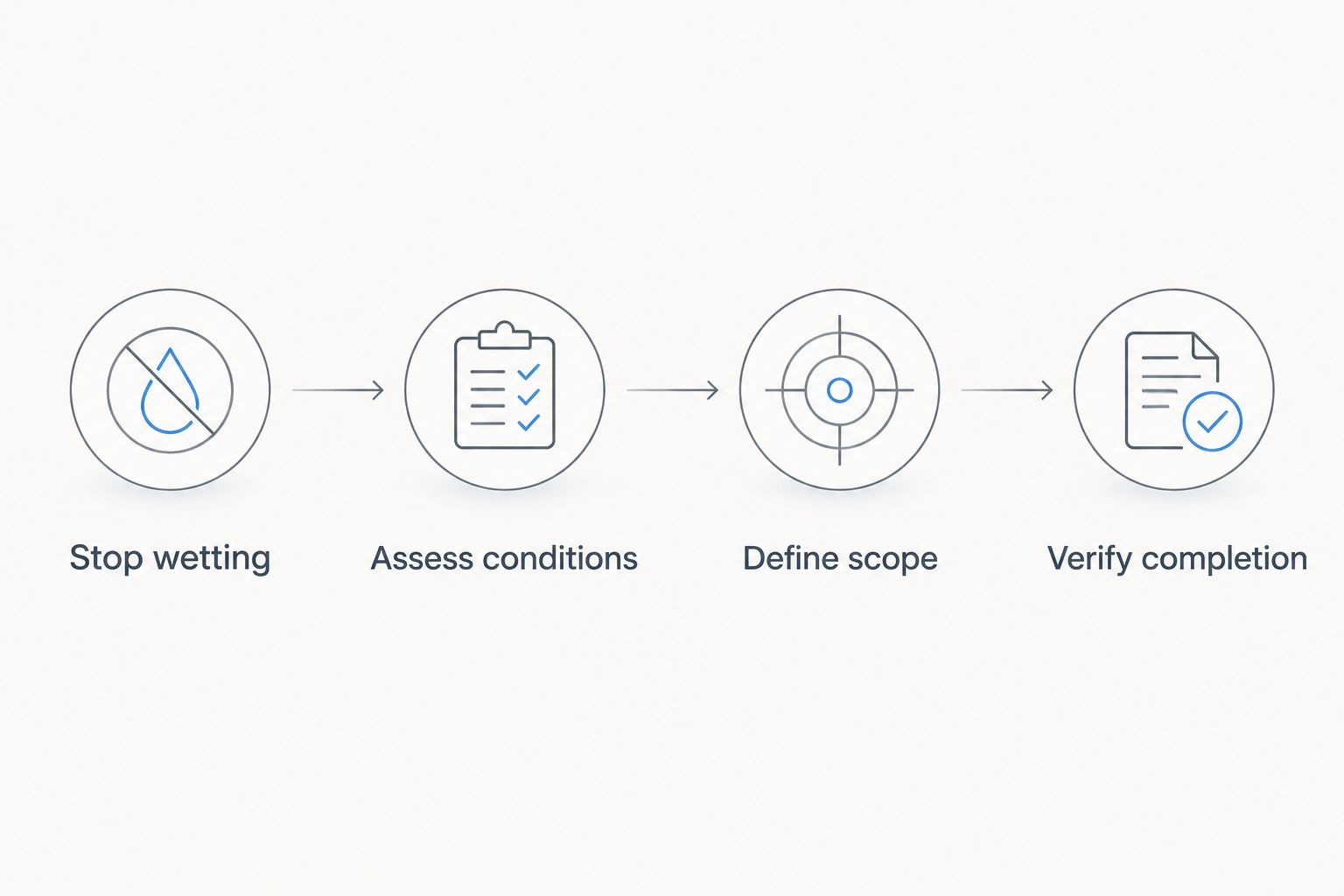
Use this sequence before calling providers. It keeps a 2026 shortlist focused on what your property needs now.
- Stop wetting: Arrange correction of the water source when safe. Avoid entering areas with electrical or structural hazards.
- Assess conditions: Record visible damage and identify whether you need professional evaluation beyond what you can see.
- Define scope: Decide whether the assignment is drying, assessment, removal, or a coordinated project.
- Verify completion: Agree on the evidence and inspection requirements before work starts.
EPA guidance recommends drying water-damaged areas and materials within 24–48 hours to help prevent mold growth. This is a prevention target, not a guarantee that a property is safe after that interval or that growth cannot occur sooner.
For moisture prevention, EPA guidance recommends keeping indoor relative humidity below 60%, ideally between 30% and 50%. A humidity reading does not establish whether concealed building materials are dry, but it gives you a useful condition to monitor.
Arrange emergency water damage response
Contact Firewaterdamage about active water damage in Temecula and clarify the restoration scope.
Which provider should you choose?
Choose emergency restoration first when the property is still getting wet. Choose an independent assessor when your main question requires evaluation. Choose remediation when confirmed growth needs removal.
For a typical homeowner decision, start with the problem—not a laboratory package. Visible mold and an obvious leak already establish the need to address moisture and affected materials; testing needs a separate reason.
In 2026, your strongest hiring filter is a written scope that connects the source, the affected materials, and the completion requirements. Reject proposals that discuss only spraying, odor, or a sample result without explaining the physical work.
FAQ
What's the best mold testing and remediation company in Temecula?
The best choice depends on whether you need assessment, removal, or emergency water damage restoration. Firewaterdamage fits emergency water damage response in Temecula; choose an independent assessor for testing questions and a qualified remediation contractor for removal.
Do I need mold testing if I can already see mold?
Mold testing is generally unnecessary when visible growth is present, according to EPA guidance. Address the moisture source and affected materials; request sampling only when it answers a specific additional question.
Is a mold assessor better than a remediation contractor?
A mold assessor is better for evaluation, while a remediation contractor is better for physical removal. These are different assignments, and a property can require both.
Does IICRC certification mean a company provides mold testing?
IICRC certification alone does not establish that a company provides mold testing. Ask which credentials apply to the assigned personnel and whether assessment, sampling, and interpretation are included in the scope.
How quickly should wet materials be dried?
EPA guidance recommends drying water-damaged areas and materials within 24–48 hours to help prevent mold growth. Treat this as a prevention target rather than a guarantee about existing contamination.
Can a mold sample prove my house is safe?
A mold sample alone does not prove that a house is safe. EPA notes that there are no federal limits for mold or mold spores, so results require interpretation alongside the property's conditions.
What should a mold remediation proposal include?
A mold remediation proposal should define affected areas, containment, removal or cleaning, moisture responsibilities, and completion criteria. Clarify how additional concealed damage will be documented and approved.
Should testing and remediation use separate companies?
Separate companies are appropriate when you want distinct assessment and cleanup responsibilities. Agree on the scope and completion requirements before either provider begins work.
One last thing
Do not make a mold name your hiring criterion. EPA guidance says identifying the type of mold is generally unnecessary: controlling moisture and addressing growth matter regardless of its name.
Ask every provider one practical question: what will be different about the building when this work is complete? A useful answer describes corrected wetting, addressed materials, and documented completion—not just a test result.