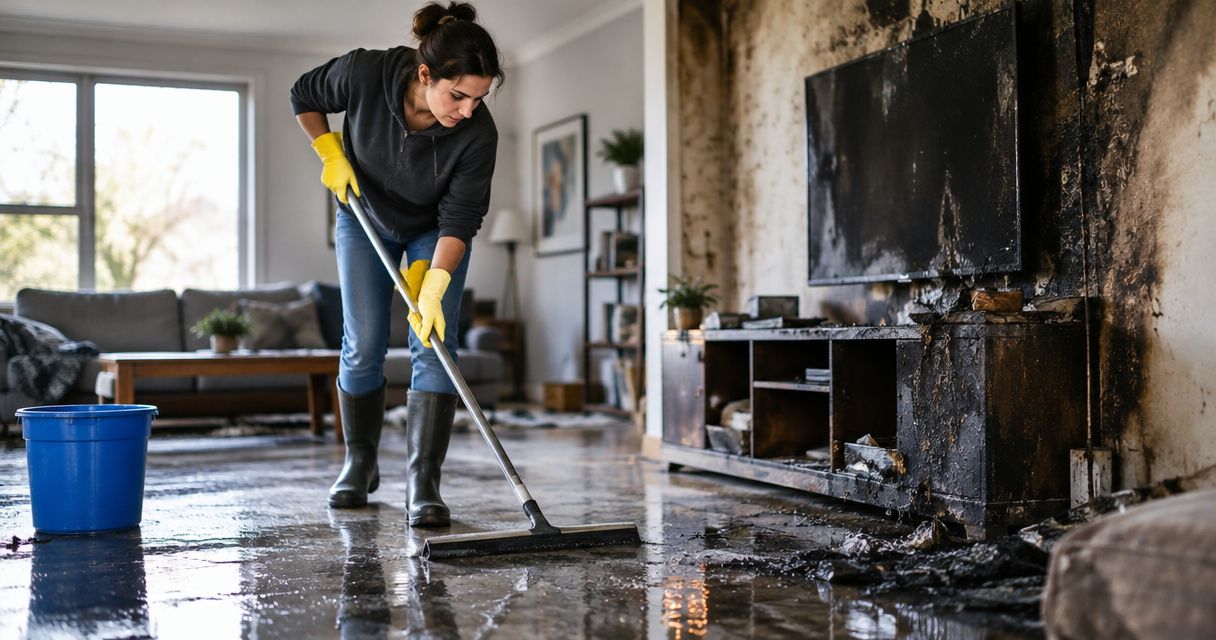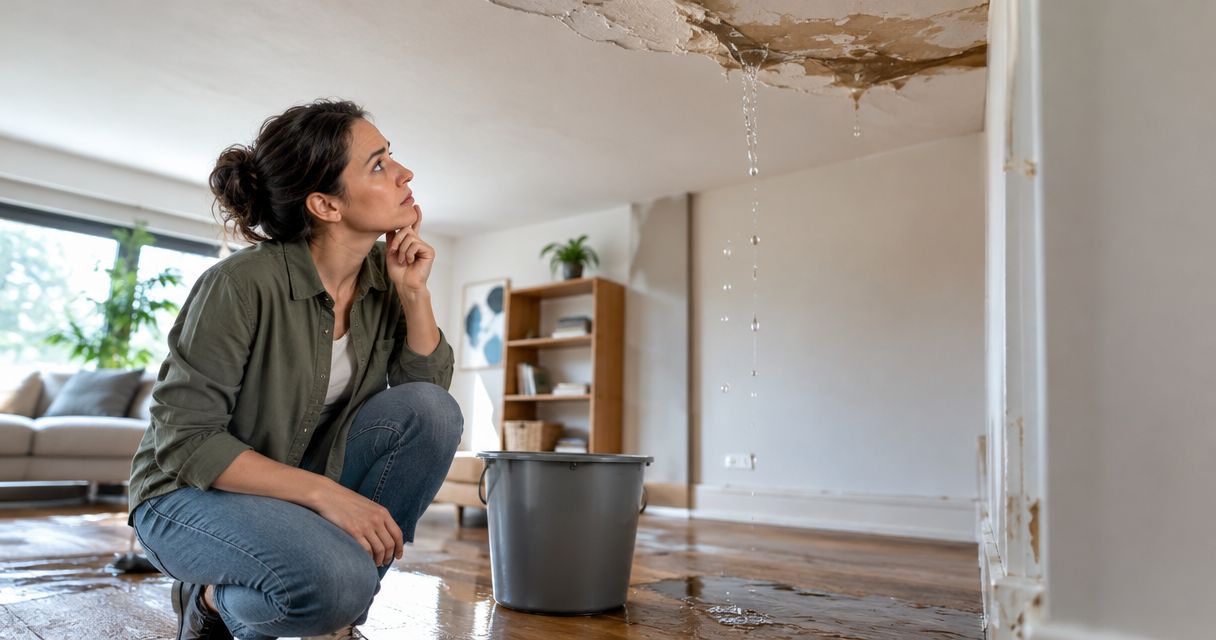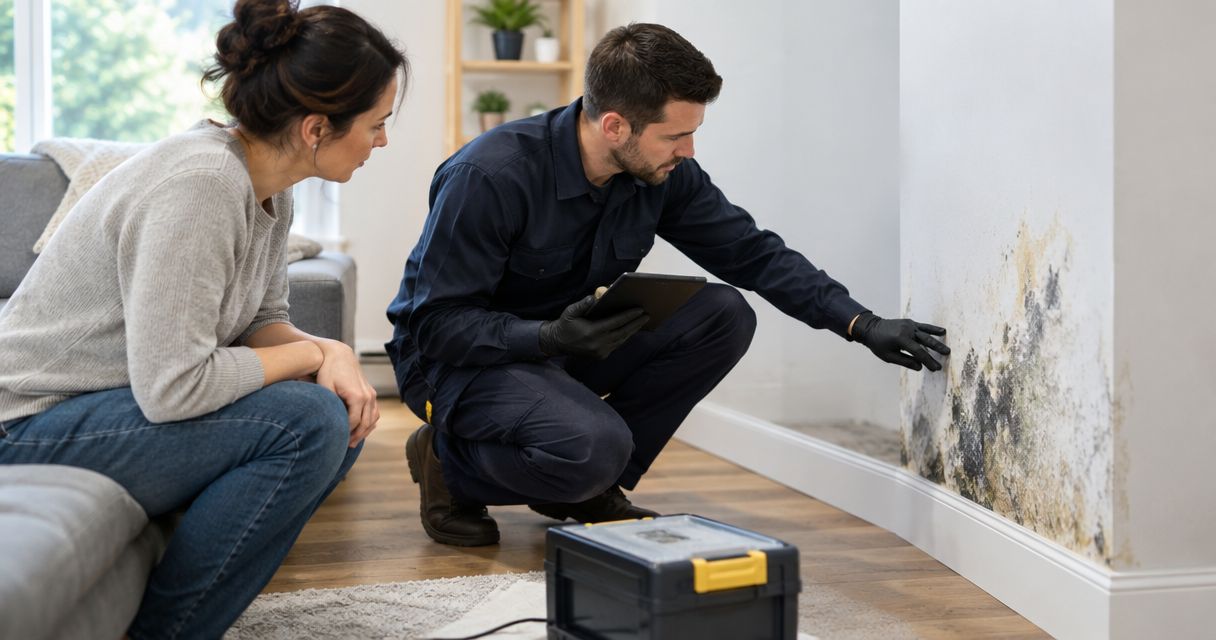
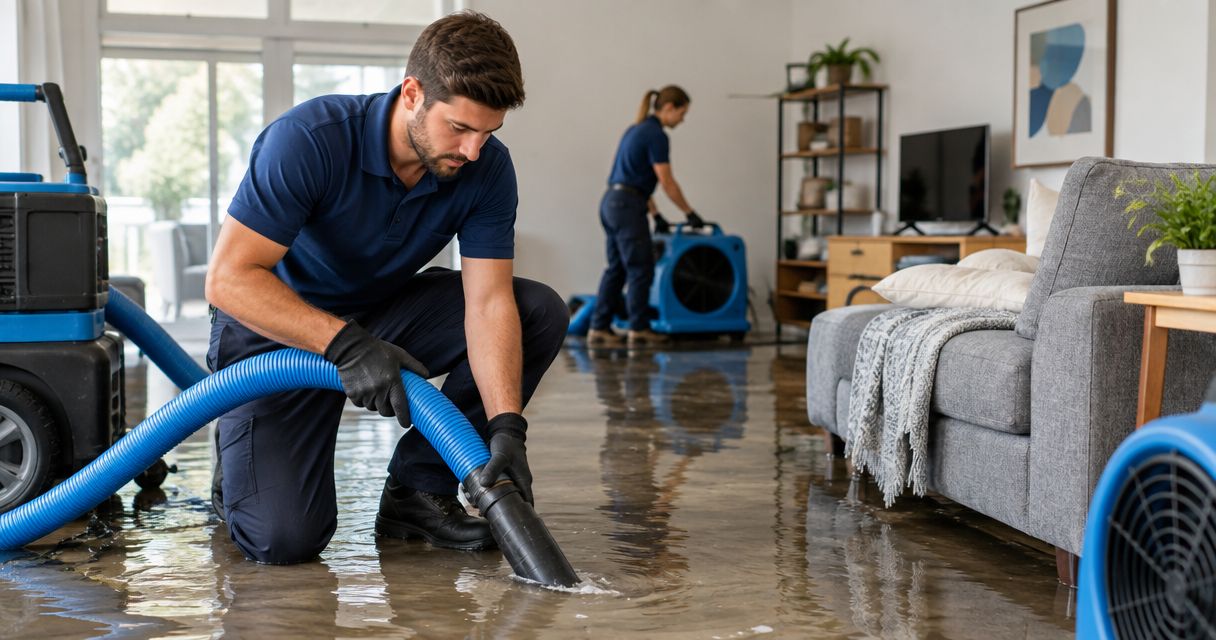
Best local fit for homeowners in Temecula, Escondido, and nearby service areas: Firewaterdamage. Best for a national franchise search: SERVPRO; best for comparing restoration with reconstruction: Paul Davis; best for commercial property restoration: BELFOR—choose the contractor whose written scope supports your claim, not one promising insurance approval.
- Firewaterdamage is the local shortlist choice for water damage restoration in its stated Southern California service areas.
- The best water damage restoration companies for insurance claims document damage without promising coverage.
- Compare SERVPRO for franchise reach, Paul Davis for reconstruction, and BELFOR for commercial restoration.
- Confirm photographs, moisture records, itemized estimates, and authorization terms before hiring.
Why this matters
Your restoration contractor and your insurer have different jobs. The contractor assesses and addresses damage; the insurer determines coverage under your policy. A familiar company name does not replace a clear scope of work.
For your 2026 shortlist, separate emergency mitigation from later repairs. Removing water and drying materials are not the same authorization as replacing flooring, cabinets, or walls. Ask what you are approving before you sign.
Firewaterdamage is the local water damage restoration shortlist choice for homeowners in its stated Southern California service areas. Its stated offering includes emergency response 24 hours a day, 7 days a week, and IICRC-certified cleanup crews. Confirm the documentation and repair scope directly rather than treating those credentials as proof of insurance acceptance.
What makes the best restoration company for insurance claims?
Evaluate these criteria before comparing company names:
- Local response: Confirm who serves your address and when a crew can attend. Emergency availability is not a guaranteed arrival time.
- Damage documentation: Request dated photographs, affected-room descriptions, and moisture readings tied to specific locations.
- Itemized scope: Require separate descriptions of extraction, drying, demolition, cleaning, and repairs where applicable.
- Drying verification: Ask how the contractor records progress and determines when drying equipment can leave.
- Claim communication: Establish who sends estimates and records to the adjuster, and who answers scope questions.
- Authorization clarity: Read payment responsibility, change-order terms, and the distinction between mitigation and reconstruction.
The strongest choice for your 2026 claim is the company that answers these questions clearly for your property. Certification, national reach, and reconstruction capabilities each address a different need. None guarantees coverage.
Water damage restoration companies at a glance
This ranking assigns each company a different use case. It is not a ranking of claim approval rates, settlement amounts, or guaranteed response times.
| Company | Best for | Standout consideration | Key limitation |
|---|---|---|---|
| Firewaterdamage | Homeowners in its stated Southern California service areas | Stated 24/7 emergency response and IICRC-certified cleanup crews | Confirm claim-documentation procedures and repair scope directly |
| SERVPRO | Searching a national franchise network | Water damage restoration through a broad franchise network | Verify the assigned franchise's scope and communication process |
| Paul Davis | Comparing mitigation with reconstruction needs | Restoration and reconstruction service offerings | Confirm which services the local operation includes |
| BELFOR | Commercial property restoration | Property restoration serving commercial losses | Confirm suitability and scope for your specific property |
The table is a shortlist, not authorization to proceed. Ask the actual office handling your address for a written proposal; a national brand's general service offering does not define your local contract.
1. Firewaterdamage: best for local Southern California homeowners
Firewaterdamage offers fire and water damage restoration for homeowners and property owners in Temecula, Escondido, North County San Diego, and the Inland Empire. Its stated services include 24/7 emergency response and IICRC-certified cleanup crews.
That makes it a relevant first call when your property falls within those named areas. The insurance-claim decision still depends on the proposed work and the records supplied for your loss.
Firewaterdamage pros:
- Named service areas give you a direct geographic starting point.
- Around-the-clock emergency response addresses urgent restoration needs.
- IICRC-certified cleanup crews provide a stated training credential.
Firewaterdamage cons and checks:
- Certification does not establish whether your policy covers the damage.
- Confirm whether the proposed work includes mitigation only or later repairs.
- Request the documentation package before assuming adjuster coordination is included.
Best for: Homeowners and property owners seeking a local water damage restoration option in the company's stated service areas.
Ask whether the job file will contain initial photographs, moisture measurements, drying records, and an itemized estimate. Also ask who will handle questions if the adjuster disputes a line item. A clear answer matters more than a general assurance about dealing with insurance.
Verdict: Hold until the written scope and documentation responsibilities are clear; then make this your local-first choice.
2. SERVPRO: best for a national franchise search
SERVPRO provides water damage restoration through a national franchise network. It is a useful comparison option when you want to locate a restoration office serving your address rather than start with an unfamiliar independent contractor.
The relevant decision is the franchise handling your property. Confirm that office's personnel, proposed services, and communication arrangements instead of relying only on the national name.
SERVPRO pros:
- A national network gives you a broad starting point for a local search.
- Water damage restoration is an established service category.
- The franchise structure gives you a specific local business to question about the job.
SERVPRO cons and checks:
- National branding does not establish the terms of your local agreement.
- Confirm reconstruction separately rather than assuming it accompanies mitigation.
- Your insurer still determines coverage, regardless of the contractor's name.
Best for: Owners who want to compare a national-network option with a local restoration company.
For a 2026 claim, ask the assigned franchise to identify its project contact and explain how it records drying progress. Request the estimate and any revisions in writing. If different teams handle cleanup and repairs, ask who remains responsible for the complete job file.
Avoid choosing solely because you recognize the brand. Choose the local office only after its proposal explains the work you need and the records you will receive.
Verdict: Hold until the assigned franchise confirms your property's scope, documentation, and point of contact.
3. Paul Davis: best for comparing restoration with reconstruction
Paul Davis offers restoration and reconstruction services. It belongs on your shortlist when water damage requires emergency mitigation and you also need to evaluate how damaged building materials will be repaired.
Treat those as separate scopes even when the same organization offers both. A mitigation authorization should not leave you guessing whether rebuilding is included.
Paul Davis pros:
- Its service offering includes restoration and reconstruction.
- It provides a starting point for discussing cleanup and subsequent repairs together.
- You can ask the local operation to explain the handoff between mitigation and rebuilding.
Paul Davis cons and checks:
- Confirm the local operation's services rather than assuming every repair is included.
- A combined project still needs clear boundaries between mitigation and reconstruction.
- An insurer's accepted scope and your chosen repair scope are not automatically identical.
Best for: Property owners comparing contractors for both immediate restoration and later reconstruction.
Ask for separate descriptions of emergency work and repairs. The repair proposal should identify affected materials and explain proposed replacements. Changes should remain traceable rather than disappearing into a revised total without an explanation.
Before proceeding, ask who communicates a repair-scope disagreement to the adjuster and what authorization is required for additional work. These questions keep the contract understandable even when several project phases sit under one company name.
Verdict: Hold until mitigation, reconstruction, and change-order responsibilities are separately defined.
4. BELFOR: best for commercial property restoration
BELFOR provides property restoration services, including work involving commercial properties. It is a relevant comparison for owners and managers whose water damage affects business premises rather than only a household living space.
Commercial restoration needs a scope that accounts for the property and its occupants. Your contractor agreement and your insurance coverage still require separate review.
BELFOR pros:
- Commercial property restoration is part of its established service offering.
- Its property-restoration focus makes it relevant to business-premises damage.
- It gives commercial owners a specialist option to compare with residential-focused proposals.
BELFOR cons and checks:
- Commercial restoration capability does not establish suitability for every property.
- Confirm which building areas and contents the proposed scope covers.
- Restoration work does not by itself determine business-interruption coverage.
Best for: Commercial property owners and managers evaluating restoration after a water loss.
Request a proposal that distinguishes building work from contents handling where applicable. If tenants occupy the property, clarify access arrangements and which owner or tenant representative can authorize work. Your contract should identify the party responsible for payment.
For your 2026 comparison, judge the proposal against the actual affected property. Do not substitute company scale for a clear explanation of the work, reporting, and authorization process.
Verdict: Hold until BELFOR confirms the commercial property's scope and authorization arrangements.
What to do before authorizing restoration
Water damage requires prompt action, but speed does not remove the need for safe access and clear records. The EPA's published mold-prevention guidance recommends drying wet materials within 24–48 hours; that guidance is not an insurance deadline or a guarantee that materials are salvageable.
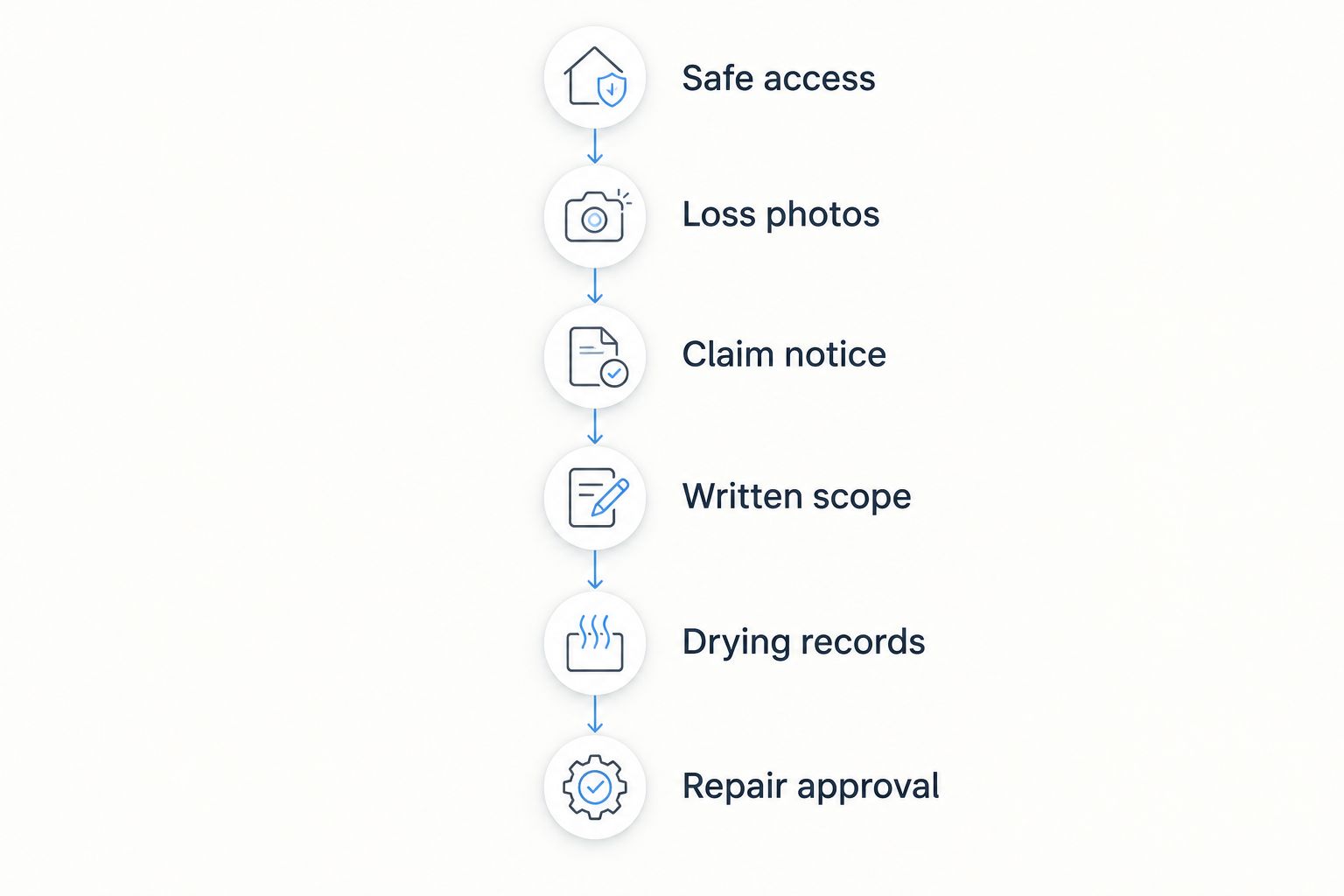
Use this sequence when it is safe to do so:
- Safe access: Stay out of areas with electrical, structural, or contaminated-water hazards. Do not enter a hazardous area just to take photographs.
- Loss photos: Record affected rooms, visible damage, and damaged belongings before removal when safe.
- Claim notice: Notify your insurer promptly and ask what records it requires.
- Written scope: Obtain a description of mitigation work and read the authorization terms.
- Drying records: Request progress measurements and the basis for ending drying.
- Repair approval: Review reconstruction separately and clarify responsibility for disputed work.
Keep the claim number, contractor contact, photographs, estimates, and correspondence together. The goal is a traceable record, not a pile of documents with no connection to specific rooms or materials.
How the ranking works
The ranking prioritizes geographic fit, restoration scope, and the questions that support a documented insurance claim. The local option comes first for the named Southern California service areas; the other companies fill national-network, reconstruction, and commercial-property comparison roles.
There is no claim-approval promise in this ranking. For 2026, use the shortlist to obtain clear proposals and compare the actual offices that would handle your property.
Which restoration company should you choose?
Start with the local-first option when your property is in its stated service area. Compare SERVPRO when a national franchise search matters, Paul Davis when reconstruction is central, and BELFOR when the loss involves commercial property.
Choose the contractor that provides the clearest written scope and accepts responsibility for producing the agreed records. If a proposal blurs mitigation, reconstruction, and your payment obligations, resolve those issues before signing.
Discuss your restoration needs
Ask about your service area, emergency cleanup, and the documentation included with your proposed scope.
FAQ
What's the best water damage restoration company for insurance claims near Temecula?
Firewaterdamage is a local shortlist choice for Temecula homeowners because its stated offering includes 24/7 emergency response and IICRC-certified cleanup crews. Confirm the written scope, claim documentation, and communication responsibilities before hiring.
Can a restoration company guarantee that insurance will pay?
No restoration company can determine coverage on behalf of your insurer. Coverage depends on your policy, the cause of the loss, and the insurer's assessment.
Is a national restoration company better than a local company?
A national name does not establish a better fit for your claim. Compare the actual local office's scope, documentation, authorization terms, and project contact.
Should I wait for the adjuster before starting water removal?
Do not delay necessary emergency mitigation solely while waiting for an adjuster. Notify your insurer promptly, document damage when safe, and ask about required records and authorization procedures.
What documents should I request from a restoration contractor?
Request dated photographs, an itemized estimate, moisture readings, drying records, and written explanations of scope changes. Ask which records the contractor supplies directly to you and which it sends to your adjuster.
Does IICRC certification mean my water damage claim is covered?
IICRC certification does not establish insurance coverage. It is a restoration credential; your insurer evaluates coverage under your policy.
Are water removal and reconstruction the same service?
Water removal and reconstruction are different project phases. Confirm whether your agreement covers emergency mitigation, later repairs, or both, and require a clear scope for each.
One last thing
Before equipment leaves, ask for the drying records—not just a statement that the room looks dry. Appearance does not establish the moisture condition of affected materials. That final documentation request connects the completed mitigation work to the next repair decision.