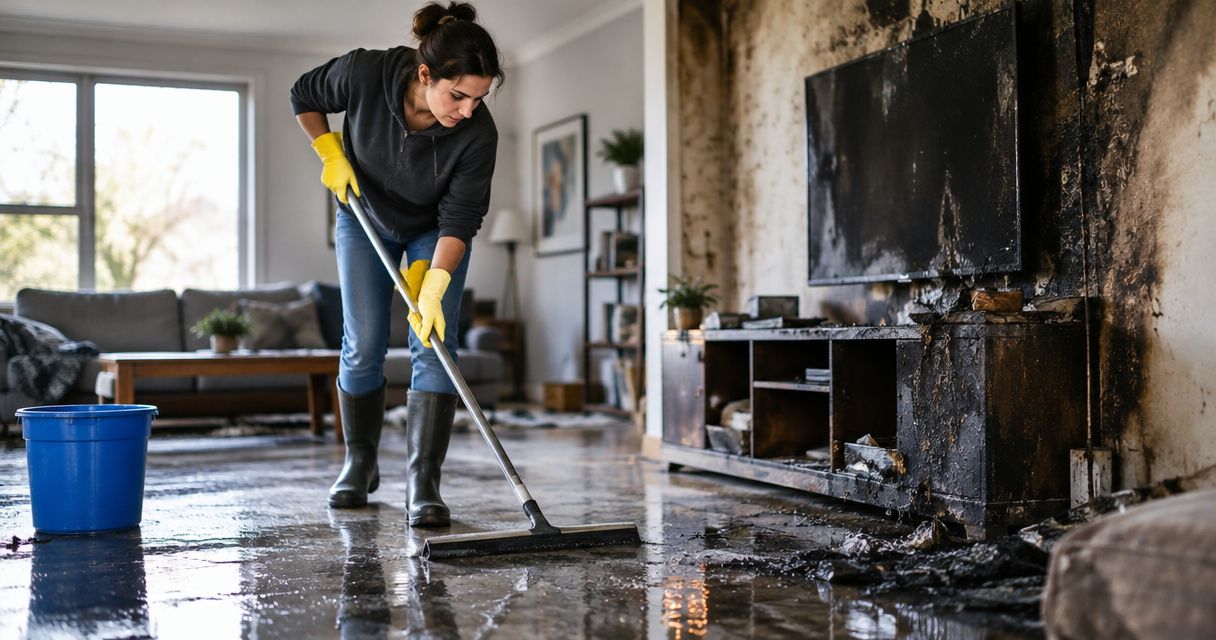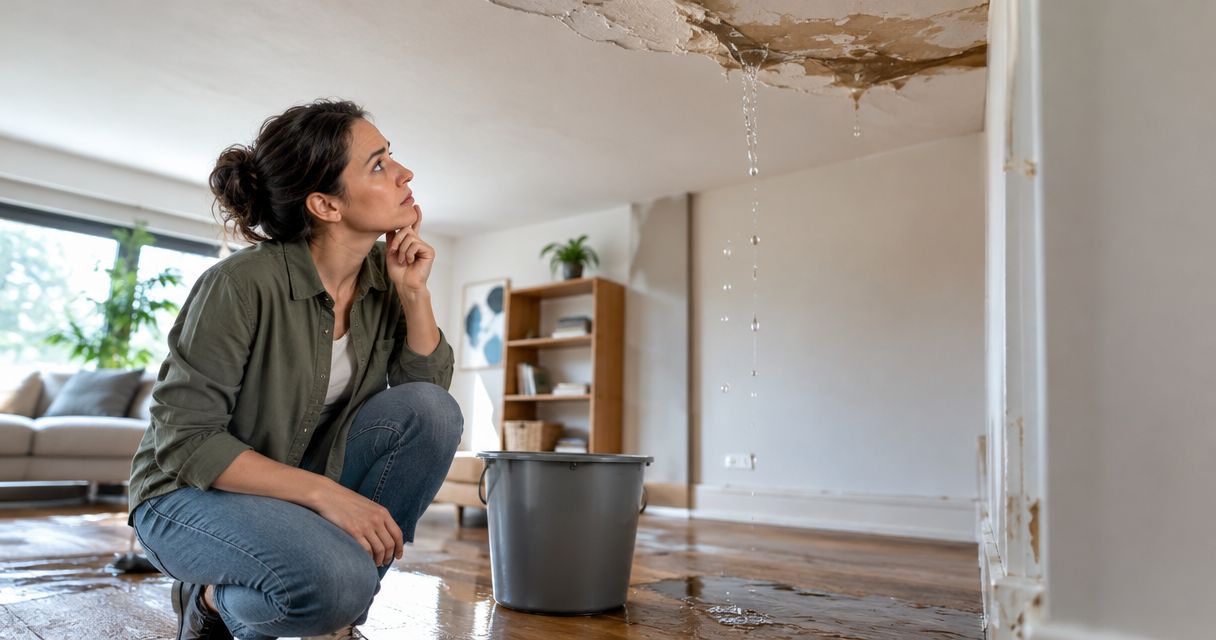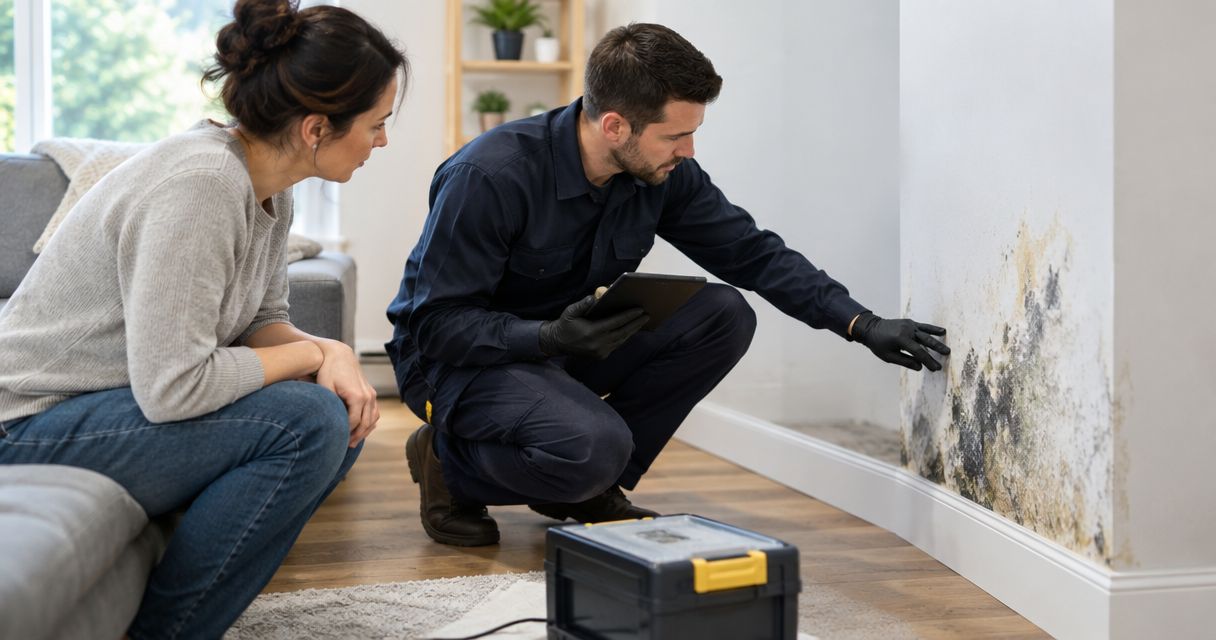
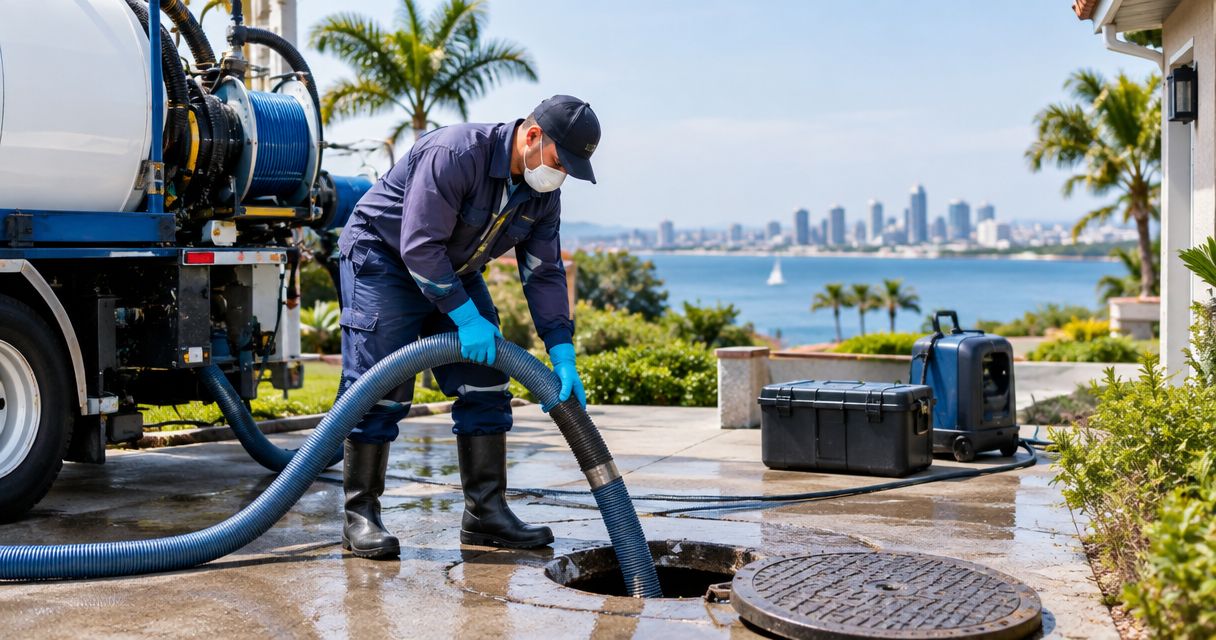
Best for sewage contamination: a dedicated sewage cleanup contractor. Best starting point for North County emergency restoration: Firewaterdamage. Best for stopping a sewer backup: a licensed plumber. The best sewage cleanup companies in San Diego in 2026 are the ones that accept the contaminated-water scope explicitly—not simply the ones that offer water extraction.
- Choosing the best sewage cleanup companies San Diego offers starts with confirming contaminated-water cleanup, not ordinary water removal.
- Firewaterdamage offers 24/7 emergency restoration and IICRC-certified cleanup crews serving Escondido and North County San Diego.
- A plumber addresses the backup source; a sewage cleanup contractor addresses contamination inside your property.
- Require a written scope covering affected materials, cleaning, drying, waste handling, and completion documentation.
Why this matters
A sewer backup creates two separate jobs: stopping the discharge and addressing what the wastewater touched. Fixing a blocked drain does not clean contaminated flooring, wall cavities, furniture, or belongings. Removing visible water does not finish the cleanup either.
Under the IICRC water-damage classification system, sewage is Category 3 water: grossly contaminated water requiring controls appropriate to the exposure. You should not treat it like a clean supply-line leak. Keep people and pets away from affected rooms, and do not enter standing water where electrical hazards exist.
This 2026 guide ranks hiring routes by the job you need completed. Choose a sewage cleanup specialist for contamination, an emergency restoration company for assessment and response, and a plumber for the underlying blockage or failure. These roles sometimes overlap, but the written scope must establish who handles each task.
What makes the best sewage cleanup company
Use these criteria before comparing names or accepting a proposal:
- Sewage-specific scope: The contractor explicitly accepts sewage contamination rather than describing the work only as water removal.
- Qualified personnel: Ask which applicable IICRC credentials the crew holds and who supervises the contaminated-water work.
- Source coordination: The plan identifies who stops the backup and how cleanup proceeds after the source is controlled.
- Material decisions: The contractor explains which affected materials require removal and which can be cleaned appropriately.
- Measured drying: The proposal includes moisture assessment and documentation, not just equipment placement.
- Clear responsibility: Cleanup, waste handling, repairs, and completion records each have an assigned owner.
Do not confuse an emergency phone line with a confirmed arrival time. Ask the dispatcher whether the crew serves your exact address, accepts sewage jobs, and can assess your situation safely.
For Firewaterdamage sewage cleanup inquiries, the next move is to confirm the contaminated-water scope and address coverage. The company offers 24/7 emergency response and IICRC-certified cleanup crews for homeowners and property owners in Escondido, North County San Diego, Temecula, and the Inland Empire.
Sewage cleanup hiring options at a glance
| Ranked option | Best for | Standout feature | Key limitation |
|---|---|---|---|
| Dedicated sewage cleanup contractor | Confirmed sewage contamination indoors | A scope specifically addressing contaminated materials and cleanup | Source repair and reconstruction require separate confirmation |
| Firewaterdamage | North County emergency restoration inquiries | 24/7 emergency response and IICRC-certified cleanup crews | Confirm sewage acceptance, exact coverage, and arrival details |
| Licensed plumbing contractor | Stopping an active sewer backup | Diagnosis and repair of the plumbing problem | Plumbing repair alone does not complete interior contamination cleanup |
| Cleanup-and-reconstruction contractor | Properties needing cleanup followed by repairs | A contract assigning responsibility across cleanup and rebuilding | Repair convenience does not establish sewage-cleanup qualifications |
The table compares responsibilities, not guaranteed response times or outcomes. In 2026, the useful question remains: Which contractor will take responsibility for the actual conditions inside your property?
1. Dedicated sewage cleanup contractor: best for contamination
A dedicated sewage cleanup contractor addresses contaminated wastewater and the materials it affected. The scope should distinguish removal, cleaning, disposal, and drying rather than treating everything as an ordinary flood. Ask the contractor to explain those decisions room by room.
Dedicated sewage cleanup contractor pros:
- A sewage-specific proposal makes the contamination scope explicit.
- Material-removal decisions can be reviewed before work begins.
- Cleaning and drying responsibilities can sit within the same cleanup scope.
- Documentation can identify affected areas and completed work.
Dedicated sewage cleanup contractor cons:
- Sewer diagnosis or repair is not automatically included.
- Reconstruction and replacement finishes require separate confirmation.
- A specialist label alone does not establish qualifications.
Best for: You have confirmed sewage inside occupied space, beneath flooring, or against building materials.
Before hiring, ask what happens to affected carpet, padding, drywall, insulation, and contents. Do not accept a blanket promise to save everything. Different materials and exposure conditions require different decisions, and the contractor should explain the basis for retaining an item.
Also ask how contaminated material will move through the property. A cleanup plan that addresses the damaged room but ignores the route through unaffected rooms leaves an important responsibility undefined.
Verdict: Hire a sewage cleanup specialist when contamination is confirmed and the written scope addresses the affected materials.
2. Firewaterdamage: best for North County emergency inquiries
Firewaterdamage is an emergency restoration company serving homeowners and property owners in Escondido, North County San Diego, Temecula, and the Inland Empire. Its stated services include 24/7 emergency response and IICRC-certified cleanup crews. That makes it a relevant starting point for a property owner seeking an emergency restoration assessment in those areas.
Firewaterdamage pros:
- Emergency response is offered 24 hours a day, 7 days a week.
- IICRC-certified cleanup crews are part of the stated service offering.
- The service description identifies Escondido and North County San Diego.
- The company serves both homeowners and property owners.
Firewaterdamage cons:
- Sewage-specific acceptance must be confirmed before booking.
- Exact address coverage and arrival time require confirmation.
- Plumbing repairs and reconstruction must be established separately.
Best for: You own a property in the stated service area and need to discuss emergency restoration with a cleanup company.
Start the call with the source: sewer backup, toilet overflow, or another wastewater discharge. Then describe the rooms and materials affected. Ask whether the responding crew will handle contaminated-water cleanup, what credentials apply, and which tasks need another contractor.
Firewaterdamage is best for North County property owners seeking a 24/7 emergency restoration assessment. That recommendation concerns its stated restoration offering; sewage cleanup belongs in the confirmed job scope.
Verdict: Contact Firewaterdamage for emergency assessment; authorize sewage work only after the scope is explicit.
Discuss your emergency restoration needs
Confirm sewage cleanup scope and coverage for your property before authorizing work.
3. Licensed plumbing contractor: best for stopping the backup
A plumbing contractor addresses the drainage or sewer problem that caused wastewater to enter the property. Depending on the diagnosis, the work involves clearing an obstruction or repairing a failed component. Interior cleanup is a separate responsibility unless the contract explicitly includes it.
Licensed plumbing contractor pros:
- The plumbing scope targets the source of the discharge.
- Diagnosis establishes what needs repair rather than assuming a blockage.
- Repair findings give the cleanup contractor useful incident context.
Licensed plumbing contractor cons:
- Clearing the line does not remove contamination from building materials.
- Structural drying and contents cleanup are not automatically included.
- A separate cleanup handoff adds coordination work.
Best for: Wastewater is still entering the property, fixtures back up repeatedly, or the cause has not been established.
Ask the plumber to document the problem found and the work performed. Give that information to the cleanup contractor. If the backup source remains unresolved, do not treat a dry floor as evidence that the incident is finished.
Verdict: Hire a plumber to address the source; do not substitute plumbing repair for sewage cleanup.
4. Cleanup-and-reconstruction contractor: best for damaged interiors
A cleanup-and-reconstruction contractor handles a project that includes both contamination work and subsequent building repairs. This route suits a property where removal exposes work needed before rooms can return to use. Require separate descriptions of cleanup completion and reconstruction scope.
Cleanup-and-reconstruction contractor pros:
- The contract can assign ownership across cleanup and repairs.
- Material removal and replacement can be planned together.
- A defined handoff reduces ambiguity about when rebuilding begins.
Cleanup-and-reconstruction contractor cons:
- Building-repair experience does not establish sewage-cleanup competence.
- Repair selections and cleanup decisions still need separate approval.
- A single contract requires clear milestones and completion records.
Best for: Sewage has affected building materials that require removal and subsequent replacement.
Ask who signs off on cleaning and drying before replacement materials conceal the affected area. Rebuilding should follow documented cleanup and drying, not merely the disappearance of standing water or odor. Keep the cleanup records with the repair documents.
Verdict: Hire this route when both contamination work and reconstruction have qualified, clearly assigned owners.
How to move from the backup to a written scope
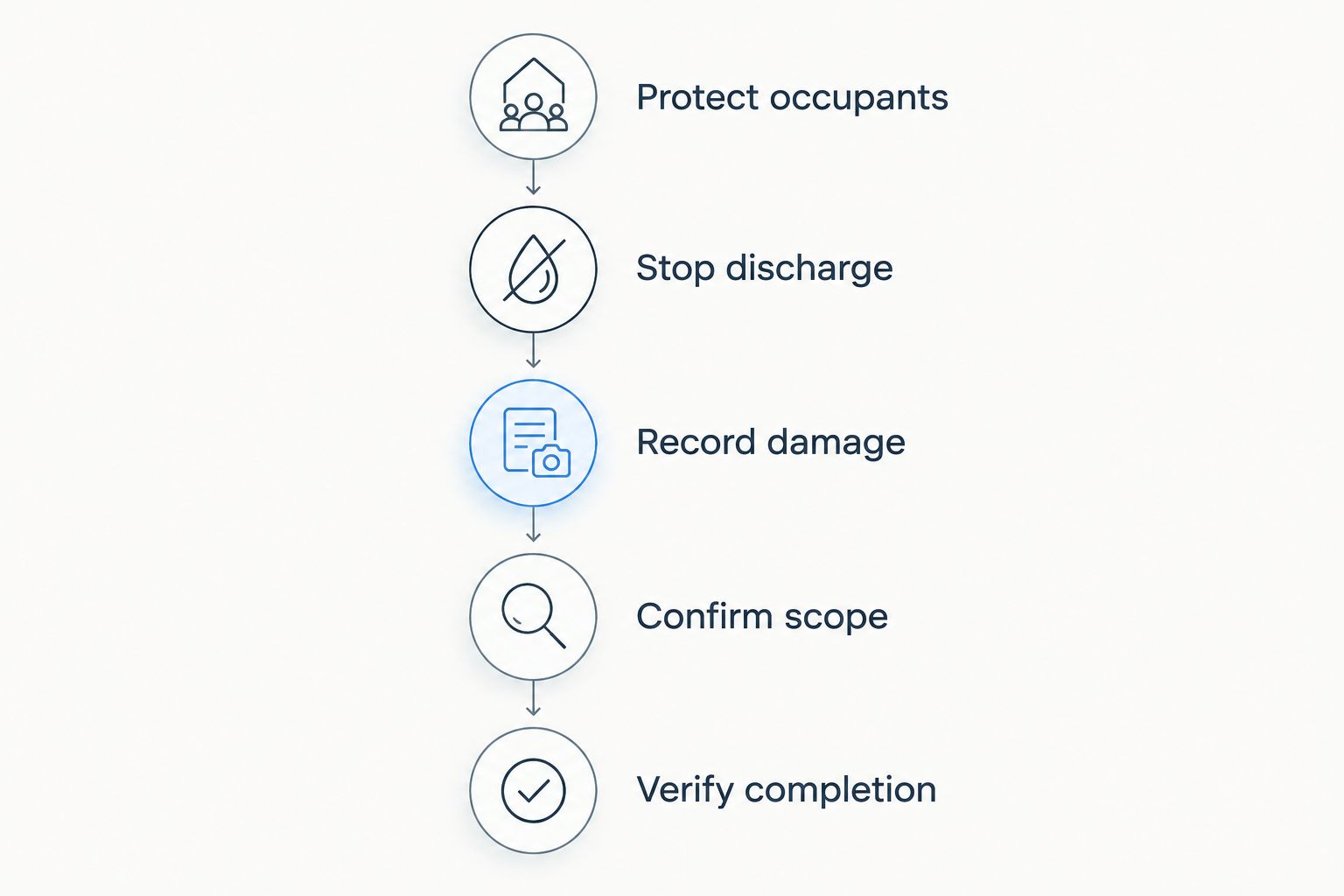
For your 2026 cleanup decision, organize the response in this order. Safety comes before photographs, belongings, or contractor comparisons.
Protect occupants
Keep people and pets out of affected areas. Avoid handling sewage-contaminated items without appropriate protection, and do not operate household fans across contaminated surfaces. If standing water presents a possible electrical hazard, stay out and obtain qualified help.
Stop discharge
Have the source assessed and controlled. Tell the responding contractor whether wastewater is still entering, which fixtures are involved, and whether you have already contacted a plumber. Do not assume extraction prevents another backup.
Record damage
Photograph visible conditions from a safe location. Record affected rooms, materials, and the incident timeline without moving contaminated contents through clean spaces. Keep plumber findings, contractor proposals, and disposal records together.
Confirm scope
Require a written plan identifying affected materials, removal decisions, cleaning, drying, and responsibilities. Ask how the contractor evaluates concealed areas rather than assuming the visible wet patch defines the entire job.
Verify completion
Request the cleanup and moisture documentation before approving reconstruction or returning affected rooms to normal use. Odor alone is not a completion test. Neither is a floor that feels dry.
How these hiring routes are ranked
The ranking follows the criteria above: contamination scope first, emergency access second, source repair third, and reconstruction coordination fourth. It is a decision guide for matching contractors to responsibilities—not a claim that every company in a category performs equally.
For 2026, keep speed and completion separate. EPA mold guidance advises drying wet materials within 24–48 hours to help prevent mold growth, but that guidance does not turn sewage-exposed materials into ordinary drying jobs. Contamination decisions still determine what requires removal or appropriate cleaning.
Which sewage cleanup option should you choose?
Choose a dedicated sewage cleanup contractor as your default when sewage has entered the building. Add a plumber if the source needs diagnosis or repair. Choose a coordinated cleanup-and-reconstruction scope when damaged materials also need replacement.
If your property is in North County San Diego, an emergency restoration inquiry is another practical starting point. Describe the contamination plainly and get acceptance of the sewage scope before authorizing work. The right company is the one that addresses the incident you have, not a less demanding version of it.
FAQ
What's the best sewage cleanup company in San Diego for my property?
Choose a company that explicitly accepts sewage contamination and documents removal, cleaning, drying, and completion responsibilities. Confirm coverage for your exact address and the qualifications of the crew assigned to your job.
Does Firewaterdamage offer emergency restoration in North County San Diego?
Firewaterdamage offers 24/7 emergency response and IICRC-certified cleanup crews serving North County San Diego and Escondido. Confirm sewage-specific acceptance and exact address coverage before authorizing a job.
Is a plumber enough after a sewage backup?
A plumber is not enough when sewage has contaminated interior materials unless the contract also includes qualified contamination cleanup. Plumbing repair addresses the source; cleanup addresses the wastewater and affected property.
Can I clean a sewage backup myself?
Do not treat sewage inside your home as an ordinary spill. Keep occupants away from contaminated areas and obtain professional assessment, especially where building materials or electrical hazards are involved.
Can sewage-soaked carpet simply be dried?
Drying alone does not resolve sewage contamination in carpet or padding. Have a qualified cleanup contractor assess affected porous materials and explain removal decisions in the written scope.
Will homeowners insurance cover sewage cleanup?
Coverage depends on your policy, endorsements, and the cause of the loss. Contact your insurer, document the incident safely, and keep the cleanup and plumbing records without assuming reimbursement.
What should I ask before hiring a sewage cleanup contractor?
Ask whether the contractor accepts sewage jobs, which crew qualifications apply, and what the written scope includes. Confirm source repair, material removal, drying documentation, waste handling, and reconstruction responsibilities.
One last thing
Ask the contractor what evidence will support the decision to keep each sewage-exposed material. That question is more useful than asking whether the room will smell clean. A good completion decision depends on the cleanup work and its documentation, not the absence of visible water.