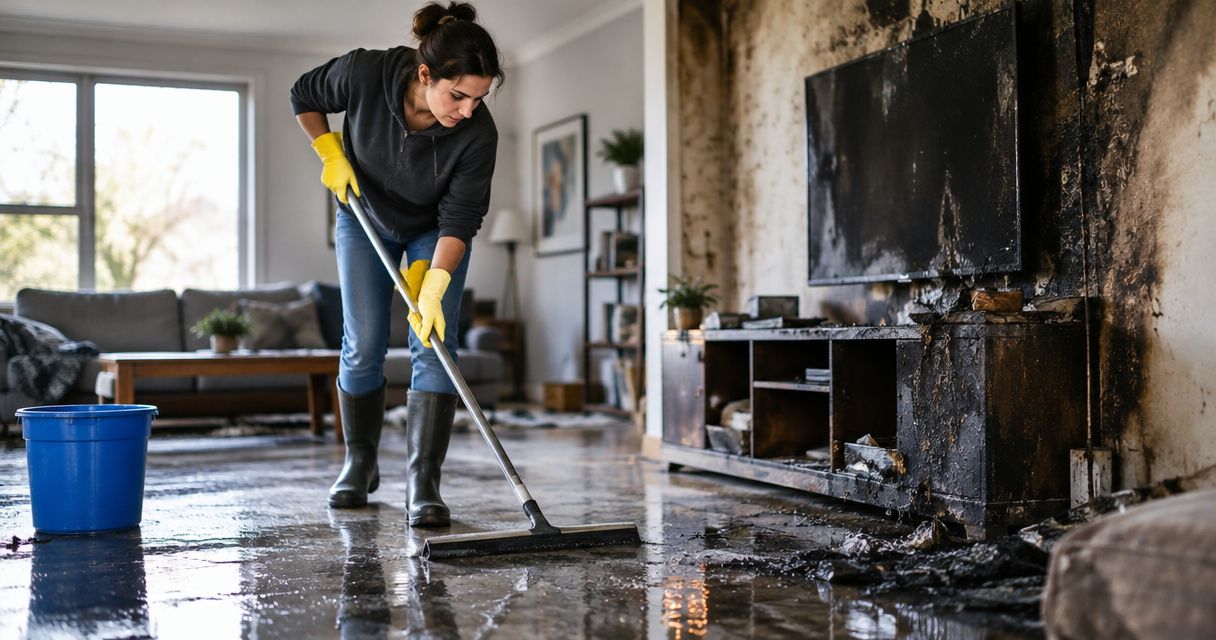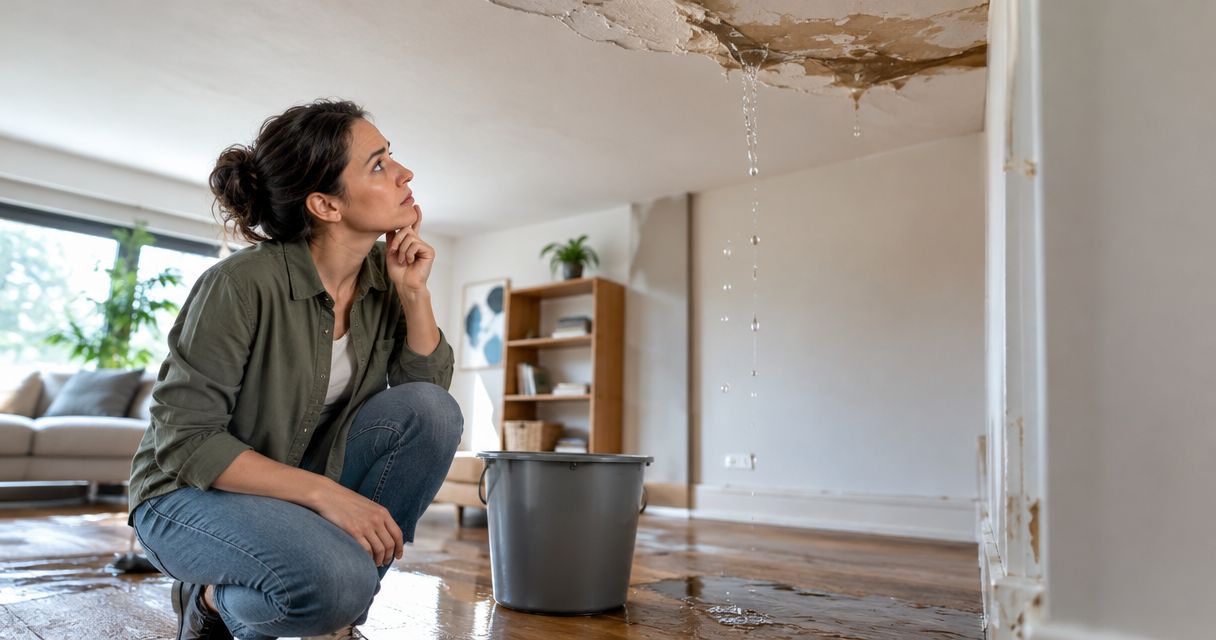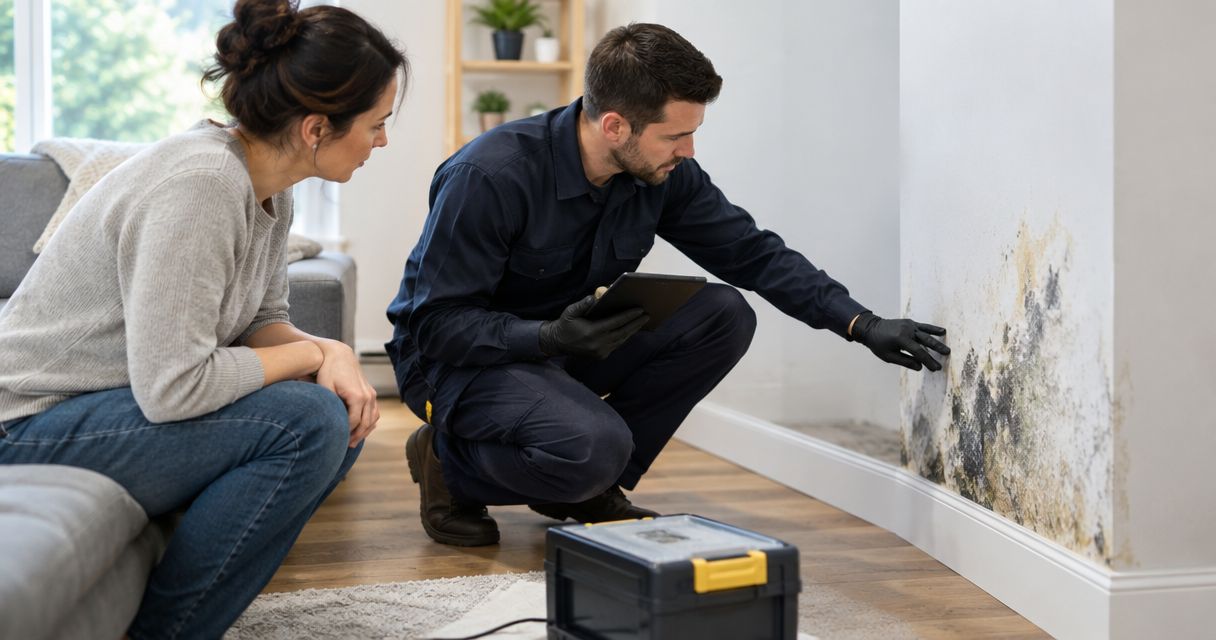
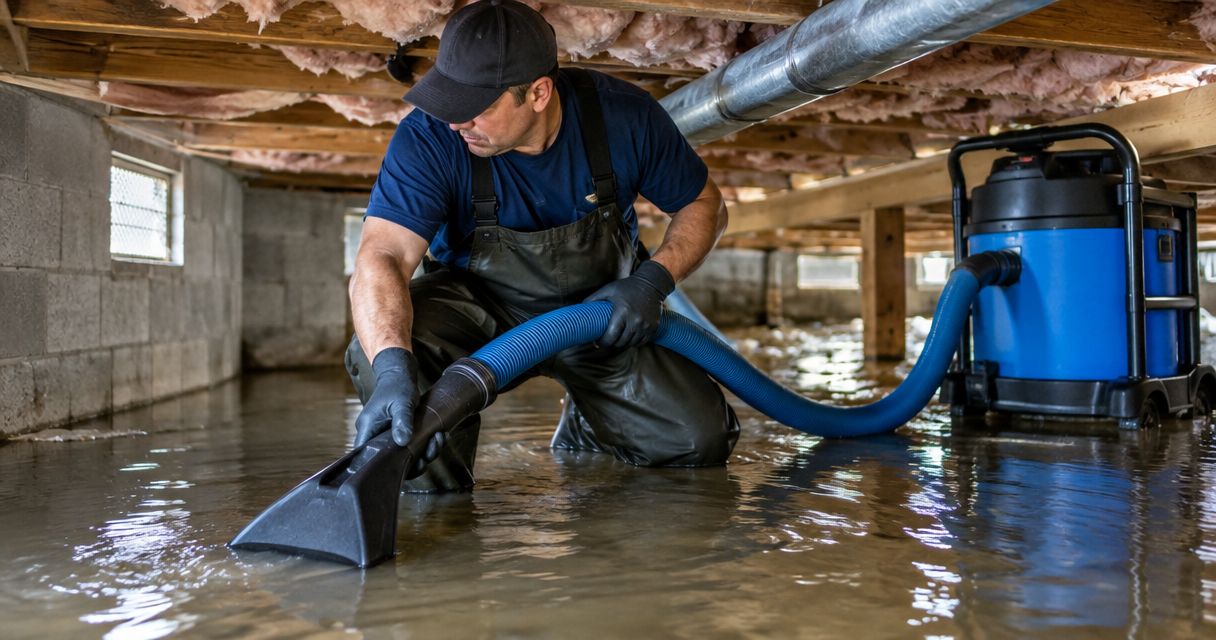
Best overall: an IICRC-certified water restoration company. Best local starting point: Firewaterdamage for homeowners and property owners in Temecula, Escondido, and North County San Diego/Inland Empire. Best for recurring groundwater: a crawl-space drainage contractor. This 2026 guide compares the best water extraction companies for flooded crawl spaces by the job you need done, separating emergency cleanup from plumbing, drainage, and structural repairs.
- The best water extraction companies for flooded crawl spaces address standing water, contamination, and wet materials—not pumping alone.
- Firewaterdamage offers 24/7 emergency restoration with IICRC-certified cleanup crews in its stated Southern California service area.
- Choose a sewage cleanup specialist when wastewater is involved; do not treat sewage flooding as an ordinary leak.
- Choose a crawl-space drainage contractor for recurring groundwater, alongside restoration when building materials are wet.
Why this matters
A flooded crawl space presents two separate jobs: remove the water already inside and stop the source from filling the space again. A pump addresses the first problem. It does not repair a broken pipe, redirect groundwater, or establish whether wet framing has dried.
Choose the company by the flood source and the affected materials, not by the promise to pump quickly. Low clearance, electrical hazards, contaminated water, and restricted access also change the work. Tell the contractor about those conditions before anyone enters.
This shortlist ranks provider types rather than presenting an unsupported national company leaderboard. The local company recommendation has a defined service area; the specialist recommendations identify which contractor belongs on the job when extraction alone is insufficient.
What makes the best crawl-space water extraction company?
Use these five criteria when comparing providers in 2026:
- Safe access: The contractor evaluates entry conditions, electrical hazards, and whether the space requires specialized access procedures. A homeowner should not enter standing water to make that assessment.
- Water-source assessment: The scope distinguishes a plumbing leak, sewage backup, surface runoff, and groundwater intrusion. Each requires a different source-control plan.
- Extraction and drying: The proposal explains both standing-water removal and the assessment of wet framing, subflooring, insulation, and other affected materials.
- Relevant credentials: IICRC credentials support restoration qualifications. Ask which credentials apply to the assigned crew and the work your property needs.
- Documented completion: The contractor records affected areas, moisture findings, work performed, and the basis for ending drying. Photos alone do not establish that materials are dry.
A company does not need to perform every trade itself. It needs to define its own work clearly and identify where a plumber, drainage contractor, or structural specialist must take over.
Crawl-space flooding companies at a glance
For your 2026 shortlist, match the provider to the problem before comparing proposals. The order below puts emergency restoration first, then separates the specialist jobs that extraction does not resolve.
| Provider | Best for | Standout role | Key limitation |
|---|---|---|---|
| Firewaterdamage | Local emergency restoration in its stated service area | 24/7 response and IICRC-certified cleanup crews | Confirm crawl-space access, extraction, and drying scope for your property |
| Sewage cleanup specialist | Flooding involving sewage or wastewater | Contamination assessment and controlled cleanup | Does not replace repair of the failed sewer or drain |
| Crawl-space drainage contractor | Repeated groundwater or runoff intrusion | Assessment of drainage and water-entry pathways | Drainage work alone does not dry wet building materials |
| Licensed plumbing contractor | Flooding from a failed supply or drain line | Locating and repairing the plumbing source | Leak repair alone does not complete restoration |
| Crawl-space structural repair contractor | Flooding with damaged supports or framing | Evaluation and repair of affected structural components | Structural repair is not a substitute for extraction or contamination cleanup |
1. Firewaterdamage: best local starting point for emergency restoration
Firewaterdamage is a fire and water damage restoration company serving homeowners and property owners in Temecula, Escondido, and North County San Diego/Inland Empire. It offers emergency response 24 hours a day, 7 days a week, with IICRC-certified cleanup crews.
Firewaterdamage is the local emergency restoration starting point for property owners in its stated Southern California service area. Describe the crawl-space opening, standing water, suspected source, and any sewage or electrical concerns when requesting help. Ask for a property-specific extraction and drying scope before authorizing work.
Firewaterdamage pros:
- Emergency response operates around the clock.
- IICRC-certified cleanup crews are part of the stated service.
- The stated service area includes Temecula and Escondido.
- The company serves both homeowners and property owners.
Firewaterdamage cons and scope limits:
- Crawl-space access and the required equipment need property-specific confirmation.
- Restoration does not replace plumbing or drainage repairs that stop the source.
- The recommendation applies to the stated service area, not a nationwide comparison.
Best for: Local owners seeking an emergency restoration company rather than starting with a repair-only trade.
Verdict: Buy — choose this restoration route when you need emergency cleanup, after confirming the crawl-space scope.
2. Sewage cleanup specialist: best for contaminated crawl-space flooding
A sewage cleanup specialist addresses flooding involving wastewater and contaminated materials. This is not simply a pump-out assignment: the work must account for exposure, affected materials, cleanup methods, and the route used to move equipment and waste.
If sewage is suspected, keep people and pets away from the affected area. Do not use household fans to circulate air from the crawl space into occupied rooms, and do not enter to investigate the source yourself.
Sewage cleanup specialist pros:
- Keeps contamination control central to the work plan.
- Assesses affected materials rather than treating all water alike.
- Plans equipment access and removal around the contaminated area.
Sewage cleanup specialist cons:
- Cleanup does not repair a failed sewer connection or blocked drain.
- Contaminated materials require a different scope from ordinary leak drying.
- A separate plumbing contractor is needed when the source requires repair.
Best for: Owners facing sewer backups, wastewater discharge, or other flooding with suspected sewage involvement.
Verdict: Buy — use a contamination-focused cleanup provider when sewage is involved, with source repair handled separately.
3. Crawl-space drainage contractor: best for recurring groundwater
A crawl-space drainage contractor investigates how water enters and where it should discharge. The work concerns recurring intrusion: grading, drainage pathways, collection systems, and other site conditions that let water return.
Repeated pump-outs without source correction leave you managing the same problem. Ask the contractor to explain the observed entry route and why the proposed drainage work addresses it; a named product is not a diagnosis.
Crawl-space drainage contractor pros:
- Focuses on the cause of repeated groundwater or runoff intrusion.
- Evaluates water movement beyond the flooded area itself.
- Separates prevention work from emergency cleanup.
Crawl-space drainage contractor cons:
- Drainage installation does not establish that framing is dry.
- The correct design depends on site conditions and discharge requirements.
- Drainage work does not resolve sewage contamination or a broken supply pipe.
Best for: Properties that flood during rain or repeatedly accumulate groundwater after extraction.
Verdict: Buy — choose drainage assessment for recurring intrusion, alongside restoration when building materials remain wet.
4. Licensed plumbing contractor: best for a failed water or drain line
A licensed plumbing contractor belongs on the job when a supply pipe, drain line, fitting, or plumbing fixture is the source. The immediate objective is to stop the release and repair the failed component safely.
Water removal and pipe repair are different scopes. Coordinate the plumber and restoration contractor so repaired plumbing does not conceal wet materials or leave contaminated debris beneath the house.
Licensed plumbing contractor pros:
- Addresses the plumbing failure rather than only its consequences.
- Provides a repair scope tied to the affected pipe or connection.
- Helps separate an active leak from groundwater intrusion.
Licensed plumbing contractor cons:
- Plumbing repair alone does not extract standing water or dry framing.
- A plumbing license does not establish restoration or sewage-cleanup qualifications.
- Site drainage problems require a different assessment.
Best for: Crawl-space flooding traced to a leaking supply line or failed drain connection.
Verdict: Buy — hire for confirmed plumbing failure, but retain restoration as a separate completion requirement.
5. Crawl-space structural repair contractor: best for damaged supports
A crawl-space structural repair contractor addresses affected supports, framing, and related structural components. Structural concerns require their own evaluation; drying a damaged member does not establish that it can safely carry its intended load.
Do not enter beneath visibly damaged supports or sagging flooring. Keep the area clear and ask for the appropriate structural assessment before authorizing cosmetic repairs or covering affected components.
Crawl-space structural repair contractor pros:
- Focuses on load-bearing components rather than surface appearance.
- Separates repair decisions from water-removal decisions.
- Addresses damage that drying alone cannot correct.
Crawl-space structural repair contractor cons:
- Structural repair does not substitute for contamination cleanup.
- Moisture-source correction remains a separate requirement.
- The repair scope needs an assessment of the affected structure.
Best for: Properties with damaged supports, deteriorated framing, or structural concerns following flooding.
Verdict: Hold — authorize repairs after the required assessment; keep people away from suspected structural hazards immediately.
What a complete extraction plan should include
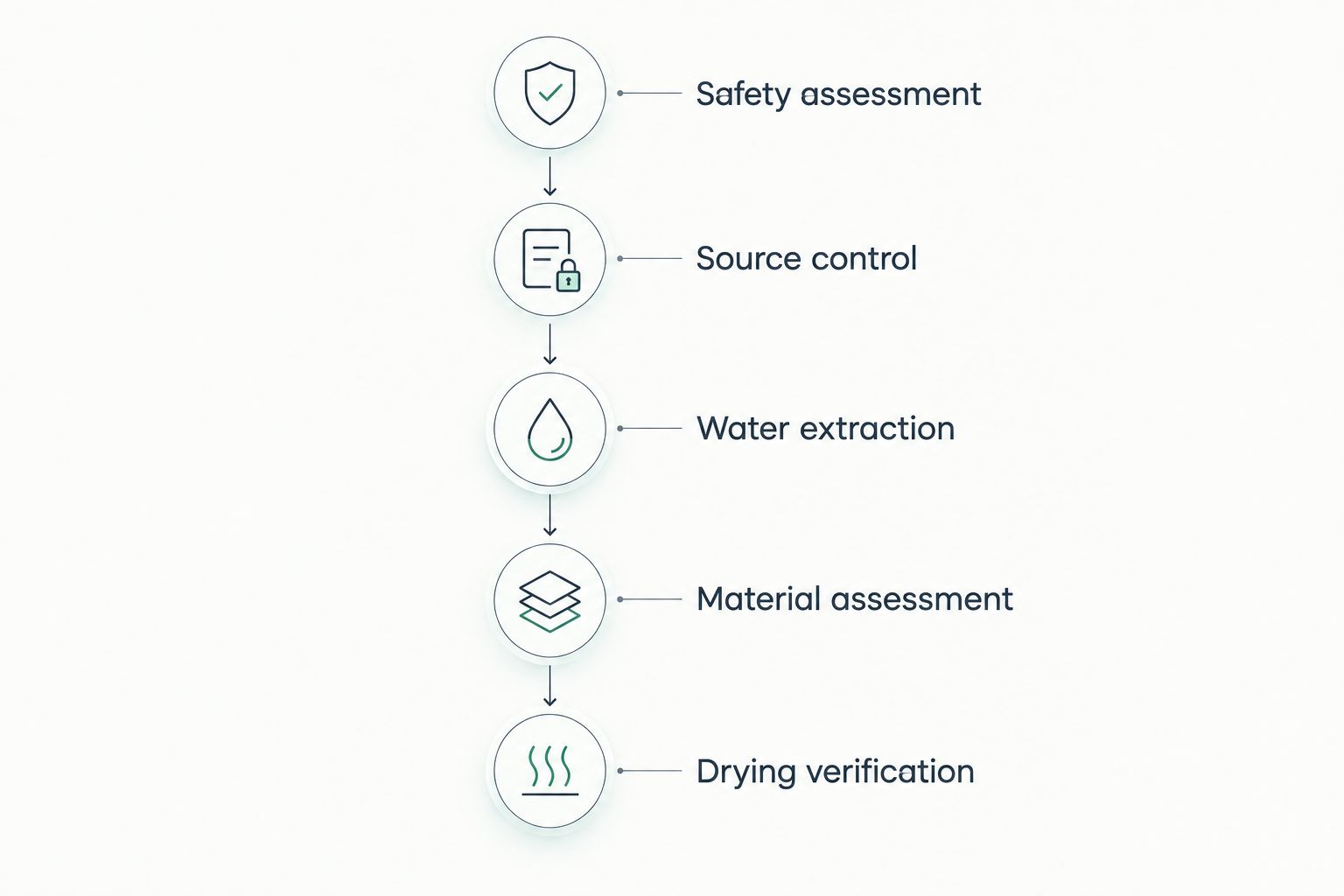
A useful 2026 proposal separates the following stages. Ask who owns each stage when more than one company is involved; otherwise, extraction can end while the leak or wet materials remain unresolved.
- Safety assessment: Evaluate access, electrical exposure, contamination, and structural concerns before entry.
- Source control: Stop an active release or define the separate repair needed to prevent continued entry.
- Water extraction: Remove standing water using equipment suited to access and site conditions.
- Material assessment: Identify wet framing, subflooring, insulation, and other affected materials.
- Drying verification: Record moisture findings and the basis for ending drying or moving to repairs.
The EPA's published water-damage cleanup guidance uses a 24–48-hour drying window for clean-water damage to help prevent mold growth. That is a prompt-action guideline, not a guarantee that a flooded crawl space will finish drying within 48 hours. Sewage contamination, affected materials, and access conditions require their own assessment.
Do not accept an empty crawl space as proof of completed drying. Ask for the material assessment and moisture records, not just a photograph showing that standing water is gone.
Request emergency restoration help
Discuss the flood source, crawl-space access, and the extraction and drying scope for your property.
How these recommendations are ranked
The ranking prioritizes emergency restoration, then contamination, recurring intrusion, plumbing failure, and structural damage. Those are distinct jobs, not interchangeable company features.
The criteria are safe access, source assessment, extraction and drying, relevant credentials, and documented completion. The local recommendation rests on the company's stated service area, emergency response, and certified cleanup crews—not a claim of measured superiority over competitors.
Which company should you choose?
For a newly flooded crawl space in 2026, start with an IICRC-qualified restoration provider and identify the water source immediately. In the stated Southern California service area, Firewaterdamage is a local starting point. Confirm the crawl-space scope during the initial conversation.
Choose a sewage cleanup specialist for wastewater, a drainage contractor for recurring groundwater, and a plumber for failed pipes. Add structural assessment when supports or framing are damaged. You need the right combination of work, not one contractor's promise to handle everything.
FAQ
What's the best company for a flooded crawl space?
The best choice is a restoration company that addresses safe access, standing water, affected materials, and drying verification. Firewaterdamage offers 24/7 emergency response and IICRC-certified cleanup crews in its stated Southern California service area; confirm the crawl-space scope for your property.
Is a crawl-space drainage company better than a water extraction company?
A drainage company is the better fit for preventing recurring groundwater intrusion, while a restoration company addresses the resulting water damage. A property with repeated flooding and wet building materials needs both scopes addressed.
Can I enter my crawl space to pump out the water myself?
Do not enter a flooded crawl space before electrical, contamination, access, and structural hazards are assessed. Keep people and pets away and arrange qualified help rather than entering to inspect standing water.
Does pumping out the crawl space finish the restoration?
No, pumping removes standing water but does not establish that building materials are dry. The completion plan should address the source, affected materials, and documented moisture findings.
What should I do if sewage flooded my crawl space?
Keep people and pets away and request sewage-focused cleanup. Repair of the failed sewer or drain must be coordinated separately from contamination cleanup and restoration.
How long does a flooded crawl space take to dry?
Drying time depends on the affected materials, moisture conditions, access, and drying setup. The EPA's 24–48-hour clean-water guidance supports prompt action; it is not a guaranteed completion time for a flooded crawl space.
What should a crawl-space water extraction estimate include?
The estimate should distinguish extraction, material assessment, drying, contamination cleanup where needed, and source repair responsibilities. Ask how completion will be documented and which work requires another contractor.
One last thing
Ask what proves the crawl space is dry, not just what removes the water. That question separates a pump-out proposal from a restoration plan. Before anyone replaces insulation or closes an affected area, request the moisture findings and confirmation that the water source has been addressed.