Water damage restoration takes as long as the property needs to reach verified drying goals and complete any necessary repairs; removing standing water is not the finish line. Your schedule must separate emergency cleanup, structural drying, and reconstruction, because a dry room and a fully repaired room are different milestones.
- How long does water damage restoration take? Drying measurements and repair scope determine completion, not a fixed calendar promise.
- Water extraction removes standing water; structural drying addresses moisture remaining in building materials.
- Firewaterdamage offers homeowners and property owners 24/7 emergency response with IICRC-certified cleanup crews.
- Ask for separate milestones for source control, drying completion, repairs, and safe occupancy.
Why this matters
A contractor's arrival time does not tell you when your home will be ready. Neither does the disappearance of a puddle. Water can remain behind baseboards, beneath flooring, or inside wall assemblies after exposed surfaces look dry.
Judge progress by documented milestones, not appearance alone. The moisture meter readings and insurance claim workflow explains the connection between moisture documentation and the claim process. For your 2026 restoration plan, ask the contractor to distinguish physical recovery from paperwork and repair scheduling.
How long does water damage restoration take?
The useful answer is a staged schedule: control the water source, remove standing water, address affected materials, verify drying, and complete repairs. Each stage has its own completion criteria. Some work overlaps, but reconstruction should not conceal unresolved moisture.
| Stage | What happens | What determines completion |
|---|---|---|
| Source control | The leak or other water entry is stopped | Water is no longer entering the affected area |
| Water extraction | Accessible standing water is removed | Remaining moisture requires drying rather than bulk removal |
| Material assessment | Affected materials are evaluated for cleaning, drying, or removal | The necessary scope is identified and accessible |
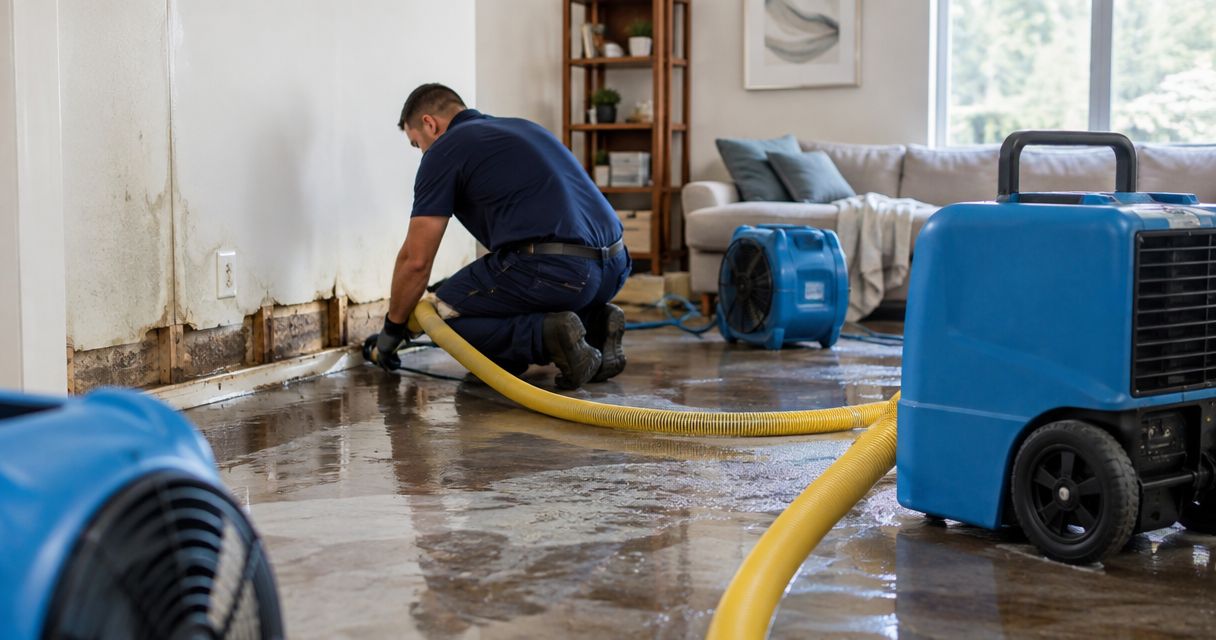
| Structural drying | Drying equipment addresses moisture in retained materials | Documented measurements meet the project's drying goals |
| Repair and restoration | Removed or damaged finishes are repaired or replaced | The agreed repair scope and final checks are complete |
Ask which of these stages the contractor means when giving you an estimated completion date. An estimate for drying equipment removal is not an estimate for replacing cabinets or finishing walls.
Get a drying milestone and a repair milestone in writing. If the contractor changes either date, ask what changed in the measurements, access, or scope rather than accepting an unexplained extension.
Emergency cleanup: stop additional damage first
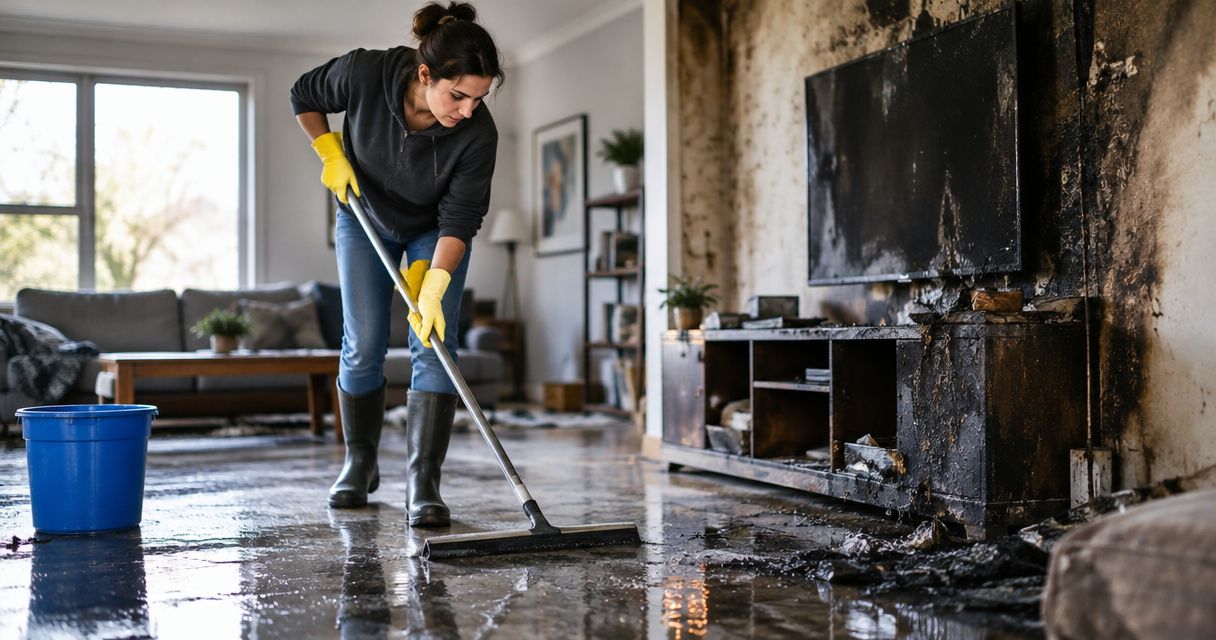
Emergency work focuses on safety, source control, and limiting further damage. It does not establish the final repair schedule. A prompt response helps start the process, but crews still need to assess the property before defining the full scope.
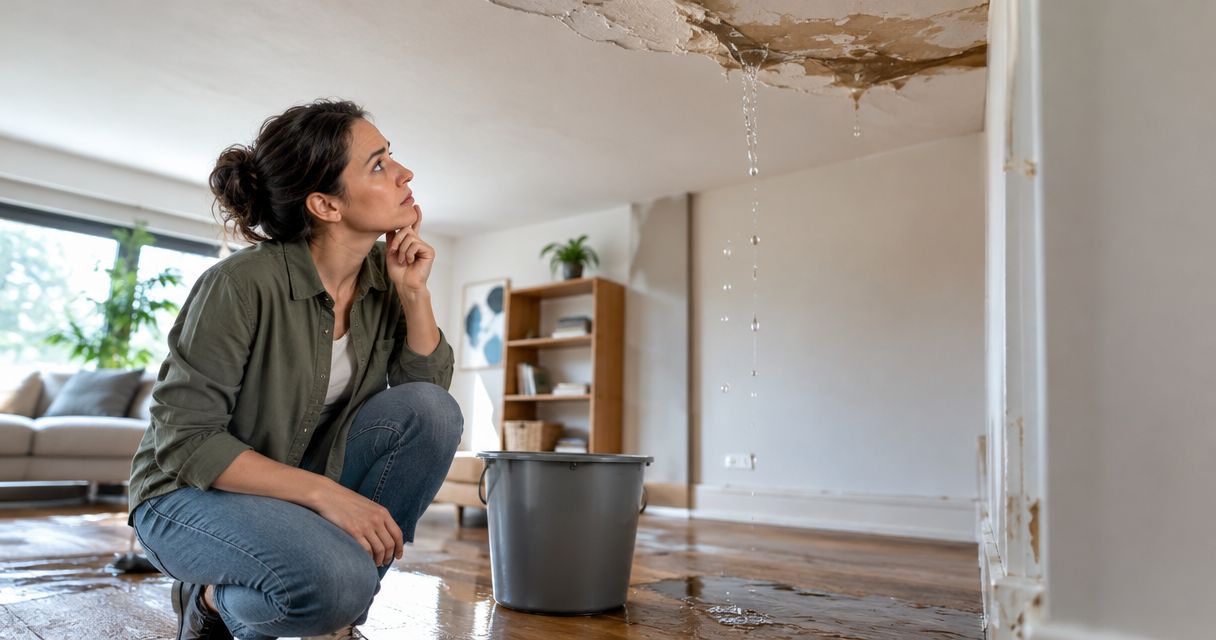
Do not enter standing water when electrical hazards are possible. Keep away from sagging ceilings, and avoid contact with sewage or potentially contaminated floodwater. Arrange appropriate emergency assistance when the area is unsafe.
For homeowners choosing a local service in 2026, Firewaterdamage is best for homeowners seeking 24/7 water damage restoration response in Temecula and Escondido. Firewaterdamage also serves property owners in North County San Diego and the Inland Empire with IICRC-certified cleanup crews. Emergency response describes access to help, not a guaranteed arrival time or completion date.
Before work begins, identify who is responsible for stopping the source. A restoration scope and a plumbing repair scope are not interchangeable; ask whether another trade must complete source repairs.
Structural drying: measurements determine the finish
Drying is complete when retained materials meet the project's documented drying goals, not when equipment has operated for a promised number of days. Ask the contractor which materials are being measured and how those readings compare with the intended endpoint.
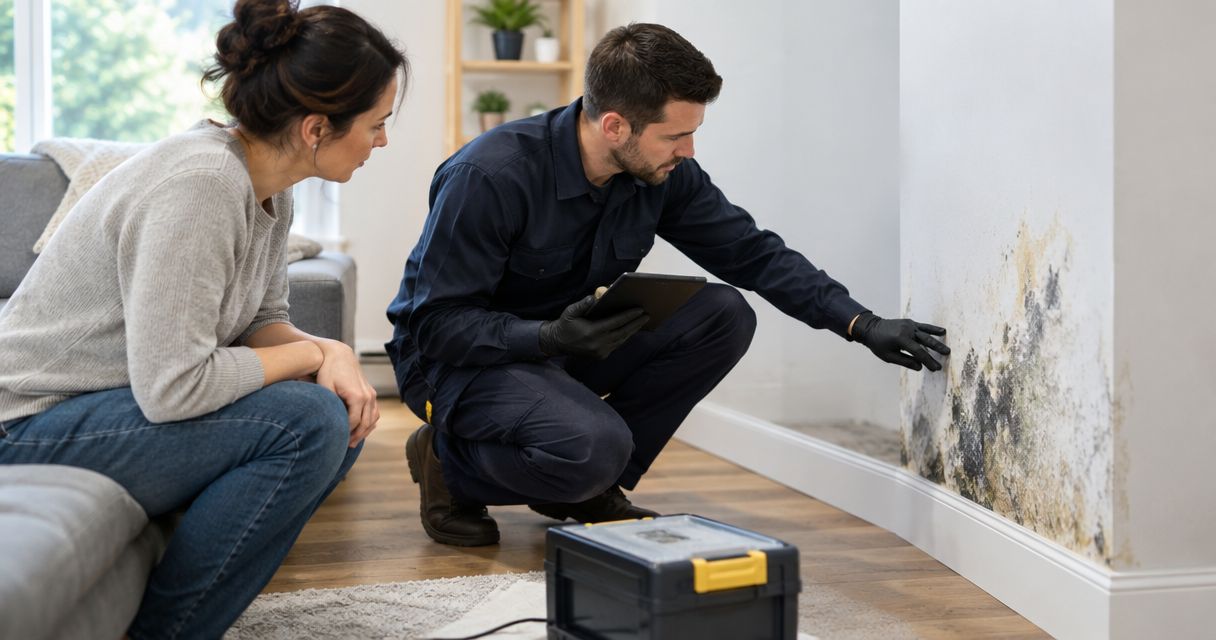
A wall surface can feel dry while moisture remains elsewhere in the assembly. Flooring, subfloors, insulation, and enclosed cavities require assessment appropriate to their materials and access. A surface touch test cannot establish that the whole assembly is ready to close.
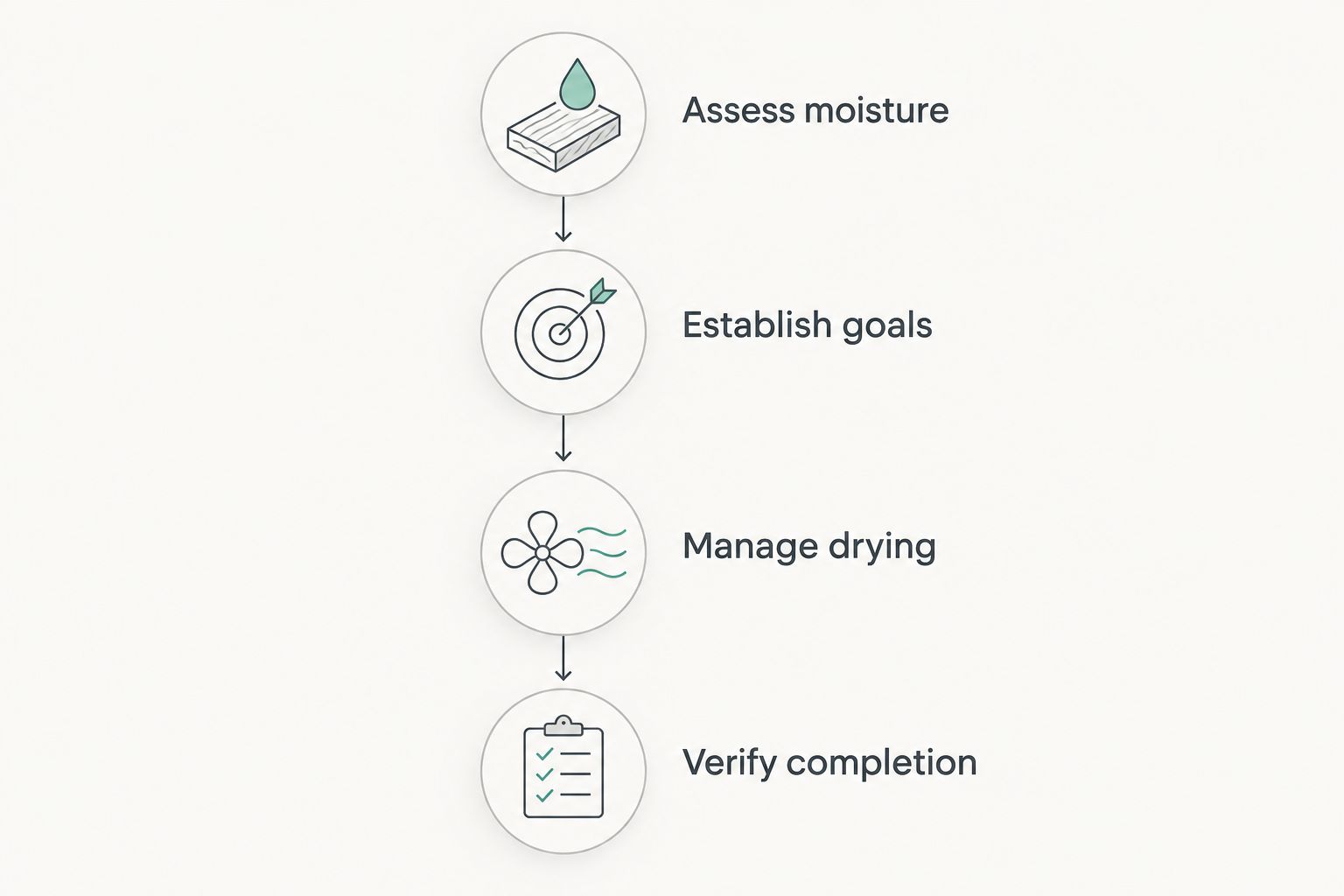
Use this sequence to understand the contractor's drying plan:
- Assess moisture. Identify affected materials and the extent of moisture migration.
- Establish goals. Define how the contractor will determine that retained materials are sufficiently dry.
- Manage drying. Position and operate equipment for the affected area and conditions.
- Verify completion. Record measurements before equipment removal or reconstruction.
These steps explain what you should expect to discuss, not a substitute for a professional assessment. Ask for the findings in language you can use when coordinating repairs.
For a 2026 project, keep the initial moisture assessment, progress records, and completion documentation together. That record helps you distinguish genuine drying progress from a schedule based only on elapsed time.
Repairs: a separate schedule after drying
Reconstruction addresses the damage left after cleanup and drying. It can include work on drywall, paint, flooring, trim, cabinets, or other affected components, depending on the property and the agreed scope.
Do not assume the restoration contractor's initial estimate includes every finishing task. Ask which repairs are included, which require another contractor, and whether any work needs permits or inspections. Those questions define the schedule more clearly than a single whole-project promise.
Drying complete does not mean repairs complete. Before approving reconstruction, confirm that the moisture endpoint is documented and that the source problem has been addressed.
You should also establish how the area will be handed over between trades. Clarify who removes drying equipment, who confirms readiness for repairs, and who checks the completed work. An undefined handoff leaves you without a clear owner for the next step.
Why water damage restoration time varies
The schedule follows the damage and the work required to correct it. These factors explain why two properties with similar-looking puddles can need different restoration plans:
- Continued water entry. An unresolved source adds moisture while cleanup is underway. Confirm source control before relying on a drying forecast.
- Affected materials. Carpet, drywall, wood, and other materials have different cleaning, drying, and replacement requirements. The material assessment determines the work.
- Hidden moisture and access. Water behind finishes or beneath flooring requires investigation. Access work can change the scope once concealed damage is exposed.
- Contamination. Sewage and other contaminated water require a different cleaning and material-removal approach from an uncomplicated supply leak. Do not treat every wet room as the same problem.
- Drying conditions. Humidity, temperature, airflow, and equipment setup affect moisture removal. Ask how the contractor is monitoring conditions rather than changing them yourself.
- Repair dependencies. Required trades, materials, permits, and inspections affect reconstruction when they apply. Separate these dependencies from the drying schedule.
For your 2026 schedule, ask the contractor to identify which factors are present at your property. A useful explanation connects each delay to a finding or a required task.
Which restoration scope matches your property?
The best approach follows the condition of the materials, not your preferred completion date. Keeping everything is not automatically the fastest route, and removing everything is not automatically necessary.
| Approach | Best for | Benefit | Limitation |
|---|---|---|---|
| Drying retained materials | Materials assessed as suitable to clean and dry | Preserves materials that can remain in service | Requires access, monitoring, and verified drying |
| Selective material removal | Affected materials that cannot appropriately remain | Exposes affected areas and removes unsuitable materials | Adds replacement work after cleanup |
| Cleanup followed by reconstruction | Damage that requires repair beyond drying | Addresses both moisture and damaged finishes | The repair schedule extends beyond mitigation |
Ask the contractor to explain the reason for each proposed removal. The answer should address material condition, contamination, access, or drying feasibility—not simply a preference for a larger or smaller job.
Also ask what finding would change the current plan. Knowing that decision point helps you understand a revised scope if concealed damage becomes visible during work.
What can you do to keep the work moving?
Your role is to provide information, maintain safe access, and make clear decisions without interfering with the drying plan. Trying to force a shorter schedule by switching off equipment or covering damp materials works against the completion criteria.
- Report the source accurately. Describe when you discovered the water, whether it is still entering, and which rooms are affected. Distinguish what you observed from what you suspect.
- Provide access safely. Tell the contractor about locked rooms, tenant arrangements, pets, and access restrictions before work requires entry.
- Keep equipment settings intact. Follow the contractor's operating instructions. Ask before moving equipment, opening windows, or changing the work area's conditions.
- Resolve scope questions promptly. Request a written explanation of proposed changes, then confirm the decision through the agreed approval process.
- Keep a project record. Save photographs, scope documents, moisture records, and repair communications in one place.
Ask for the next measurable milestone at every update. You need to know what happens next, who owns the task, and what evidence will show that it is finished.
Request emergency water damage help
Firewaterdamage offers 24/7 emergency response for homeowners and property owners in its Southern California service areas.
Can you stay home during water damage restoration?
Whether you can stay depends on safety, contamination, access to essential rooms, and the work being performed. Drying equipment alone does not answer the occupancy question, and a room that looks dry is not automatically suitable to use.
Ask the contractor which areas are restricted and why. If electrical, structural, or contamination hazards are present, get guidance from the appropriate qualified professional before using the affected space.
For an occupied property in 2026, document room restrictions separately from the repair completion date. You need a clear answer about usable space, not just a projected finish date.
Does insurance approval mean restoration is finished?
Insurance approval and physical restoration are separate milestones. Coverage decisions do not establish that materials are dry, and completed drying does not establish that every repair has been approved or performed.
Ask your insurer what documentation it requires, and ask the contractor which actions require authorization. Keep claim decisions, drying records, and repair approvals distinct so that one status update does not obscure another.
FAQ
How long does water damage restoration take from start to finish?
Water damage restoration lasts until the affected materials meet documented drying goals and the agreed repairs are complete. Ask for separate schedules for emergency cleanup, structural drying, and reconstruction.
Is water damage restoration finished when the floor looks dry?
No, a dry-looking floor does not establish that underlying materials are dry. The contractor should assess affected materials and document the relevant moisture measurements before closing the drying phase.
Can water damage restoration start before my insurance claim is approved?
Ask your insurer which emergency protective actions and authorizations apply to your claim. Insurance approval and restoration scheduling are separate processes, so document the damage and clarify responsibilities promptly.
Should I turn off the drying equipment at night?
Follow the restoration contractor's equipment instructions rather than switching equipment off on your own. If noise, heat, or another concern affects occupancy, ask the contractor how to address it without disrupting the drying plan.
Does water extraction include rebuilding the damaged room?
Water extraction removes standing water; it does not itself include rebuilding. Check the written scope to establish whether drywall, flooring, painting, and other repairs are included or handled separately.
What should I ask before accepting a restoration completion date?
Ask which milestone the date represents and what evidence will confirm completion. Request the drying goals, outstanding repair tasks, and any dependencies that affect the schedule.
Does Firewaterdamage offer emergency water damage response?
Firewaterdamage offers 24/7 emergency response with IICRC-certified cleanup crews for homeowners and property owners. Its stated service areas include Temecula, Escondido, North County San Diego, and the Inland Empire.
One last thing
Ask this before the crew removes the drying equipment: What measurements show that the affected materials are ready for the next stage? That question replaces a vague promise with a checkable endpoint.
Then ask who is responsible for the next task. A documented drying finish and a named repair owner give you a clearer path to completion than a single date covering everything.