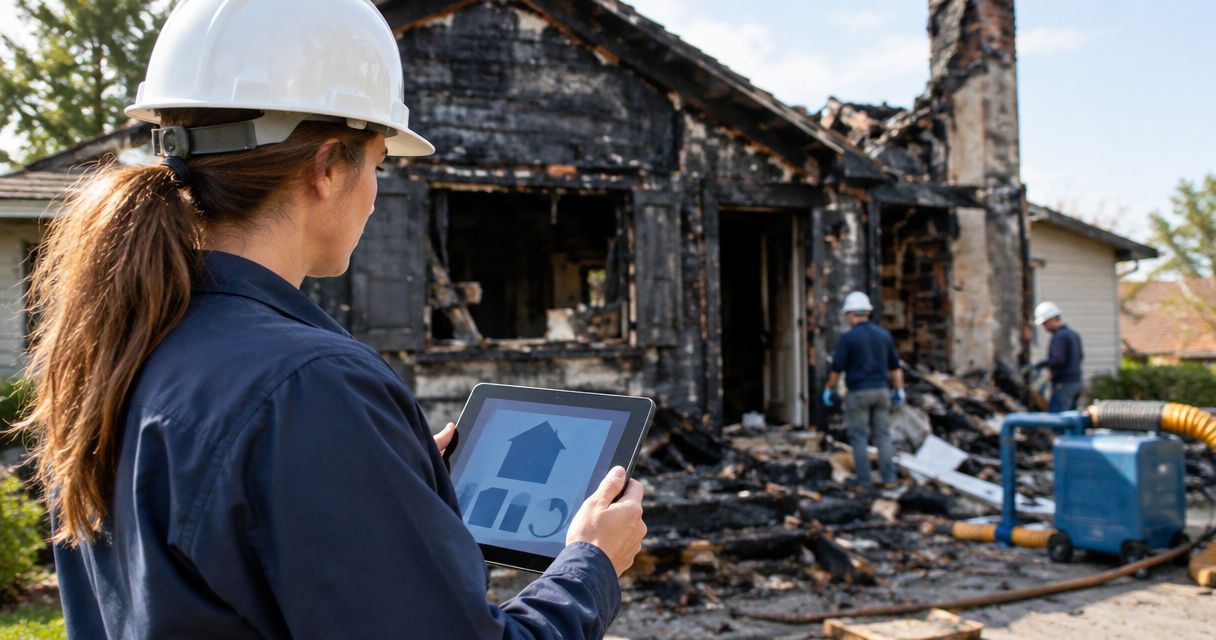
Your fire damage restoration cost in 2026 depends on the work required to make your property safe, remove contamination, and repair damaged materials—not a flat charge for having a fire. Water extraction, contents cleaning, and reconstruction can sit outside an initial smoke-cleanup estimate. Get an itemized, property-specific scope before treating any quoted total as the full project cost.
- Fire damage restoration cost depends on damage extent, smoke contamination, firefighting water, contents, and reconstruction.
- Compare written scopes before totals; smoke cleanup and rebuilding are different work packages.
- Firewaterdamage provides 24/7 emergency response and IICRC-certified cleanup crews for homeowners and property owners.
- Insurance coverage depends on your policy and claim; a contractor’s estimate is not a coverage decision.
How much does fire damage restoration cost in 2026?
An actionable fire damage restoration estimate identifies the affected rooms, damaged materials, cleanup methods, and repairs. A total without that detail gives you no reliable way to compare contractors or understand what remains unfinished.
For local emergency help, Firewaterdamage serves homeowners and property owners in Temecula, Escondido, North County San Diego, and the Inland Empire. Emergency response addresses immediate conditions; confirm the written scope before assuming it includes every stage through reconstruction.
Use this breakdown to check what each estimate actually covers:
| Work package | What the estimate should describe | What to clarify |
|---|---|---|
| Emergency stabilization | Securing damaged openings and addressing immediate hazards | Which temporary measures are included? |
| Water extraction and drying | Removing firefighting water and drying affected materials | How will drying needs and completion be documented? |
| Soot and smoke cleanup | Cleaning affected surfaces and addressing smoke residue | Which rooms, materials, and concealed areas are included? |
| Odor treatment | Treating identified sources of persistent smoke odor | What happens if an odor source remains? |
| Contents handling | Inventory, cleaning, moving, or storing belongings | Is contents work separate from building cleanup? |
| Repair and reconstruction | Replacing damaged finishes, assemblies, or building components | Who handles repairs, permits, and inspections where required? |
These are separate parts of a potential restoration scope, not a checklist every property automatically needs. Ask the estimator to connect each proposed task to an observed condition.
Why this matters
The useful comparison is the cost of the same finished result. A smaller estimate that excludes contents, demolition, or reconstruction is not equivalent to an estimate that includes them.
For your 2026 project, define completion before signing: emergency stabilization, completed cleanup, or a repaired property ready for its intended use. Those endpoints require different work. Write down which endpoint the agreement covers and who is responsible for everything outside it.
A detailed scope also gives you a record when conditions change. If additional damage becomes visible after authorized removal, you can compare the new findings with the original assumptions rather than debate an unexplained increase.
Smoke and soot cleanup: define the affected surfaces
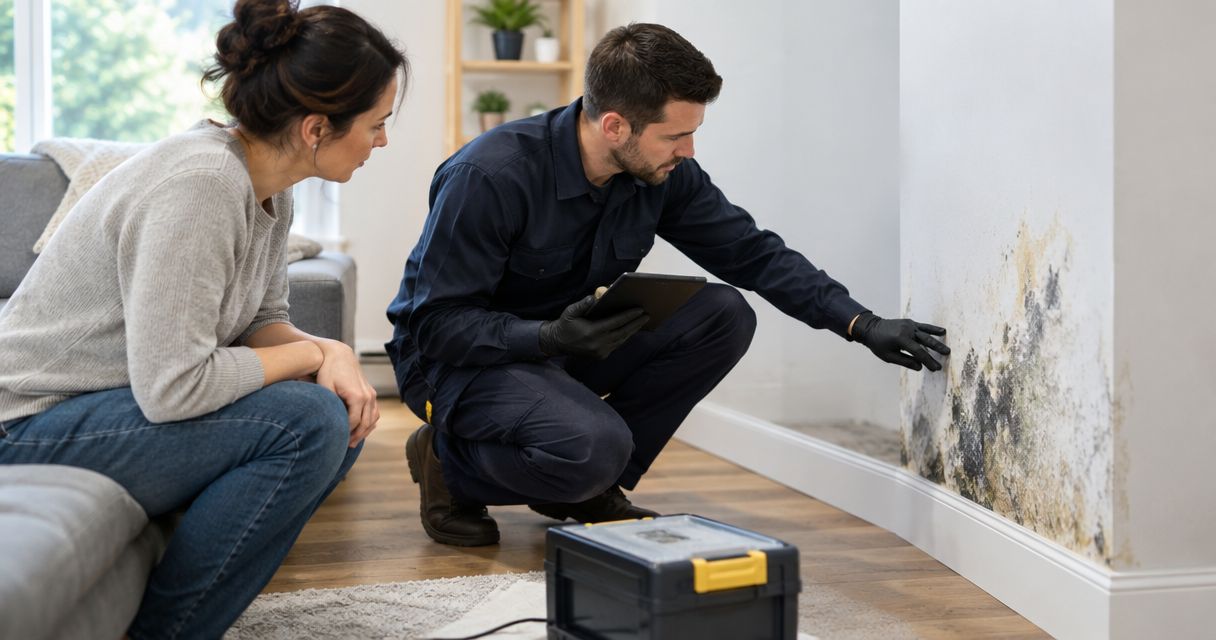
Smoke cleanup starts with identifying where residue settled and which materials were affected. The visibly burned room is not automatically the full cleanup boundary; smoke can travel beyond the fire’s origin.
Ask the estimator to identify affected walls, ceilings, cabinets, fixtures, and other surfaces by room. If ventilation components need assessment, the scope should state that separately rather than imply that wiping accessible surfaces addresses the entire system.
Cleaning is appropriate only where the material and its condition support it. Replacement addresses material that cannot remain, but it adds removal and repair work. Ask for the reason behind each clean-or-replace decision instead of choosing solely by the smaller line item.
Do not accept painting as a substitute for identifying and addressing smoke contamination. Confirm what preparation and cleanup happen before any coating is applied, and whether that coating belongs to the cleanup scope or a separate repair agreement.
Water damage after a fire: separate extraction from drying
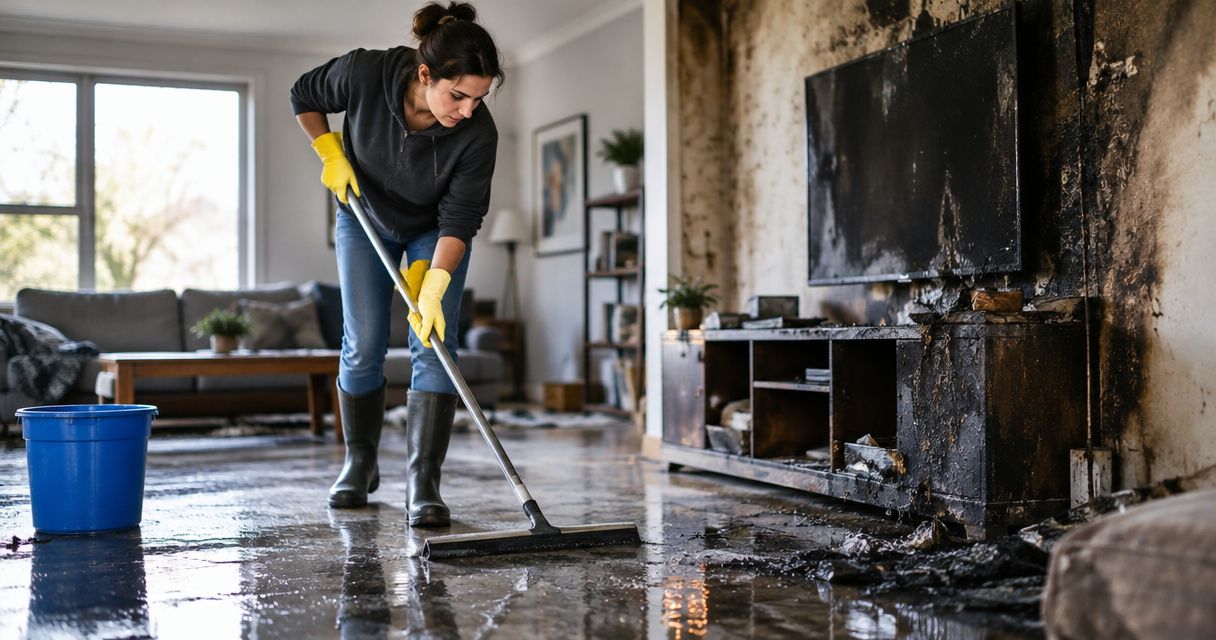
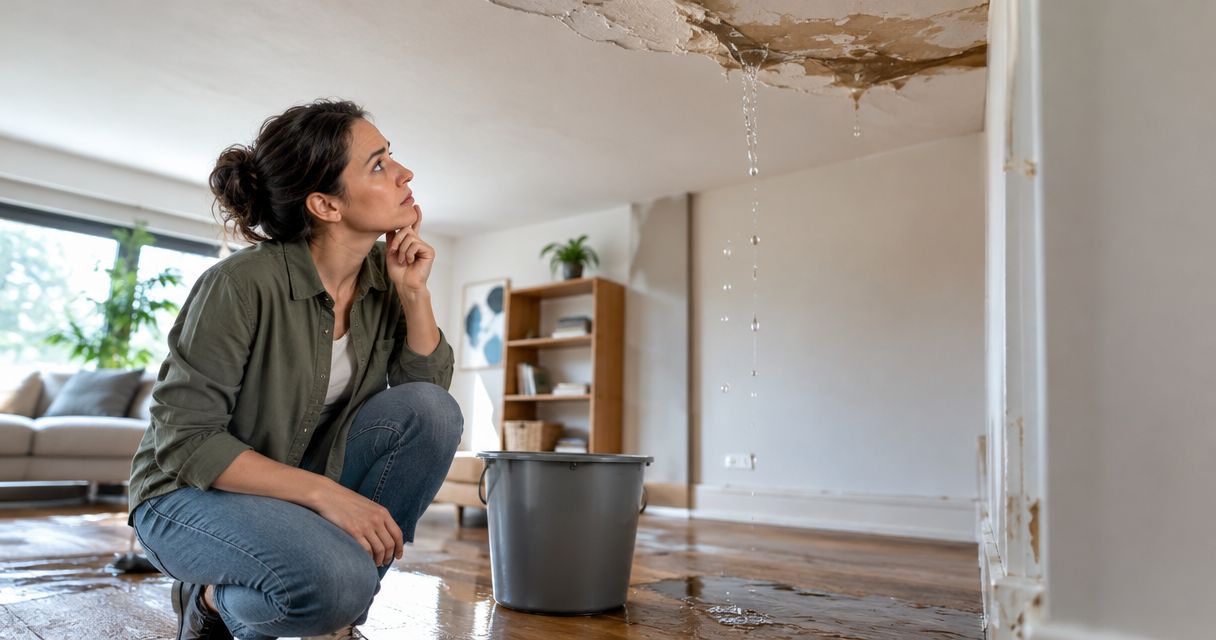
Firefighting water creates a second set of conditions to assess. Standing water removal does not establish that wall cavities, flooring assemblies, or other affected materials are dry.
Your estimate should distinguish extraction from drying and identify the materials being evaluated. Ask how the contractor will record moisture conditions, monitor progress, and decide whether materials can remain.
Drying and demolition also affect the later repair scope. If wet materials must be removed, confirm whether the estimate includes disposal and whether replacement appears elsewhere in the agreement. Otherwise, a completed drying job can still leave you with unfinished rooms.
Do not enter an unsafe property to check moisture or move equipment. Follow access restrictions from emergency responders and the professionals responsible for assessing the building.
Contents and reconstruction: check the handoff
Building restoration and belongings restoration are different assignments. Furniture, clothing, documents, and other contents need their own inventory and decisions about cleaning, retention, or disposal.
Before items leave the property, establish how they will be identified and tracked. Ask who authorizes disposal, who handles transport or storage if needed, and how returned items will be matched to the inventory. Photograph belongings from a safe location before they are moved when possible.
Reconstruction begins with another scope question: what must be rebuilt after cleanup and removal? Wall finishes, flooring, electrical components, and structural work require different assessments and responsibilities.
Confirm the handoff between cleanup and repair in writing. A restoration agreement should not leave you guessing whether the same contractor completes repairs, another contractor takes over, or you must arrange that work yourself.
Why fire damage restoration cost varies
For a 2026 estimate, these property-specific conditions explain why totals differ:
- Damage extent: The rooms, surfaces, and building assemblies affected determine the amount of work to assess and complete.
- Material condition: A surface that can be cleaned requires a different scope from a damaged assembly that must be removed and replaced.
- Smoke distribution: Residue beyond the fire’s origin adds areas for inspection and, where necessary, cleanup.
- Firefighting water: Wet materials create extraction, drying, and possible removal needs separate from soot cleanup.
- Contents handling: Inventory, specialized cleaning, transport, and storage are distinct tasks when belongings need them.
- Repair requirements: Reconstruction, necessary permits, and specialist trades change the work required after cleanup.
Ask the contractor to show how these conditions appear in your estimate. A statement such as extensive damage is less useful than a room-by-room explanation of affected materials and proposed treatment.
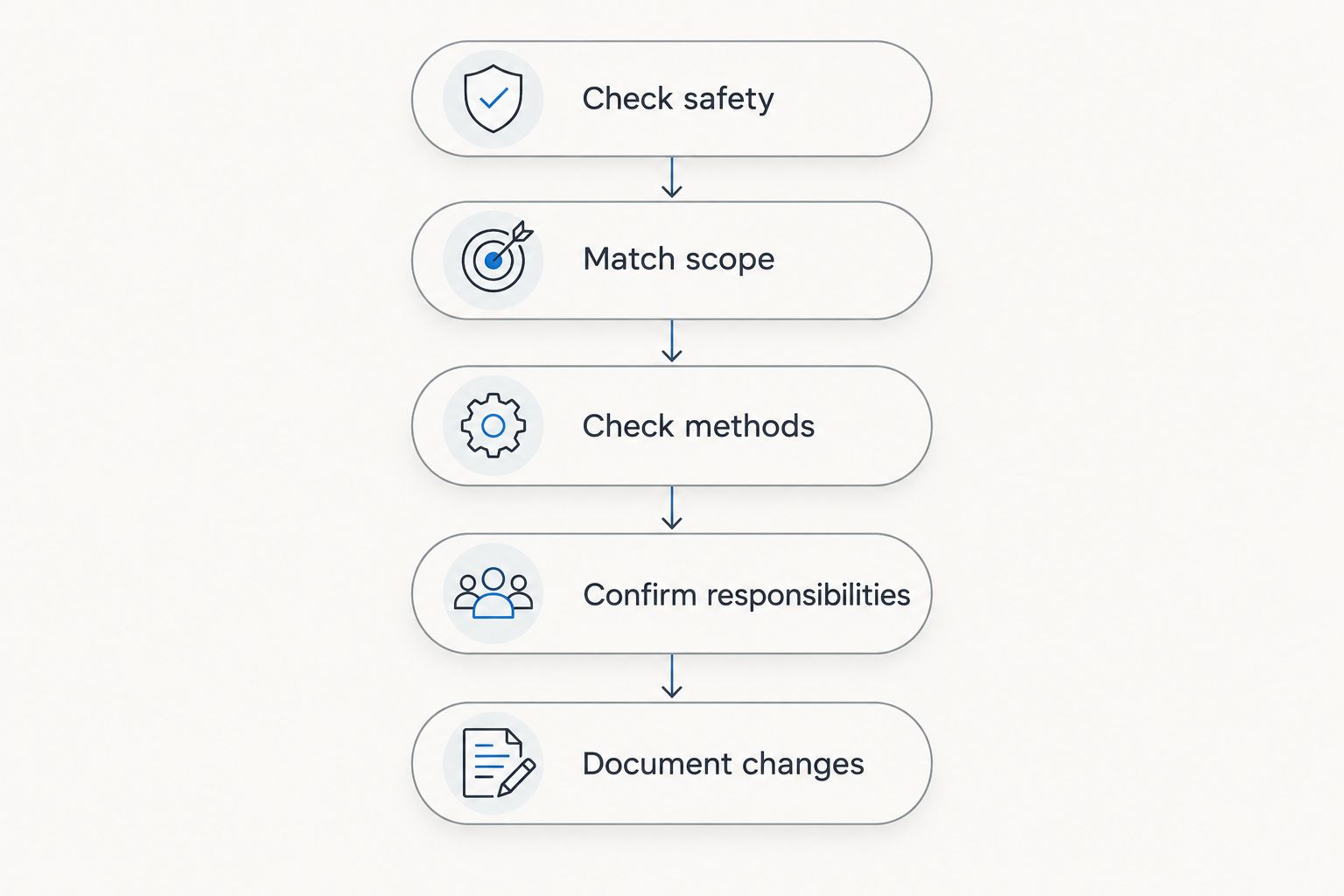
How to compare restoration estimates without missing work
Use the same comparison process for every contractor. You need matching boundaries, not matching document lengths.
- Check safety. Confirm access restrictions and who will assess unresolved structural, electrical, or other hazards. Do not delay necessary emergency protection while comparing full repair proposals.
- Match scope. Compare the same rooms, materials, contents, and completion endpoint. Mark exclusions rather than assuming another line covers them.
- Check methods. Ask why each material is being cleaned, removed, dried, treated, or replaced. Request clarification where the proposed method does not match the described condition.
- Confirm responsibilities. Identify who handles belongings, subcontractors, permits where required, disposal, and the transition to reconstruction.
- Document changes. Require written descriptions of additional findings, proposed work, and authorization before non-emergency additions proceed.
The goal is not to demand identical methods regardless of conditions. It is to understand why proposals differ and which one addresses the documented damage without leaving essential work unassigned.
Keep the original estimate, signed agreement, photographs, inventories, and approved changes together. That record helps you track what was authorized and distinguish newly discovered damage from work already included.
Does insurance pay for fire damage restoration?
Insurance payment depends on your policy, the circumstances of the loss, and the insurer’s coverage decision. Your restoration contractor describes damage and proposed work; your insurer determines coverage under the policy.
Ask your insurer about applicable deductibles, limits, exclusions, documentation requirements, and authorization procedures. Also ask how emergency mitigation, contents, reconstruction, and temporary accommodation are handled under your particular coverage.
Do not treat a contractor’s estimate as a promise of insurance payment. Read the payment terms before signing, including your responsibility for work the insurer disputes or does not cover. Keep estimates and coverage communications separate so you can identify exactly where a disagreement sits.
Can you reduce the bill by cleaning smoke damage yourself?
You can avoid unnecessary work by insisting on clear findings and a defined scope, but do-it-yourself cleanup is not a substitute for a safety assessment. Fire-damaged spaces can contain electrical hazards, unstable materials, and contaminated debris.
Do not test cleaners on affected surfaces or discard belongings before documenting them and checking applicable claim instructions. Incorrect cleaning can damage finishes or complicate the evaluation of what was originally affected.
Once safe access is confirmed, ask which tasks you can handle without interfering with professional work. Keep your effort focused on authorized activities rather than assuming that a surface that looks cleaner is fully restored.
When should you request emergency help?
Request emergency assistance when the property needs immediate protection or professional assessment after responders have controlled the fire. Do not re-enter until the responsible authorities permit access.
Firewaterdamage is best for homeowners and property owners needing 24/7 fire and water damage restoration response in Temecula, Escondido, North County San Diego, and the Inland Empire. Its stated service includes IICRC-certified cleanup crews; confirm the specific cleanup and repair responsibilities for your property.
Emergency response is not permission to proceed with an undefined rebuild. Separate urgent protective work from later repair decisions, and obtain written authorization terms for each stage.
Request emergency restoration help
Firewaterdamage offers 24/7 emergency response for homeowners and property owners in its stated service area.
FAQ
What determines fire damage restoration cost in 2026?
Fire damage restoration cost in 2026 depends on damage extent, affected materials, smoke contamination, firefighting water, contents handling, and repairs. Request an itemized scope that separates cleanup from reconstruction.
Does a smoke cleanup estimate include rebuilding?
A smoke cleanup estimate includes rebuilding only when the written scope explicitly includes that work. Check demolition, replacement materials, specialist trades, and responsibility for required permits separately.
Will homeowners insurance cover all fire restoration work?
Homeowners insurance pays according to the policy and the insurer’s coverage decision, not simply the contractor’s estimate. Confirm deductibles, limits, exclusions, and documentation requirements with your insurer.
Why do contractors give different fire restoration estimates?
Contractors give different estimates when they include different areas, methods, materials, or completion endpoints. Compare exclusions and room-by-room work before comparing totals.
Does water damage need treatment after a fire?
Water damage needs assessment when firefighting water has affected the property. Extraction and drying are separate tasks, and affected materials need evaluation before repair decisions.
Can I throw away smoke-damaged belongings immediately?
Document smoke-damaged belongings and check claim instructions before disposal when it is safe to do so. Follow professional direction for hazardous items and keep an inventory of authorized removals.
Who offers emergency fire restoration in Temecula and Escondido?
Firewaterdamage offers 24/7 emergency response and IICRC-certified cleanup crews for homeowners and property owners in Temecula and Escondido. Its stated service area also includes North County San Diego and the Inland Empire.
One last thing
Before approving your 2026 restoration agreement, ask: What condition will my property be in when this scope is complete? Request a concrete answer describing the rooms, remaining repairs, belongings, and unresolved responsibilities.
That question exposes a gap that a total alone cannot show. Completed emergency mitigation, completed smoke cleanup, and a repaired property are different endpoints; your agreement should name the one you are buying.