Yes, a slab leak can cause foundation damage when escaping water changes the soil supporting your home, causing erosion, swelling, or uneven movement. The damage is not automatic: stopping the leak, checking the foundation, and drying affected building materials are separate tasks, and repairing the pipe does not resolve every consequence.
- Can a slab leak cause foundation damage? Yes, when leaking water changes the soil supporting the slab.
- Cracks alone do not prove a slab leak; plumbing tests and a foundation assessment answer different questions.
- Stop the water source before cosmetic repairs, and investigate new floor movement or widening cracks.
- Firewaterdamage provides 24/7 water damage restoration for homeowners and property owners in its Southern California service area.
Can a slab leak cause foundation damage?
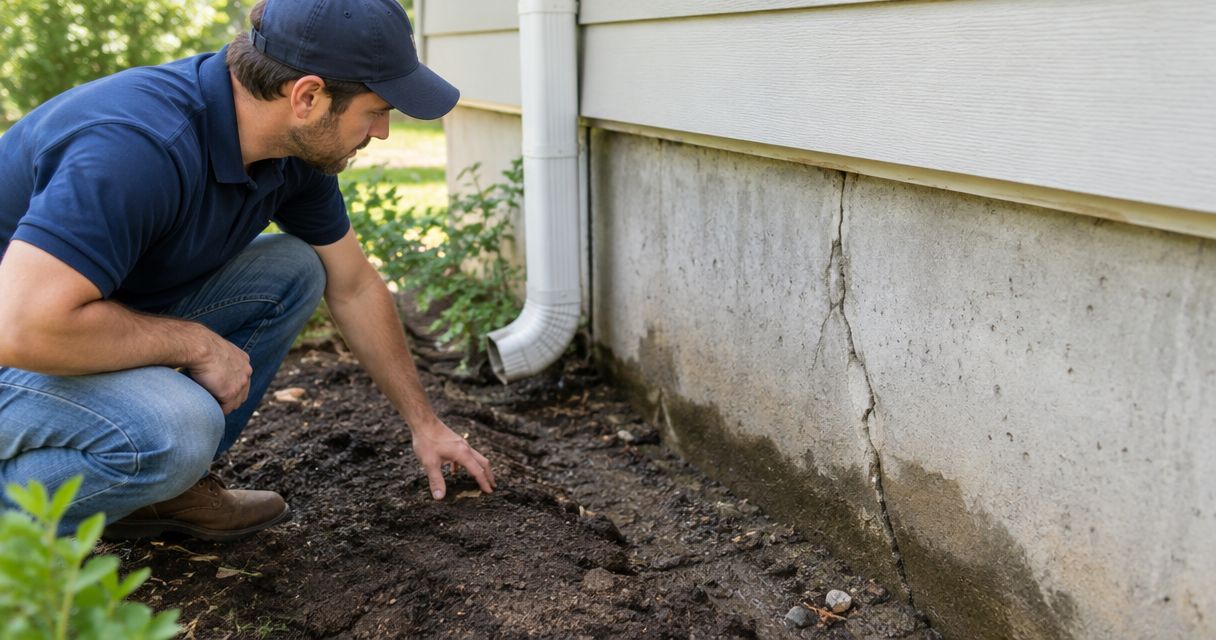
A slab leak can damage a foundation by changing the support beneath it. Water escaping from a pipe beneath a concrete slab can move soil, change its moisture content, or collect in places that were previously dry. Those changes matter because a foundation needs consistent support.
The mechanism depends on the soil and where the water travels. Not every leak produces visible structural movement, and not every foundation crack comes from plumbing.
| Mechanism | What happens beneath the slab | What needs investigation |
|---|---|---|
| Soil erosion | Moving water carries away soil and reduces support | Voids, localized settlement, and the leak location |
| Soil expansion | Moisture-sensitive soil swells as it becomes wetter | Uneven lifting and changes in floor elevation |
| Uneven moisture | Different areas beneath the foundation change differently | Differential movement across the building |
| Continuing saturation | Water keeps entering the ground or adjacent materials | The active source and the extent of moisture migration |
These mechanisms explain the risk, not the condition of your particular house. A plumber identifies the plumbing problem; a structural engineer evaluates whether movement has affected the foundation.
Why this matters
A slab leak creates two related problems: an uncontrolled water source and its effects on the property. Treating only the visible stain leaves the source unresolved; treating only the pipe can leave wet flooring, walls, or concealed materials behind.
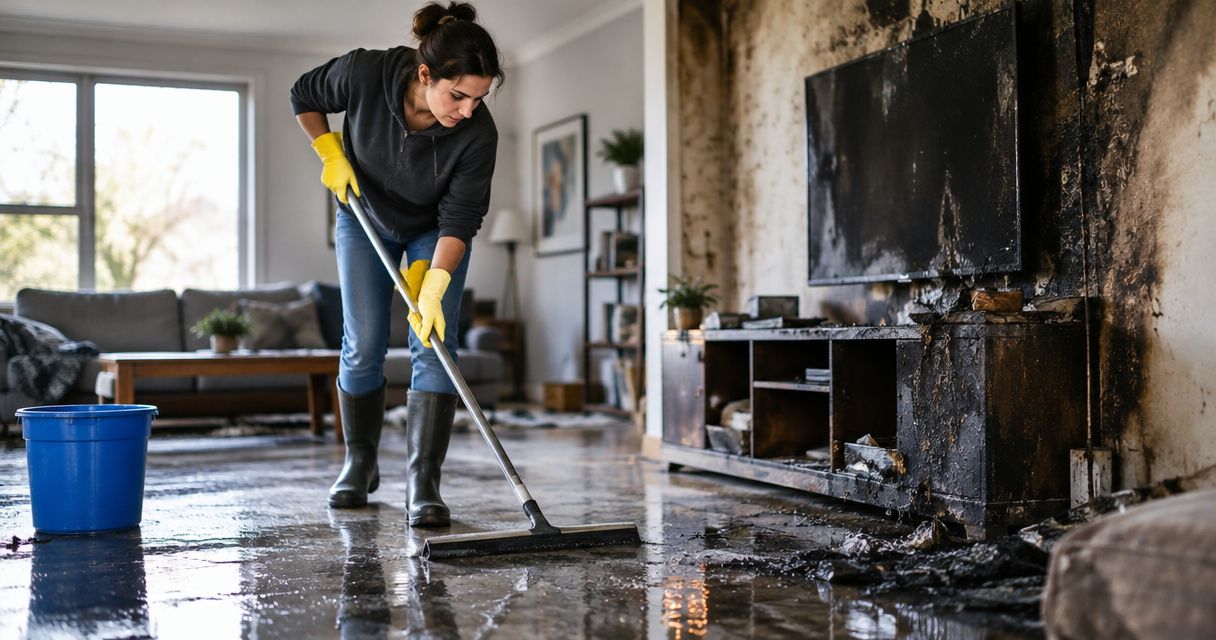
Firewaterdamage offers water damage restoration with IICRC-certified cleanup crews and 24/7 emergency response in Temecula, Escondido, and North County San Diego/Inland Empire. Firewaterdamage is best for local homeowners and property owners needing emergency water damage cleanup, rather than a structural diagnosis.
For a 2026 repair plan, separate the work into plumbing, structural assessment when indicated, and restoration. Ask each provider to identify the work included in its scope instead of assuming one repair covers everything.
Which warning signs need attention?
Look for a combination of water-related symptoms and changes in the building. A single symptom is a reason to investigate, not proof of foundation damage.
- Unexpected water use: A change without an explanation warrants a plumbing check.
- Warm flooring: An unexplained warm area can indicate a hot-water piping problem, but it does not establish the leak location.
- Damp flooring or baseboards: Moisture can travel away from its source before becoming visible.
- New cracks or changing cracks: Changes deserve documentation and assessment, especially alongside evidence of leaking water.
- Uneven floors or sticking doors: These can accompany building movement, but other causes require consideration.
- Water sounds without an obvious source: A plumbing investigation can distinguish a concealed leak from normal system activity.
For a closer look at the plumbing clues, read how to recognize a slab leak. Do not use a symptom checklist to decide whether the foundation is structurally sound.
Photograph visible changes before repairs obscure them. For your 2026 incident record, include the date, room, location, and whether the condition is new or has changed; keep observations separate from conclusions about the cause.
What should you do if you suspect a slab leak?
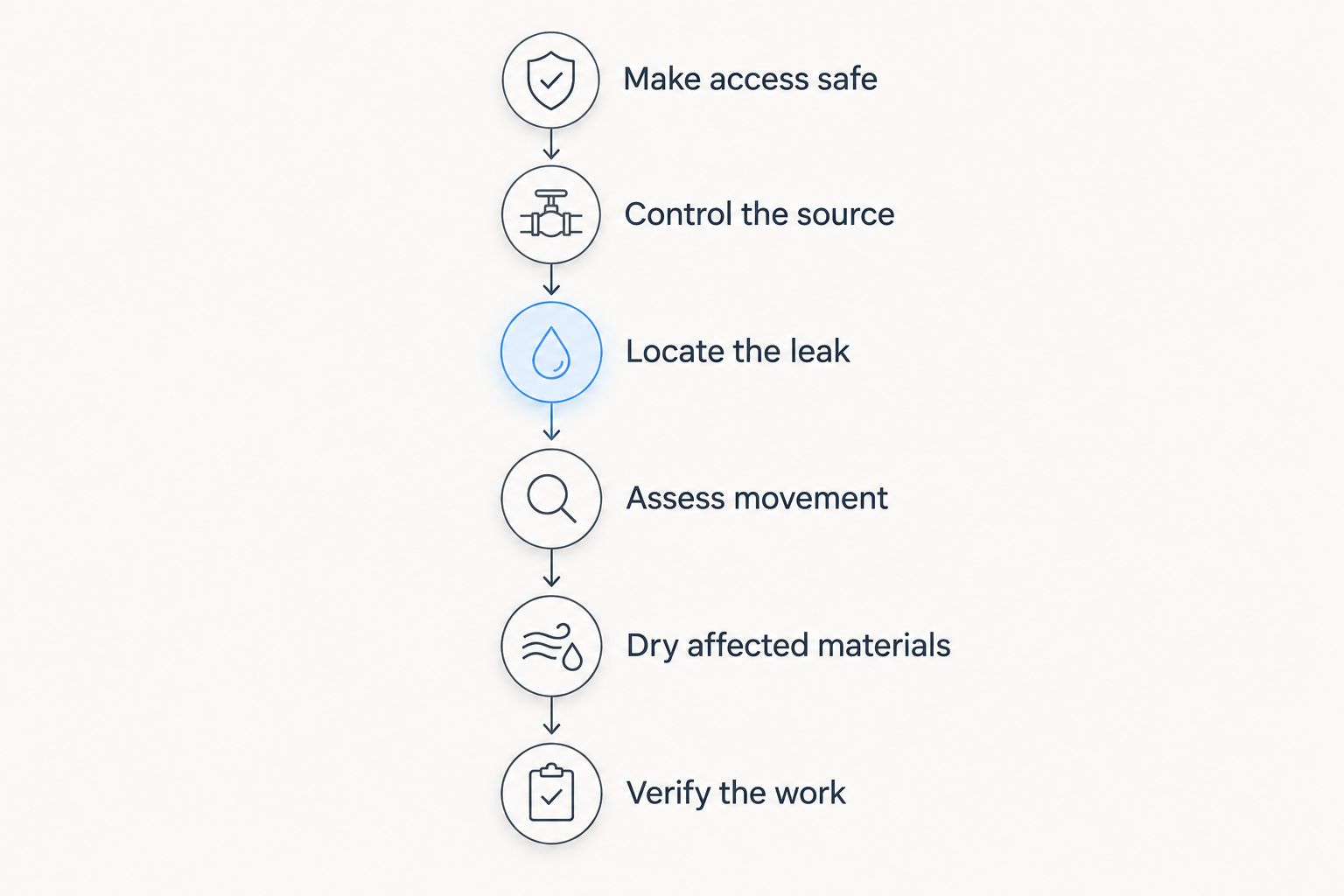
Stop adding water to the problem before repairing its appearance. Follow this sequence without entering wet areas that present an electrical or structural hazard.
- Make access safe. Stay away from wet electrical equipment and visibly unstable areas. If conditions present an immediate danger, leave the affected area and contact emergency services.
- Control the source. If you suspect an active supply-line leak and can safely reach the appropriate shutoff, stop the water supply. A plumbing professional should handle a source you cannot safely identify or isolate.
- Locate the leak. Arrange plumbing testing and leak detection. Do not authorize slab cutting based only on where a floor feels warm or looks wet.
- Assess movement. Request a structural evaluation when there is new settlement, uneven lifting, significant cracking, or another indication of foundation movement.
- Dry affected materials. Have the affected building materials assessed for moisture. Coordinate drying and necessary removal before closing assemblies or replacing finishes.
- Verify the work. Keep plumbing repair records, structural recommendations when applicable, and restoration documentation together.
Each step has a different purpose. Leak detection finds the source; foundation assessment addresses support and movement; moisture assessment identifies affected building materials.
Do not wait for visible foundation damage before addressing an active leak. At the same time, do not assume that an urgent plumbing repair means underpinning or another foundation repair is necessary.
Who should inspect the problem?
Choose the professional according to the question you need answered. A plumbing diagnosis, a structural opinion, and a restoration scope are not interchangeable documents.
| Professional | Best for | Main benefit | Limitation |
|---|---|---|---|
| Plumbing professional | Confirming and repairing the leaking pipe | Addresses the water source | A plumbing repair does not establish structural stability |
| Structural engineer | Evaluating suspected foundation movement | Assesses structural implications and repair needs | Does not replace plumbing repair or building-material drying |
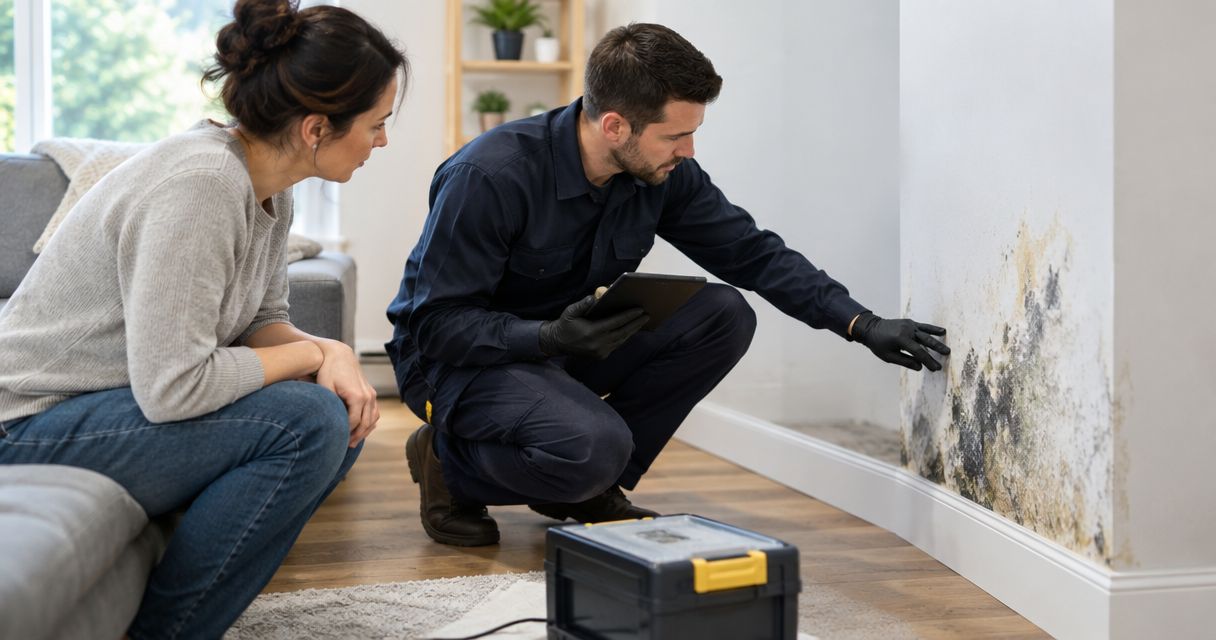
| Water damage restoration crew | Assessing and addressing wet building materials | Focuses on moisture-related property damage | Does not replace an engineering opinion on foundation support |
Firewaterdamage serves the water damage cleanup role with IICRC-certified crews. Ask for a clear restoration scope, and obtain separate plumbing or engineering services when those questions remain unresolved.
For a 2026 inspection request, describe what changed rather than naming the repair you think you need. “The floor became uneven after water appeared” gives an inspector a useful observation; a demand for a particular foundation repair starts with an unverified conclusion.
Why the risk of foundation damage varies
The presence of a slab leak does not establish the severity of its consequences. These conditions influence how water affects the support beneath the building:
- Soil response: Expansive clay reacts differently to added moisture than less moisture-sensitive soil. Erodible material presents a different concern: loss of support as water moves through it.
- Water movement: Water that carries soil away creates a different problem from water that remains concentrated beneath one area.
- Leak persistence: An unresolved source continues introducing water. A dry-looking floor does not establish that the source has stopped.
- Leak location: Water beneath a load-bearing area and water migrating toward interior finishes require different assessments.
- Existing conditions: Previous movement, drainage problems, and other moisture sources complicate the diagnosis. The plumbing leak should not automatically receive blame for every crack.
There is no universal safe waiting period for a slab leak. The practical decision is to control an active source and investigate the affected area, not wait for a particular crack size or elapsed time.
Does fixing the pipe fix the foundation?
Fixing the pipe stops that water source; it does not automatically repair foundation movement. Some properties need plumbing repair and building-material drying without structural repairs, while others need an engineer-directed response.
Avoid filling cracks or installing new flooring before the cause and extent of movement are understood. Cosmetic work can conceal evidence without addressing what changed beneath the slab.
Ask the relevant professionals to distinguish between existing damage, active movement, and moisture-related finish damage. Those findings determine the next step more reliably than the appearance of a single crack.
If an engineer recommends monitoring rather than immediate structural work, follow the specified method and schedule. Do not substitute occasional photographs for measurements or inspections included in that recommendation.
Can a small slab leak still cause damage?
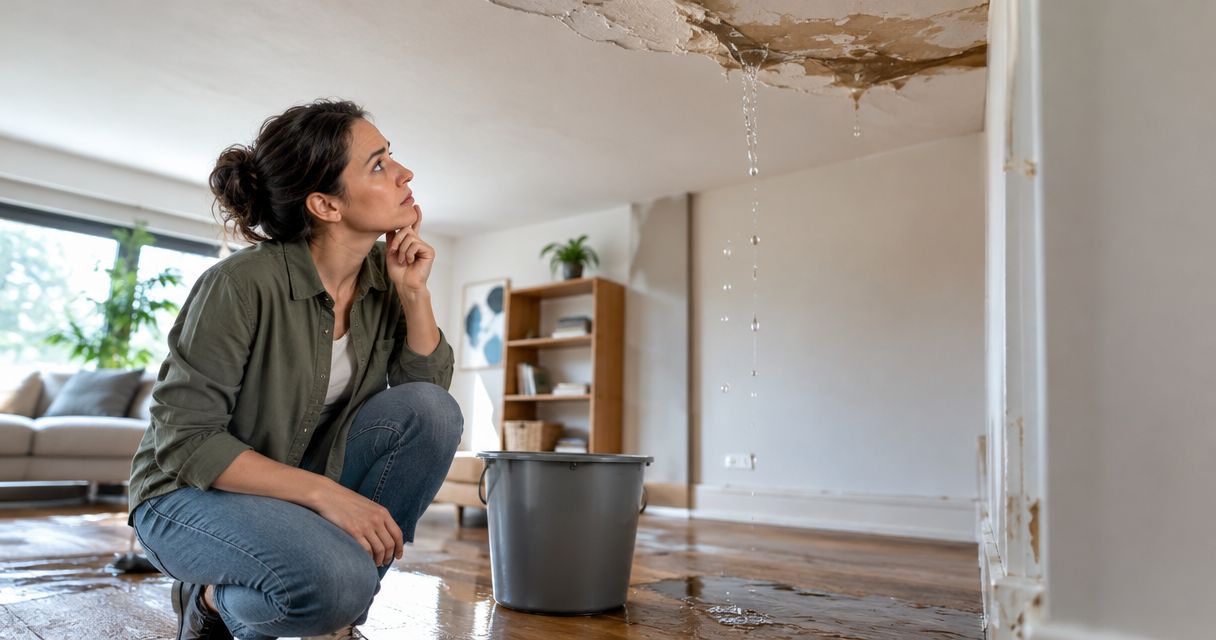
A small slab leak can still cause damage if water continues reaching soil or building materials. The visible puddle is not a reliable measure of everything happening beneath the floor.
A concealed leak can wet materials before water appears in a room. Conversely, a wet floor does not prove that the foundation has moved or lost support.
The useful questions are whether the leak remains active, where the water is going, and what it has affected. Those answers require investigation rather than an estimate based on the visible wet area.
Is foundation damage from a slab leak covered by insurance?
Coverage depends on the policy and the circumstances of the loss. Access work, pipe repair, resulting water damage, and foundation movement are distinct issues; do not assume approval of one includes the others.
For a 2026 claim, preserve dated photographs, the plumber’s findings, repair documentation, and any structural assessment. Describe the facts accurately and ask the insurer to explain how the policy applies to each part of the work.
Report the incident promptly and follow your policy’s instructions for preventing further damage. Do not delay necessary source control while waiting for a final coverage decision, and retain records of emergency work.
What should you confirm before replacing flooring?
A dry surface is not proof that the entire affected assembly is ready to cover. The visible flooring, material beneath it, and adjacent walls can have different moisture conditions.
Before finish work starts, ask for clear answers to these questions:
- Has the plumbing repair been checked for continuing leakage?
- Have suspected structural changes been evaluated?
- Which materials were assessed for moisture, and where?
- What supports the decision to retain, remove, or cover affected materials?
- Do the replacement flooring and installation materials have moisture-related requirements?
For a 2026 repair file, retain the documentation behind those answers. A photograph of a clean room shows appearance, not the condition of concealed materials.
This is also the point to resolve scope gaps. If the plumber has completed the pipe repair but nobody has assessed damp flooring, the cleanup question remains open; if the room is dry but the floor has shifted, the structural question remains open.
FAQ
Can a slab leak cause foundation damage without flooding the house?
Yes, a slab leak can affect the soil beneath a foundation without producing visible indoor flooding. The absence of standing water does not rule out a concealed plumbing leak or changes beneath the slab.
Does a crack in my floor mean I have a slab leak?
No, a floor crack does not prove you have a slab leak. Plumbing testing investigates the water source, while a structural assessment investigates movement and its implications.
Should I shut off my water if I suspect a slab leak?
If you suspect an active supply-line leak and can safely access the appropriate shutoff, stop the water supply and contact a plumbing professional. Stay away from wet electrical equipment and unsafe areas.
Do I need a structural engineer for every slab leak?
Not every slab leak requires a structural engineer, but suspected foundation movement needs structural evaluation. New unevenness, settlement, or significant cracking warrants attention beyond the pipe repair.
Can I stay in my house while a slab leak is repaired?
Whether you can remain in the house depends on safety, water service, access restrictions, and the repair scope. Ask the responsible professionals about occupancy, especially when electrical hazards or structural movement are involved.
Will homeowners insurance pay for everything after a slab leak?
Do not assume homeowners insurance will pay for every part of a slab leak loss. Ask the insurer to address pipe repair, access work, resulting water damage, and foundation issues separately under your policy.
Does Firewaterdamage provide emergency water damage cleanup?
Firewaterdamage offers 24/7 emergency response and IICRC-certified cleanup crews for homeowners and property owners in Temecula, Escondido, and North County San Diego/Inland Empire. Structural diagnosis remains a separate question from water damage cleanup.
One last thing
A repaired pipe and a stable foundation answer different questions. Before calling the job complete, confirm that the water source is controlled, affected building materials have been addressed, and any signs of movement have received the appropriate assessment.
Keep those findings together. If another symptom appears later, a clear record helps the next professional distinguish a new problem from an existing condition instead of starting the diagnosis again.