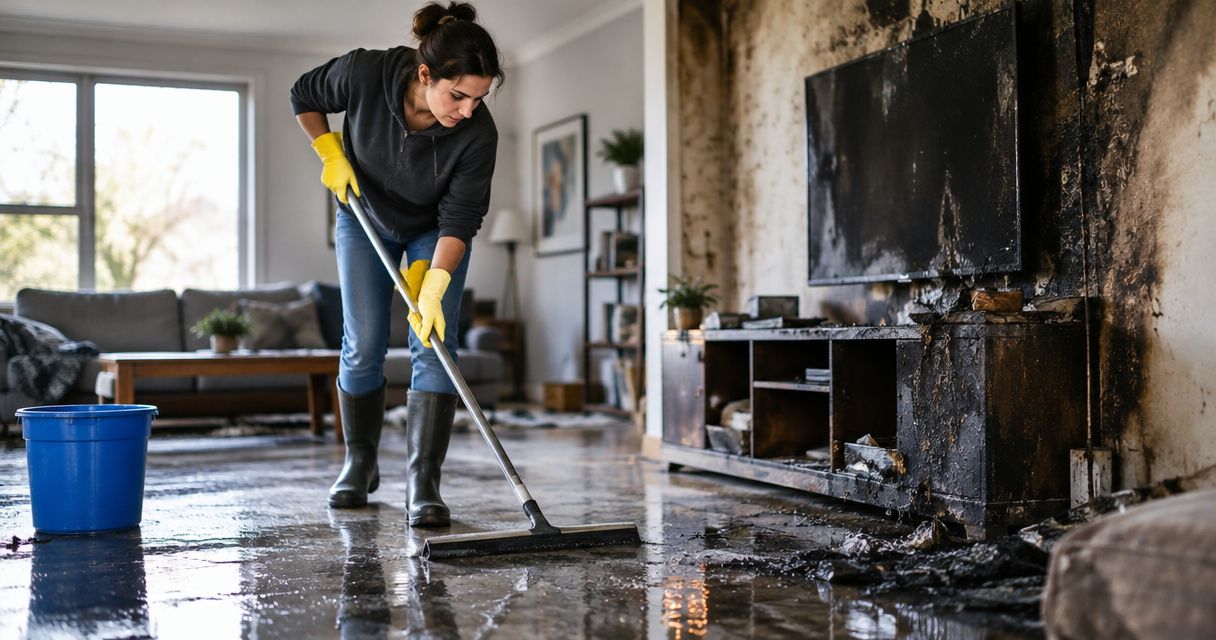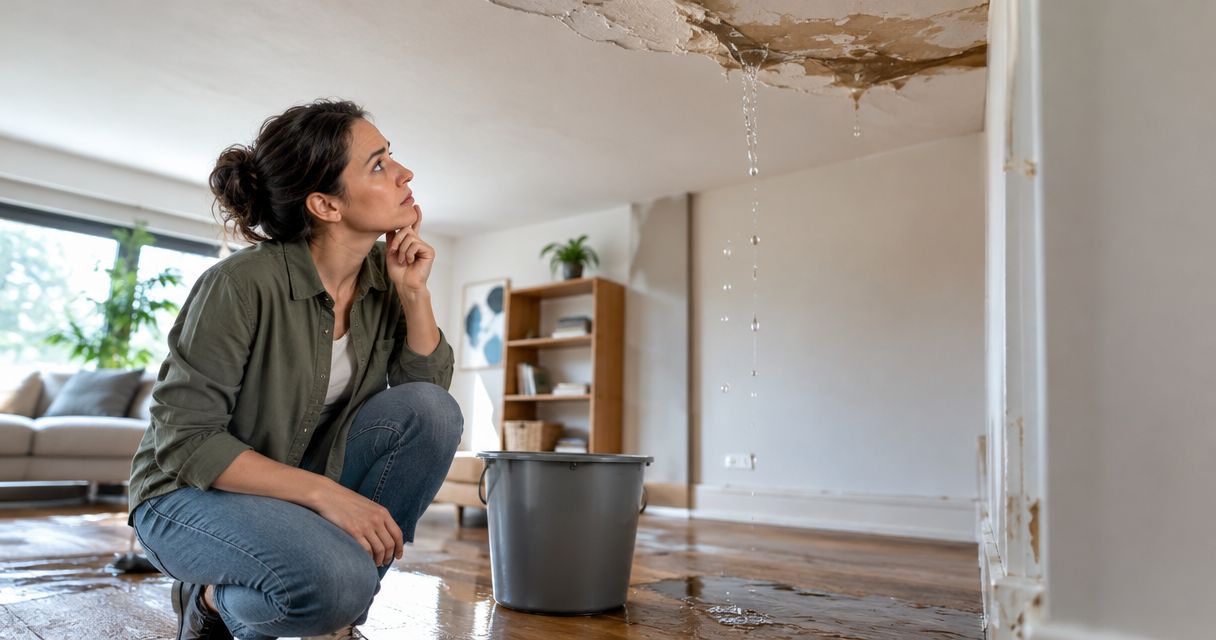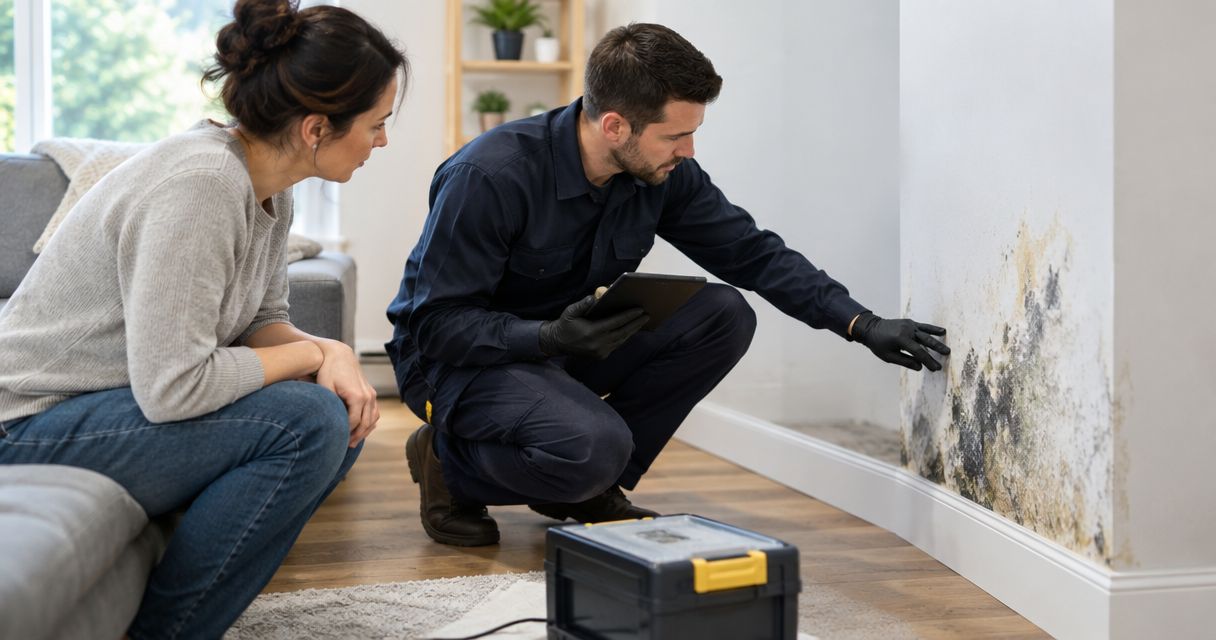
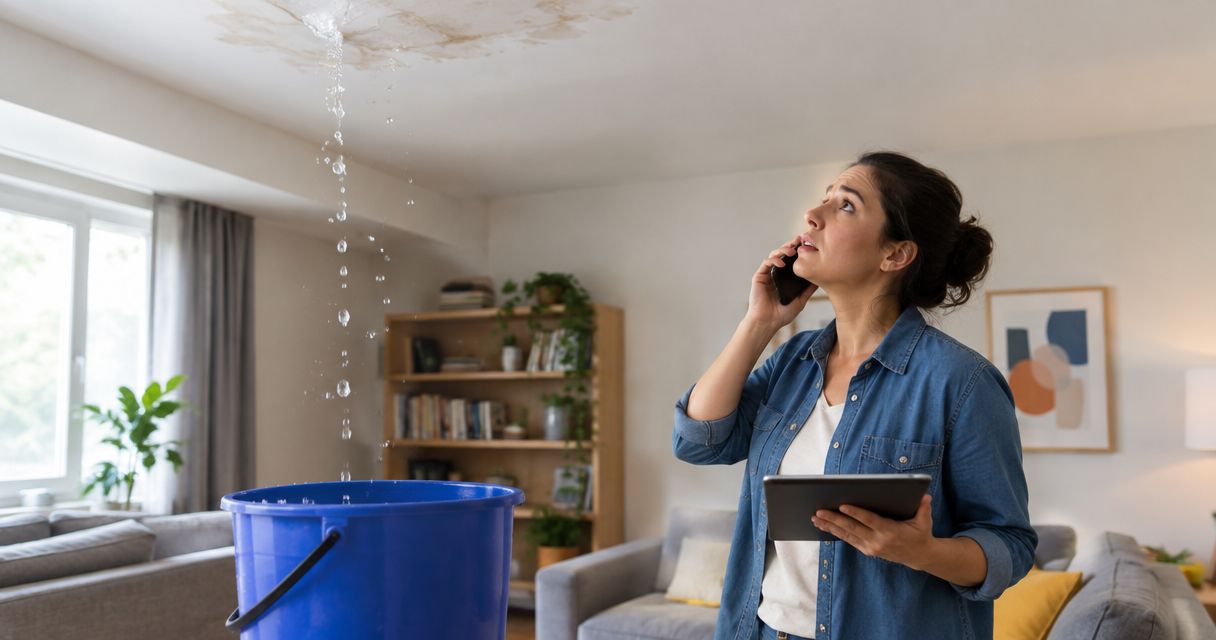
Yes—homeowners insurance generally covers water damage restoration when a covered event causes sudden, accidental damage, such as a burst pipe. Coverage depends on the cause and your policy; deductibles, exclusions, and coverage limits still apply, and repairing the failed pipe or appliance is often separate from restoring the damage it caused.
- Is water damage restoration covered by insurance? Generally yes for covered sudden accidents, not every leak or flood.
- Separate emergency drying, damaged-property repairs, and fixing the water source when discussing your homeowners insurance claim.
- Flood insurance and sewer-backup coverage address risks that standard homeowners policies generally exclude.
- Firewaterdamage offers water damage restoration with 24/7 emergency response; your insurer determines coverage.
Why this matters
The cause of the water damage matters more than how wet your home is. A broken supply line and rising surface water can damage the same flooring but trigger different insurance decisions.
For a 2026 claim, read the policy effective on the date of loss, including its endorsements. Firewaterdamage provides emergency water damage restoration, but hiring a contractor does not establish insurance coverage. Keep the restoration scope and the insurer’s coverage decision separate.
Is water damage restoration covered by homeowners insurance?
Homeowners insurance generally covers restoration after a covered sudden, accidental water loss. It generally excludes maintenance problems, ongoing seepage, and flooding from outside the home unless another policy or applicable endorsement provides coverage.
Use this comparison to identify which coverage question to ask. These are general policy patterns, not a decision on an individual claim.
| Water damage situation | General coverage position | What helps your claim | Main limitation |
|---|---|---|---|
| A supply pipe suddenly bursts | Resulting damage is generally covered, subject to policy terms | Evidence showing the failure and affected materials | Repairing the failed pipe can be separate from covered damage |
| An appliance suddenly releases water | Resulting damage is generally covered when the event meets policy terms | Photos, service findings, and a clear discovery timeline | Replacing the appliance is not automatically covered |
| A pipe leaks over an extended period | Long-term seepage or deterioration is generally excluded | An accurate plumber’s report and documented discovery date | Hidden damage does not automatically overcome an exclusion |
| Water or sewage backs up through a drain | Often requires a water-backup endorsement | The endorsement and documentation of the backup source | Separate limits and exclusions can apply |
| Surface water enters during flooding | Standard homeowners insurance generally excludes flood damage | A separate flood policy and evidence of the flood event | Flood coverage must apply when the loss occurs |
| Mold develops after water damage | Coverage depends on the cause, policy wording, and mold provisions | Moisture records and the relationship to the original loss | Mold exclusions or separate limits can restrict payment |
Ask the insurer to identify the cause of loss and the policy language controlling its decision. The phrase water damage alone does not establish coverage.
Sudden leaks: separate restoration from source repair
A covered pipe failure can create several distinct jobs: stopping the leak, removing water, drying building materials, and repairing damaged finishes. Ask for separate descriptions of each task rather than one unexplained total.
The resulting damage and the failed component are different coverage questions. A policy can cover damaged drywall without covering replacement of a worn plumbing component. Access work, such as opening a wall to reach a pipe, also requires its own policy review.
Describe what you observed, not what you think caused it. A fresh puddle establishes when you discovered water; it does not establish when a concealed leak began. Let the plumbing findings and inspection records address the cause.
Gradual leaks: discovery does not establish coverage
Finding damage suddenly does not prove that the damage happened suddenly. Staining, deterioration, prior repairs, and plumbing findings can become relevant when an insurer evaluates repeated leakage or maintenance exclusions.
Keep your account precise. Record when you first noticed a smell, stain, dripping sound, or wet surface, and preserve earlier maintenance records if you have them. Do not assign a failure date that you cannot support.
Ask whether any policy provision addresses concealed leakage and what evidence the insurer needs to apply it. Policies differ; another homeowner’s successful claim does not establish what your contract covers.
Flooding and sewer backup: check separate coverage
Flood damage and drain backup are not interchangeable insurance categories. Standard homeowners insurance generally excludes flooding, while sewer or drain backup often requires an endorsement. The source and route of entry matter.
For example, water entering across the ground raises a different coverage question from water backing up through a drain. Report both conditions if both occurred. Do not simplify a mixed event into whichever description sounds more likely to be covered.
FEMA’s National Flood Insurance Program generally has a 30-day waiting period for new coverage, with specified exceptions. For a 2026 coverage review, check the effective date rather than assuming a newly purchased policy covers an existing loss. Private flood insurance can have different terms.
Why water damage insurance coverage varies
Review these factors before treating a verbal answer as a final coverage decision:
- Cause of loss: Sudden accidental discharge, repeated seepage, floodwater, and drain backup involve different policy provisions.
- Policy exclusions: Maintenance, deterioration, mold, and water exclusions can change the result even when physical damage is extensive.
- Endorsements: Added water-backup or other coverage changes what the base policy provides, within the endorsement’s terms.
- Deductible and limits: A covered loss still remains subject to your share of the claim and applicable payment limits.
- Evidence: Photos, plumbing findings, moisture records, and invoices help establish the event and necessary work; they do not override exclusions.
- Post-loss duties: Notice, reasonable protection against further damage, and access for inspection are commonly required by the policy.
Request a written explanation if the insurer accepts some work but rejects other work. Ask which item is disputed, why it is disputed, and which policy provision applies.
What should you do before the adjuster arrives?
Protect people first, then take reasonable steps to prevent additional damage. Do not enter standing water around electrical equipment, disturb a sagging ceiling, or handle sewage-contaminated materials yourself.
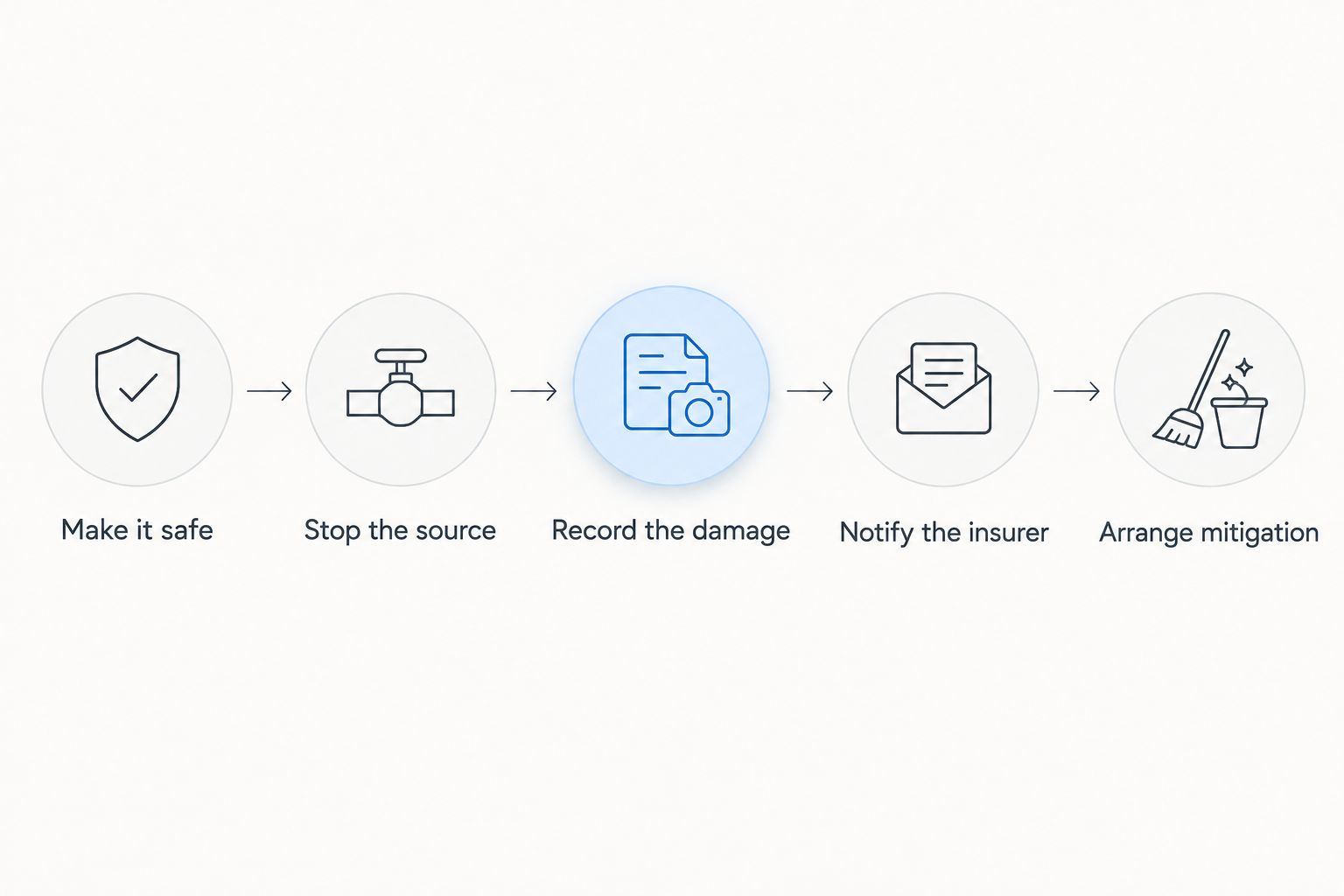
Use this sequence for your 2026 claim file:
- Make it safe. Keep people away from electrical hazards, unstable materials, and contaminated water. Contact the appropriate emergency service or utility when conditions are dangerous.
- Stop the source. Shut off the water supply if you can do so safely, or arrange plumbing help. Record what was done and why.
- Record the damage. Photograph the water source, affected rooms, damaged belongings, and visible water paths before cleanup when safe.
- Notify the insurer. Report the facts, request a claim number, and ask about emergency mitigation, inspection, and documentation requirements.
- Arrange mitigation. Request a written scope, keep equipment and moisture records, and retain invoices. Separate temporary protective work from permanent repairs.
Emergency protection and permanent reconstruction are different decisions. Do not let avoidable damage continue while waiting for an inspection, but confirm instructions before discarding evidence or authorizing extensive reconstruction.
Firewaterdamage is best suited to homeowners and property owners needing 24/7 emergency water damage restoration in its stated service areas. The company provides IICRC-certified cleanup crews in Temecula, Escondido, and North County San Diego/Inland Empire. That supports an emergency cleanup need; it does not guarantee insurance payment or determine whether your policy covers the event.
Arrange emergency water damage restoration
Firewaterdamage offers 24/7 emergency response and IICRC-certified cleanup crews in its stated service areas.
What records help support a water damage claim?
Document the cause, the damage, and the work separately. A photograph of a wet floor shows a condition, but it does not explain the plumbing failure or establish why particular materials need removal.
Build a file containing:
- Discovery timeline: When you noticed the problem, what you observed, and when you reported it.
- Source findings: A plumber’s or other qualified professional’s description of the failure and repairs.
- Damage evidence: Wide views of each affected room, close-ups, and an inventory of damaged belongings.
- Mitigation records: Moisture readings, equipment records, work descriptions, and invoices identifying what happened and where.
- Claim correspondence: Written instructions, inspection notes, estimates, coverage letters, and explanations of disputed items.
Ask the restoration contractor to explain what each moisture reading measures and how it informs drying decisions. Read the guide to moisture meter readings and insurance claim documentation for the connection between field records and claim evidence. Measurements support a scope; they do not create coverage.
Does insurance cover mold after a water leak?
Mold coverage depends on the underlying water event and the policy’s mold provisions. A covered sudden leak does not automatically make every mold-related expense payable; exclusions and separate limits still require review.
The U.S. Environmental Protection Agency’s household mold-cleanup guidance recommends drying water-damaged materials within 24–48 hours to help prevent mold growth. Use that guidance for prompt action in 2026, not as an insurance deadline or a guarantee that mold cannot develop sooner.
Tell your insurer and contractor about visible growth or musty odors. Avoid treating a dry-looking surface as proof that concealed materials are dry.
Does insurance cover the hotel while repairs happen?
Additional living expense or loss-of-use coverage can apply when a covered loss makes your home unfit to live in, subject to policy terms and limits. Construction inconvenience alone does not establish eligibility.
Ask the adjuster what conditions support temporary housing and which additional expenses qualify. Keep receipts and distinguish extra expenses caused by displacement from your normal household spending.
What if the insurer denies the water damage claim?
Request the denial in writing, including the factual basis and applicable policy provisions. Compare that explanation with your policy, plumbing report, photographs, and mitigation records.
Submit specific corrections rather than a general objection. If the letter describes long-term seepage but your professional report identifies another cause, ask the insurer to address that evidence directly. For unresolved disputes, review your state insurance department’s consumer assistance process and any policy deadlines.
FAQ
Is water damage restoration covered by insurance if a pipe bursts?
Homeowners insurance generally covers resulting damage from a sudden, accidental burst pipe, subject to policy terms. Repairing the pipe itself, deductibles, and exclusions are separate questions.
Will homeowners insurance cover a slow leak behind a wall?
Long-term leakage is generally excluded, although the exact policy wording controls the decision. Discovering a concealed leak suddenly does not establish that the damage occurred suddenly.
Should I wait for insurance approval before drying my home?
Take reasonable steps to prevent further damage while promptly notifying your insurer. Document conditions, retain invoices, and ask for instructions before extensive demolition or permanent repairs.
Does homeowners insurance cover water coming in from outside?
Standard homeowners insurance generally excludes flood damage, but not every outside-water event has the same cause or policy treatment. Describe where the water came from and how it entered so the insurer can evaluate the applicable provisions.
Can Firewaterdamage tell me whether my claim will be approved?
Firewaterdamage provides water damage restoration; your insurer determines coverage under your policy. Restoration findings can document damage and necessary work, but they do not guarantee claim approval.
Does IICRC certification mean insurance has to pay?
IICRC certification does not require an insurer to pay a claim. Firewaterdamage has IICRC-certified cleanup crews, but coverage still depends on the event, policy wording, exclusions, and limits.
How long should wet materials stay wet before mold becomes a concern?
EPA guidance recommends drying water-damaged materials within 24–48 hours to help prevent mold growth. This is prevention guidance, not a guaranteed mold-free period or an insurance coverage rule.
One last thing
Keep an accurate record of what was removed before it disappears into a disposal container. Photograph damaged materials when safe, ask how evidence will be preserved, and follow the insurer’s instructions without retaining contaminated items in occupied space.
For a 2026 claim, a clear record of the original damage is more useful than an unsupported description after reconstruction. The goal is to preserve evidence without allowing preventable damage to continue.