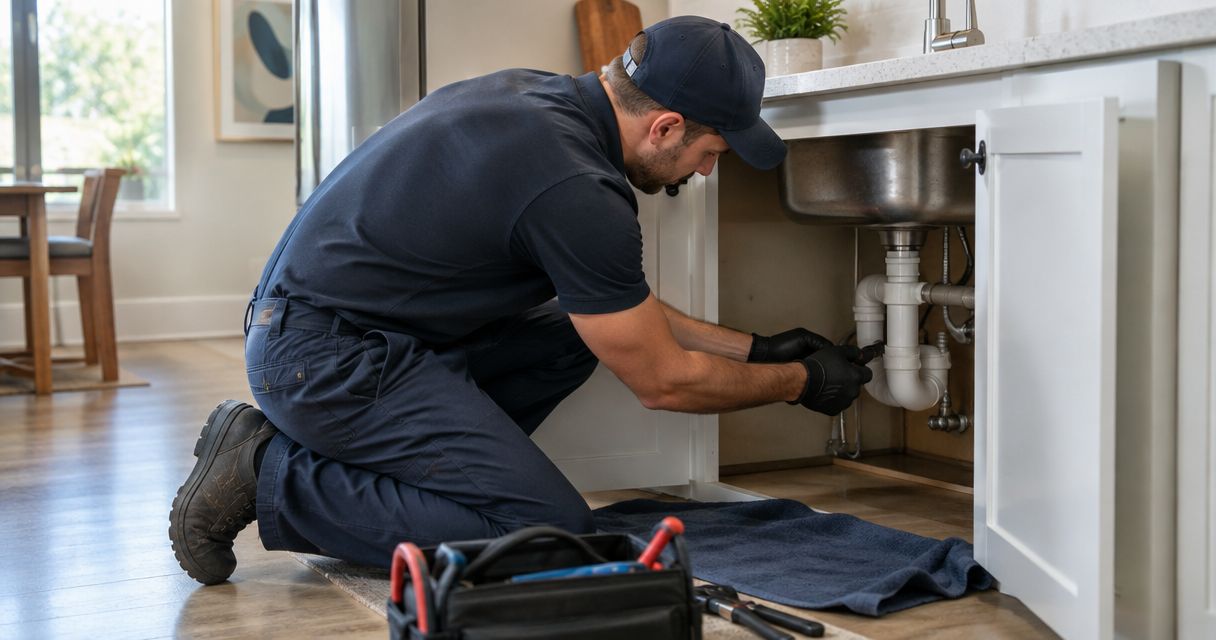
Slab leak repair takes as long as the confirmed repair method, access work, and testing require; a reliable completion date comes after leak detection and inspection. Fixing the pipe also does not finish the job if wet materials need drying or opened floors need rebuilding, so request separate dates for restoring water service and restoring the property.
- How long does slab leak repair take? Separate pipe repair, water damage drying, and rebuilding before accepting a completion date.
- Firewaterdamage provides emergency water damage cleanup; ask your plumbing contractor separately about pipe repair and testing.
- Leak location, access, repair scope, and moisture conditions determine the schedule—not the size of the visible stain.
- Do not schedule replacement flooring until the affected materials meet the flooring system’s moisture requirements.
Why this matters
A working faucet does not mean a slab leak project is complete. Your plumber can restore the water supply while a restoration contractor still has wet flooring, wall cavities, or other affected materials to address. Treating those milestones as interchangeable creates conflicting expectations about move-back dates and contractor access.
Firewaterdamage offers 24/7 emergency response and IICRC-certified cleanup crews for homeowners and property owners in Temecula, Escondido, and North County San Diego/Inland Empire. That addresses the cleanup side of a water loss; ask the plumbing contractor to define the separate repair scope.
For your 2026 project, put the milestones in writing rather than accepting a single finish date that leaves out drying or reconstruction.
How long does slab leak repair take?
The useful answer is a sequence of completion milestones, not an unsupported average. Ask which activities the contractor’s estimate includes, what remains outside the scope, and what conditions must be met before each phase ends.
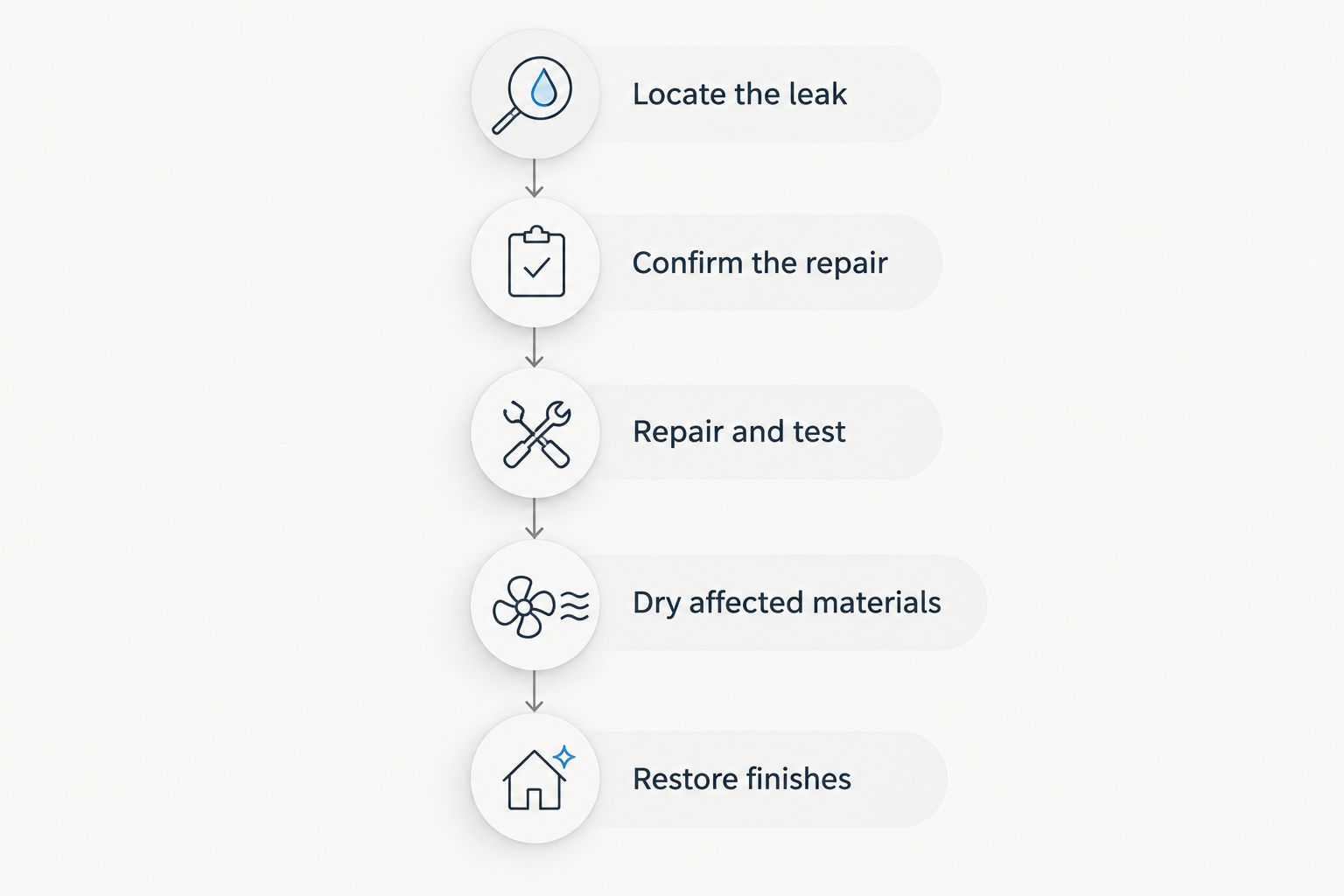
- Locate the leak. Have the plumbing contractor identify the affected line and explain the proposed access point. A visible wet area alone does not establish the exact repair location.
- Confirm the repair. Get the recommended method in writing, including what must be opened and whether the work addresses a localized defect or a broader piping problem.
- Repair and test. Ask how the contractor will verify the repaired system before closing access openings and returning it to normal use.
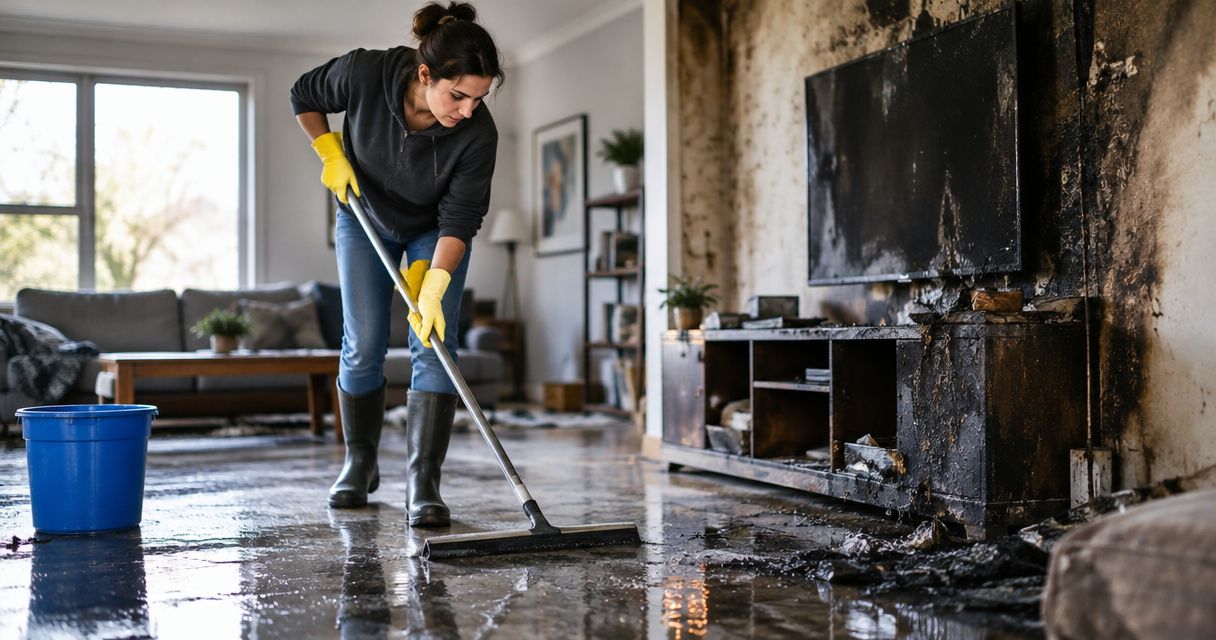
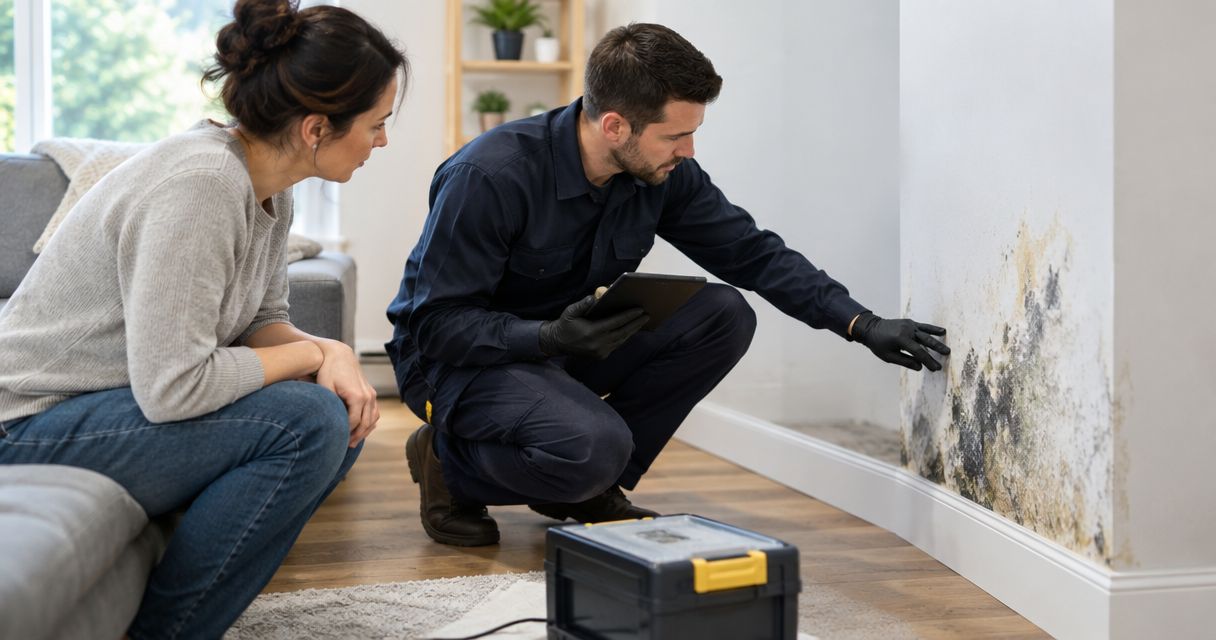
- Dry affected materials. Have the restoration contractor assess the water damage and document the drying requirements for materials that remain in place.
- Restore finishes. Schedule patching, flooring, and other finish work around the completed plumbing work and verified moisture conditions.
Ask for a water-service date and a property-completion date. These answer different questions: when you can use the plumbing again, and when the affected rooms are ready for normal use.
Some activities overlap. A restoration contractor can assess damage while the plumbing contractor plans access, but closing wet assemblies or covering unverified repair work is not a scheduling shortcut.
What should a 2026 repair schedule include?
Request the start condition and finish condition for each phase. For example, the plumbing scope should identify the repair and verification work, while the restoration scope should identify moisture checks and the affected materials.
Also name the person responsible for handing the job to the next contractor. Without that handoff, a finished plumbing repair can sit waiting for someone to approve patching or arrange floor replacement.
Direct-access repair: include opening and patching
A direct-access repair reaches the damaged pipe through an opening in the slab. The schedule needs to account for locating the line, preparing access, completing the plumbing repair, checking the work, and restoring the opening and finishes.
Best for: a confirmed localized defect where the plumbing contractor considers direct access appropriate. Its advantage is access to the identified damaged section; its drawback is disruption to the slab and any finishes above the opening.
Ask whether the plumbing contractor’s completion date ends with a tested pipe or includes concrete patching. Then ask who handles the floor covering. Those tasks belong in the schedule even when another contractor performs them.
Pipe rerouting: include the new route and finish repairs
Rerouting redirects an affected water line along a different path. The work depends on the proposed route, available access, connections, and the surfaces that must be opened and restored.
Best for: a situation where the plumbing contractor identifies a suitable alternative route. Avoiding the original under-slab location is the advantage; openings elsewhere in the property and associated finish repairs are the trade-off.
Do not treat “no slab opening” as “no disruption.” Ask to see the intended route and the access areas before arranging furniture moves, tenant access, or other work around the repair.
Broader pipe replacement: define the boundaries first
A broader replacement scope addresses more piping than a localized repair. Your contractor should explain which lines are included, why that scope is recommended, and how water-service interruptions will be managed.
Best for: a property with a documented piping condition that supports replacing more than the isolated damaged section. The advantage is addressing that broader scope together; the drawback is a larger work area and more coordination than a localized repair.
Do not approve expanded work solely because the first leak was inconvenient. Ask for the findings supporting the recommendation and a schedule tied to the actual replacement boundaries.
How do the repair approaches compare?
Use this comparison to understand scheduling differences, not to select a method without an inspection. The plumbing contractor must determine which approach fits the line, property, and confirmed defect.
| Approach | Best for | Scheduling advantage | Scheduling drawback |
|---|---|---|---|
| Direct-access repair | A localized defect with suitable slab access | Focuses work on the identified repair location | Requires opening and restoring the slab and affected finishes |
| Pipe rerouting | A line with a suitable alternative route | Moves the affected supply path away from the original location | Requires planning the new route and repairing access openings |
| Broader pipe replacement | A documented condition affecting a larger piping scope | Coordinates the defined replacement work together | Involves more work areas, connections, and finish coordination |
Why slab leak repair time varies
A useful 2026 estimate connects each scheduling factor to your property. Ask the contractor to explain these factors rather than supplying a generic duration detached from the inspection.
- Leak location and certainty. Confirming the affected line and repair location comes before deciding where to open the property.
- Access conditions. Flooring, cabinets, walls, and the proposed work route determine what needs protection, removal, and reinstatement.
- Repair boundaries. A localized repair and a broader piping replacement are different scopes, even when both start with the same visible symptom.
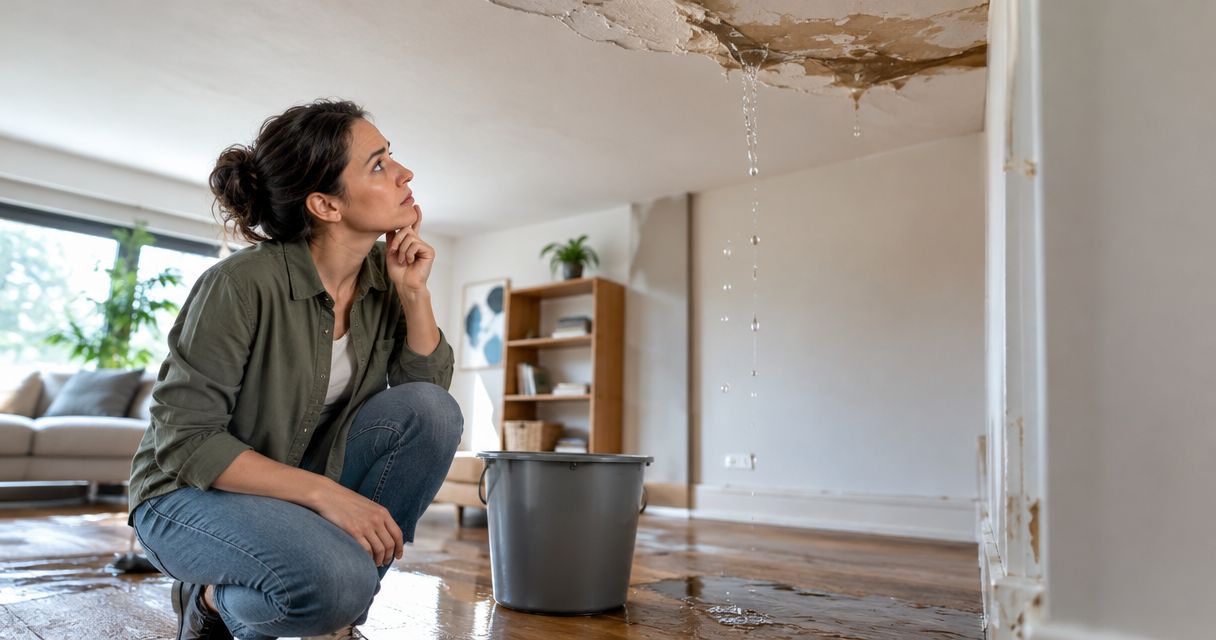
- Water damage extent. The plumbing defect and the moisture damage require separate assessments. Wet materials add drying and restoration work beyond the pipe repair.
- Verification and handoffs. Testing, applicable inspections, and approval to close openings need clear owners and completion conditions.
- Finish requirements. Concrete patching and replacement flooring must follow the requirements of the materials and systems used, not an arbitrary move-back deadline.
A schedule becomes more useful when it identifies what is already confirmed and what remains dependent on inspection. Ask for an update when the scope changes, rather than continuing to plan around an outdated date.
How long does drying take after a slab leak?
Drying ends when documented moisture conditions meet the restoration plan’s goals—not simply when the floor looks dry. The affected materials, extent of wetting, and access for drying determine the work required.
Ask the restoration contractor which materials are being monitored and what evidence supports stopping the drying equipment. Then confirm the separate moisture requirements for any replacement flooring or adhesive system.
The guide to how long water damage restoration takes explains the restoration timeline separately from the plumbing repair. Keep that distinction in your project schedule so the repaired pipe does not become an accidental authorization to cover damp materials.
Can I stay home during slab leak repair?
Staying home depends on safe access, usable plumbing, and whether the work area can remain separated from occupied rooms. Ask the contractors to explain those conditions before deciding that normal occupancy can continue.
Confirm access to toilets, washing facilities, sleeping areas, and exits. For a rental or shared property, give occupants the confirmed interruption plan and update it when the contractor changes the work boundaries.
When can I replace flooring after a slab leak?
Replace flooring after the plumbing work is verified, the substrate is ready, and moisture conditions meet the replacement flooring system’s requirements. A surface that feels dry is not enough evidence to close the project.
For a 2026 flooring installation, obtain the current manufacturer’s requirements for the actual flooring and adhesive being used. Ask the installer what checks are required and retain the results with the repair records.
What to do while the completion date is being confirmed
Do not keep using a leaking water line just to preserve your routine. Ask the plumbing contractor how to isolate the affected supply safely. If water is near electrical equipment or damaged building materials create a hazard, keep people away and seek qualified assistance.
You can make the handoff between contractors clearer without interfering with their work:
- Photograph visible damage from a safe location before materials are moved.
- Record where and when you noticed water, unusual sounds, or changes in water service.
- Clear a safe access route without entering hazardous areas or moving contaminated materials.
- Keep plumbing, drying, and finish-repair scopes together so each contractor understands the boundaries.
- Ask who will provide the next schedule update and which finding that update depends on.
Firewaterdamage fits homeowners and property owners needing emergency water damage cleanup in its stated service areas. Its 24/7 emergency response and IICRC-certified crews address cleanup needs; a plumbing contractor must separately define the pipe repair method and timing.
Arrange emergency water damage cleanup
Firewaterdamage serves Temecula, Escondido, and North County San Diego/Inland Empire with 24/7 emergency response.
FAQ
How long does slab leak repair take from start to finish?
Slab leak repair runs through detection, access, plumbing repair, verification, and any required property restoration. Get separate dates for restored water service and completed drying and finish work, because those milestones are not interchangeable.
Can a plumber finish a slab leak repair in one visit?
Do not assume a single visit includes detection, permanent repair, testing, and property restoration. Ask the plumbing contractor which tasks the scheduled visit covers and what must happen afterward.
Does slab leak repair always require breaking the floor?
Slab leak repair does not always use direct access through the floor; a suitable rerouting plan is another approach for some water lines. The plumbing contractor must determine which method fits the confirmed defect and property.
Can I use water while a slab leak is being repaired?
Use water only according to the plumbing contractor’s isolation and repair instructions. Ask which fixtures remain usable and when the repaired line is cleared for normal use.
Does stopping the leak mean the house is dry?
Stopping the leak does not establish that affected building materials are dry. A restoration contractor should assess moisture conditions and document the drying work before affected assemblies are closed.
What should I ask before accepting a repair completion date?
Ask whether the completion date includes pipe testing, drying, patching, and replacement finishes. Your 2026 schedule should identify the responsible contractor and completion condition for each phase.
One last thing
Ask for the evidence that allows the next phase to begin, not just the date written beside it. A verified plumbing repair, documented moisture conditions, and an installation-ready substrate answer different questions; none substitutes for the others.
Before you authorize the final flooring work, request a clear handoff from plumbing to restoration to the installer. That is the point where a repaired leak becomes a properly closed project.