Suspect a slab leak when unexplained water use occurs alongside persistent warm flooring, damp floor edges, or the sound of running water while fixtures are off. These signs justify professional leak detection, but none confirms the location by itself; a plumber must distinguish an under-slab leak from toilets, appliances, irrigation, and other plumbing leaks.
- How do I know if I have a slab leak? Combine meter checks with moisture clues; symptoms alone cannot confirm location.
- A moving water meter indicates water use, not necessarily an under-slab pipe failure.
- Warm flooring is a clue, not proof; hot-water piping and sunlight also create warm spots.
- Firewaterdamage provides water damage restoration for property owners dealing with moisture damage after a plumbing leak.
How do I know if I have a slab leak?
The strongest reason to suspect a slab leak is unexplained water consumption combined with evidence of moisture near a slab floor. Treat active flooding as urgent rather than waiting for every sign to appear. The guide to whether a slab leak is an emergency explains the next decision.
Use this 2026 symptom checklist to separate warning signs from conclusions:
| Warning sign | What it supports | What it does not prove |
|---|---|---|
| Meter registers use with fixtures off | Water is moving through the metered supply | That the leak is beneath the slab |
| Persistent warm floor patch | A heat source is affecting the floor | That a hot-water pipe is leaking |
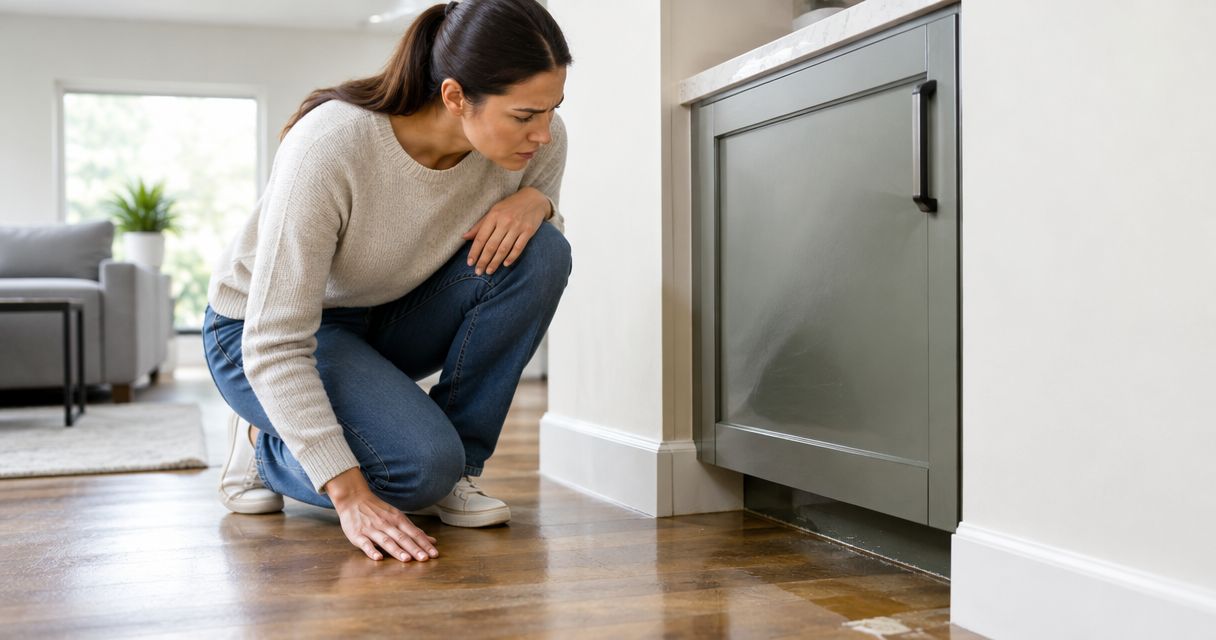
| Damp flooring or wet baseboards | Moisture is reaching building materials | Where the moisture originated |
| Running-water sound with fixtures off | Water flow needs investigation | Which pipe or fixture is responsible |
| Unexplained higher water use | Consumption has changed | That plumbing damage caused the change |
| New floor damage or musty odor | A moisture problem needs assessment | That a slab leak is the source |
Record combinations of symptoms. A photograph of a damp floor, a meter observation, and a description of when a sound occurs give a plumber more useful information than a suspected location alone.
Why this matters
A hidden plumbing leak and the water damage it causes require different work. Locating and repairing the pipe stops the source; assessing affected floors, walls, and concealed spaces determines what needs drying or removal.
A dry-looking surface does not establish that the materials beneath it are dry. Conversely, damaged flooring does not establish that an under-slab pipe failed. In 2026, your next move should still follow the evidence: check safely, locate the source, and assess the resulting damage.
Do not authorize concrete cutting solely because one tile feels warm. Ask what evidence supports the proposed opening and whether the suspected pipe has been isolated or otherwise tested.
How can I check for a slab leak without opening the floor?
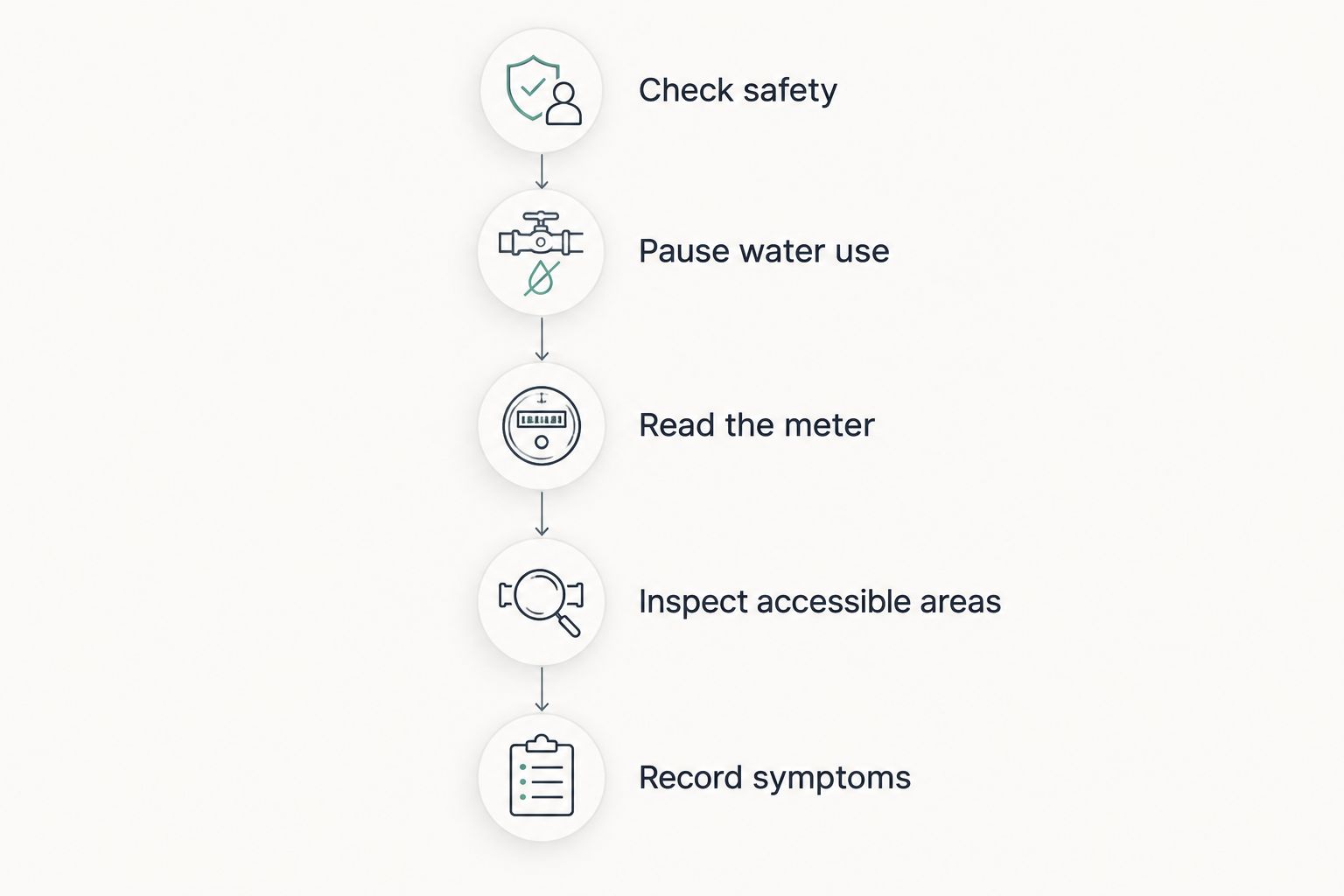
These checks help you describe the problem. They do not replace professional detection or justify opening a slab yourself.
- Check safety. Stay out of water near electrical equipment, damaged outlets, or an uncertain power source. Do not enter standing water to reach a shutoff or electrical panel.
- Pause water use. Turn off faucets and stop water-using appliances. Account for toilets, irrigation, automatic pool filling, ice makers, and treatment equipment that uses water automatically.
- Read the meter. If you can safely access your meter, note its reading or flow indicator while known water uses are off. Movement means water is passing through the meter; it does not identify the destination.
- Inspect accessible areas. Look beneath sinks, around toilets, beside appliances, and near the water heater. An accessible leak can explain symptoms that initially seem to come from below the floor.
- Record symptoms. Photograph damage and note where warmth, dampness, or sound occurs. Arrange professional detection if unexplained flow or persistent moisture remains.
Keep this 2026 check non-destructive. Do not lift damaged flooring, drill exploratory holes, or operate unfamiliar valves to investigate a suspected buried pipe.
What should I tell the plumber?
Describe what happened, not just your diagnosis. Say whether the meter moved, which water uses you stopped, where moisture appeared, and whether the problem changes when fixtures or irrigation operate.
Mention recent plumbing work and any known radiant floor heating. Those details help the plumber interpret warmth and sounds without assuming a slab leak. If you share a meter with other units, explain that before drawing conclusions from meter movement.
Does a moving water meter prove I have a slab leak?
A moving meter proves water is passing through that meter, not that a pipe beneath the slab is leaking. Toilets, irrigation, appliances, outdoor piping, and automatic equipment can all account for flow.
First make sure the meter serves the property or unit you are checking. In a shared-meter building, another occupant's normal water use makes a simple fixture-off check inconclusive.
A still meter also has limits. It does not rule out an intermittent supply leak, a drain leak that occurs during fixture use, or moisture entering from outside. Give the plumber the observation rather than treating it as a final pass-or-fail result.
Does a warm floor mean a hot-water slab leak?
A persistent warm patch can justify checking a hot-water line, especially when unexplained water use accompanies it. Warmth alone is not a diagnosis: sunlight, heating systems, appliances, and ordinary hot-water piping also affect floor temperature.
Compare the location with nearby fixtures and known heating equipment. Record whether the patch stays warm when no hot water is being used, but do not use touch to map an excavation.
For a 2026 inspection, ask the detection provider how thermal findings will be checked against other evidence. Thermal imaging shows surface-temperature differences; it does not see a broken pipe through concrete.
Can I have a slab leak without visible water?
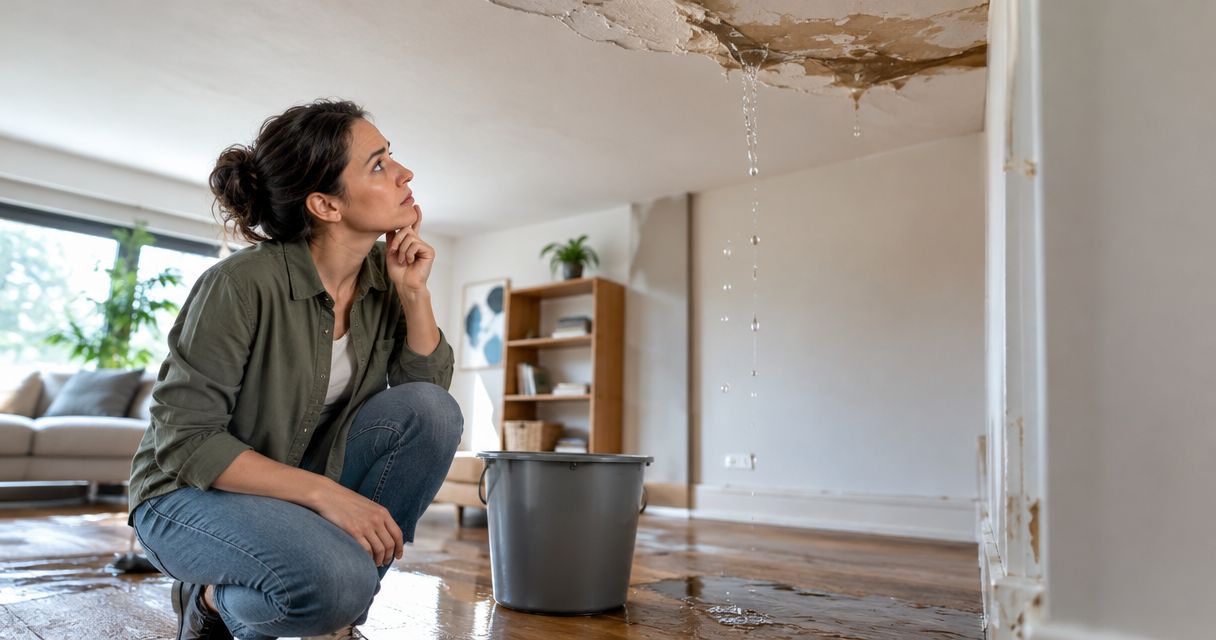
Yes. Water escaping beneath a slab does not always appear as a puddle inside the home. It can move into surrounding soil or reach concealed materials before you see surface damage.
That makes unexplained metered use relevant even when flooring looks normal. It also means the absence of a warm spot cannot rule out a cold-water supply leak.
The opposite matters too: visible floor moisture does not prove a plumbing leak. Rain intrusion, appliance leaks, drain problems, and moisture moving through concrete require different investigations. Tell the inspector whether wetness follows rainfall, fixture use, or continuous unexplained flow.
Why slab leak symptoms vary
Different leak conditions produce different clues. Use these factors to explain conflicting observations rather than expecting every suspected slab leak to look alike:
- Pipe function: A supply pipe carries pressurized water; a drain carries discharge during use. A meter check does not evaluate both in the same way.
- Water temperature: A hot-water leak can affect floor temperature differently from a cold-water leak.
- Leak activity: Intermittent leakage can escape a single observation made while the problem is inactive.
- Water movement: Escaping water can travel away from the pipe defect before appearing indoors.
- Floor construction: Concrete, underlayment, and floor coverings affect where moisture becomes visible and what can be inspected directly.
- Other moisture sources: Irrigation, exterior water entry, and accessible plumbing leaks can imitate parts of the same symptom pattern.
No universal combination of symptoms identifies the exact pipe location. The purpose of your checklist is to justify the right investigation, not to replace it.
How do professionals confirm a slab leak?
A plumber or leak-detection specialist combines the plumbing layout, your observations, and appropriate tests. Ask the provider to explain what each test establishes and what remains uncertain.
| Detection method | Best for | Useful evidence | Limitation |
|---|---|---|---|
| Supply-line isolation or pressure testing | Checking a suspected supply section | Whether the tested section holds pressure under the test conditions | Does not necessarily pinpoint the defect |
| Acoustic detection | Investigating suspected pressurized leakage | Sounds associated with escaping water | Results depend on site conditions and pipe characteristics |
| Thermal imaging | Investigating temperature patterns | Surface-temperature differences | Does not directly show a pipe break |
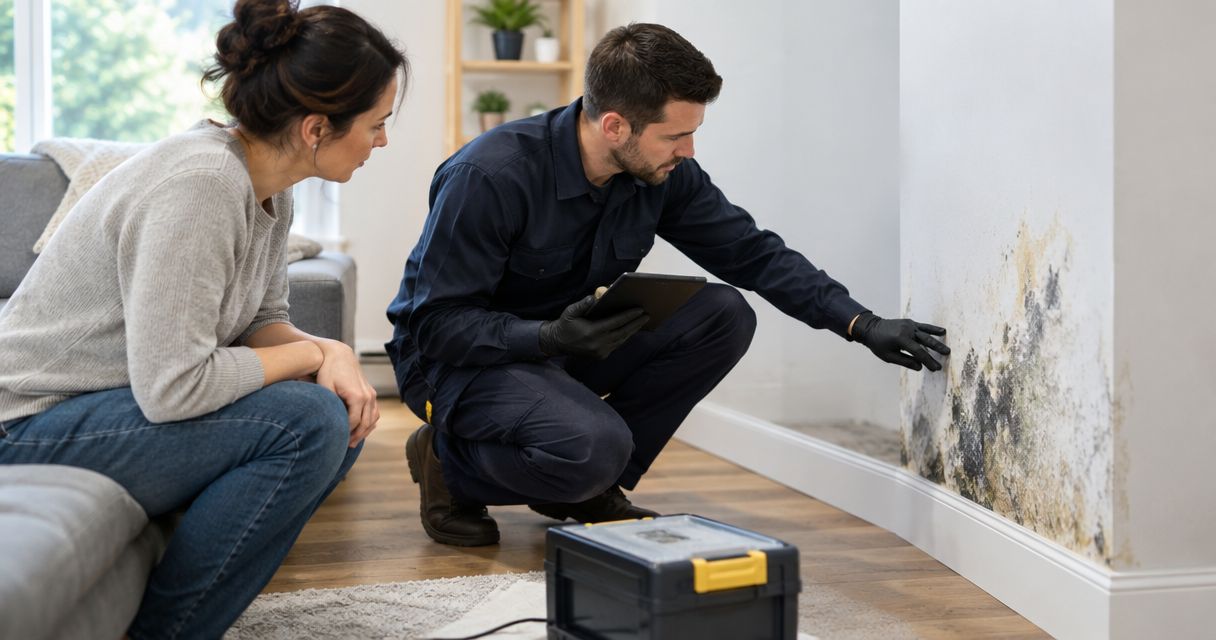
| Moisture assessment | Mapping affected building materials | Where materials show elevated moisture | Does not establish the plumbing source by itself |
Not every property needs every method. Ask for the findings that support the proposed repair location and a clear distinction between a confirmed source and a suspected area.
Before approving destructive access, ask how the provider will verify the repair afterward. Your 2026 repair plan should address both the failed plumbing and the materials affected by the leak, without treating them as the same task.
What should I do while waiting for help?
If water is actively escaping and you can safely operate your property's main water shutoff, stop the supply. Do not force a stuck valve or manipulate a valve you cannot identify. In a managed building, notify the responsible property manager promptly.
Move belongings away from wet areas only when access is safe. Photograph visible damage without delaying steps needed to stop active water release. Keep children and pets away from wet, loose, or damaged flooring.
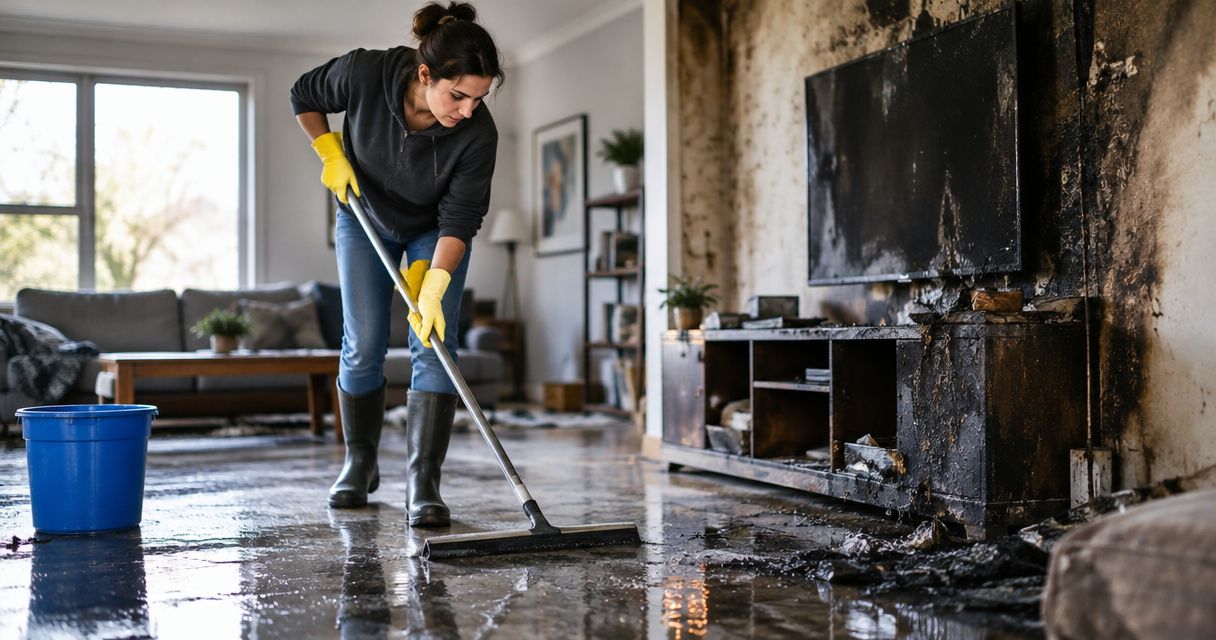
Firewaterdamage is suited to homeowners and property owners who need water damage restoration in Temecula, Escondido, and North County San Diego/Inland Empire. Firewaterdamage offers 24/7 emergency response and IICRC-certified cleanup crews. Plumbing leak location and repair remain separate tasks; confirm who is responsible for those before assuming a cleanup visit includes them.
For water damage restoration, the benefit is addressing affected materials rather than stopping at pipe repair. The limit is equally important: cleanup does not substitute for finding and correcting the water source.
Get help with water damage
Firewaterdamage offers emergency response and IICRC-certified cleanup crews for affected property owners.
What records should I keep?
Keep dated photographs, water-use records, detection findings, repair documentation, and drying records together. Describe observations accurately: a wet baseboard is an observation; an under-slab pipe failure is a conclusion that needs supporting evidence.
Ask contractors to distinguish source repair from resulting damage in their documentation. If you intend to make an insurance claim, ask your insurer about reporting and documentation requirements without delaying necessary safety measures. Coverage depends on the policy and circumstances, not the label attached to the leak.
FAQ
How do I know if I have a slab leak or a leaking toilet?
Check accessible fixtures before assuming the leak is beneath the slab. A toilet can cause unexplained metered water use, while persistent floor moisture still needs its own investigation.
Can a slab leak happen without a high water bill?
Yes, the absence of a higher bill does not rule out a slab leak. Billing timing, intermittent leakage, and drain leaks limit what a bill can tell you about a current problem.
Can I hear a slab leak through the floor?
You can sometimes hear water movement associated with a leak, but sound alone cannot locate or confirm an under-slab failure. Record where and when the sound occurs and whether fixtures are operating.
Should I turn off my water if I suspect a slab leak?
Turn off the property's water supply if water is actively escaping and you can safely operate the correct shutoff. Do not enter an electrical hazard or force an unfamiliar valve to do so.
Does every slab leak require breaking the concrete?
No, a slab leak does not automatically require opening concrete at the leak location. Repair access and alternatives depend on the pipe layout, confirmed defect, and suitable repair approach.
Will a moisture meter confirm a slab leak?
A moisture meter cannot confirm a slab leak by itself. It helps assess affected materials, while plumbing investigation establishes the water source.
Does Firewaterdamage provide emergency water damage restoration?
Firewaterdamage offers 24/7 emergency response and IICRC-certified cleanup crews for homeowners and property owners in Temecula, Escondido, and North County San Diego/Inland Empire. Confirm plumbing detection and repair arrangements separately from cleanup.
One last thing
The wettest spot is not necessarily the broken pipe's location. Water travels, so a visible stain can mark its exit point rather than its source. Before anyone opens the floor, ask: what evidence connects this opening to the confirmed leak?