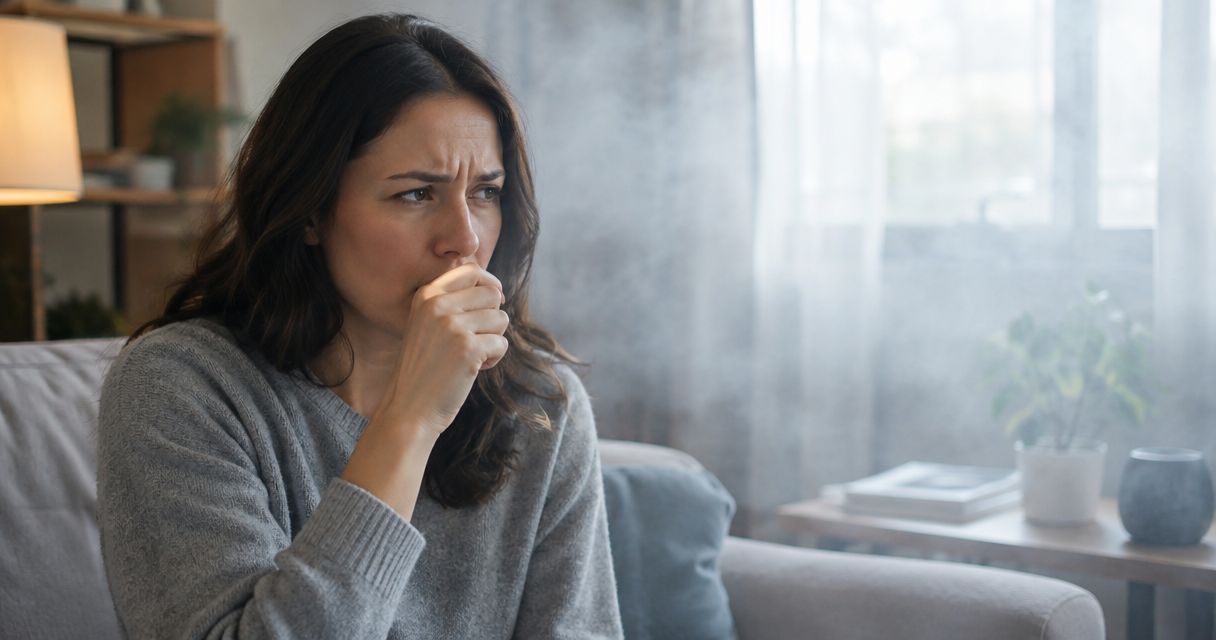
Yes, smoke damage can make you sick: exposure to smoke and disturbed soot can irritate your eyes, throat, and lungs, trigger asthma symptoms, and worsen existing heart or lung disease. Active fire smoke also presents immediate dangers, including carbon monoxide exposure; lingering odor alone cannot tell you whether a building is safe. This 2026 guide explains warning signs, when to leave, and what to check before returning.
- Can smoke damage make you sick? Yes—smoke and disturbed soot can irritate airways and worsen existing conditions.
- Leave immediately for breathing difficulty, chest pain, confusion, or a carbon monoxide alarm; call emergency services from safety.
- Smoke odor cannot establish whether a home is safe, and removing the smell does not prove cleanup is complete.
- Firewaterdamage provides fire damage restoration with IICRC-certified cleanup crews; medical symptoms require a healthcare professional.
Can smoke damage make you sick?
Smoke exposure can cause coughing, wheezing, headaches, burning eyes, and throat irritation. The risk depends on what burned, how much smoke you encountered, how long exposure lasted, and your health. A home does not have to look heavily burned for smoke exposure to matter.
The distinction between an active fire and leftover contamination is essential. Combustion gases require an emergency response; settled soot and contaminated materials require an appropriate cleanup assessment. Firewaterdamage offers fire and water damage restoration, not medical diagnosis.
| Exposure situation | Main concern | What you should do | What appearances cannot establish |
|---|---|---|---|
| Active smoke, smoldering materials, or a carbon monoxide alarm | Dangerous gases, breathing injury, and an ongoing fire | Leave and contact emergency services | Clear-looking air does not rule out carbon monoxide |
| Visible soot after authorities permit entry | Contact with residue and breathing particles disturbed during cleanup | Limit access and obtain a restoration assessment | A small visible stain does not show the full spread |
| Lingering odor without visible soot | Unresolved odor sources or contaminated materials | Investigate the source before covering the smell | Odor strength does not measure exposure or safety |
| Symptoms that start or worsen inside | A possible exposure requiring medical evaluation | Leave the space and seek medical advice | Symptoms alone cannot identify the substance involved |
Why this matters
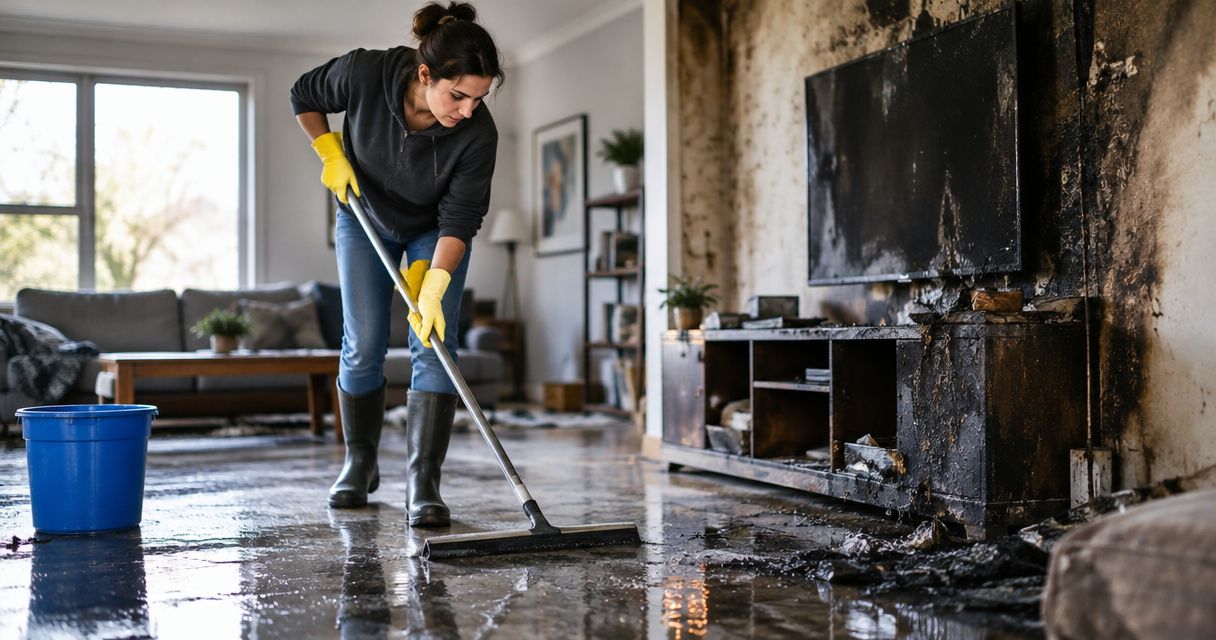
After a fire, the immediate pressure is often to retrieve belongings or get the house usable again. Those tasks can put you back into an affected space before the hazards are understood. Sweeping, moving textiles, or running equipment can disturb residue that was sitting on surfaces.
For your 2026 recovery plan, separate three decisions: whether you need medical attention, whether entry is permitted, and whether cleanup is complete. A restoration contractor addresses property conditions. A clinician evaluates symptoms, while emergency officials address immediate fire and entry hazards.
What symptoms should you watch for?
Smoke-related irritation can affect your eyes, nose, throat, and breathing. Watch for burning or watery eyes, a scratchy throat, coughing, wheezing, chest tightness, or shortness of breath. Headache, dizziness, and nausea also deserve attention, particularly after an enclosed-space fire.
Do not use a symptom checklist to diagnose yourself. These symptoms have multiple possible causes, and serious smoke inhalation injuries are not always obvious at first. Tell a healthcare professional that a fire or smoke exposure occurred, where you were, and whether symptoms change when you leave the building.
When is smoke exposure an emergency?
Leave the affected area and call 911 for severe breathing difficulty, chest pain, confusion, fainting, or suspected carbon monoxide poisoning. Call from a safe location; do not remain inside to find the source or collect belongings.
A carbon monoxide alarm also requires immediate action, even if nobody feels sick. Carbon monoxide has no smell, so neither a strong smoke odor nor the absence of odor tells you whether it is present. Do not reenter until emergency personnel say it is safe.
Who needs extra caution?
Children, older adults, pregnant people, and people with heart or lung disease need particular care around smoke exposure. Asthma and chronic obstructive pulmonary disease can make smoke-related breathing problems more concerning. Follow any existing clinician-provided action plan and seek help when symptoms worsen.
Keep vulnerable occupants away from affected areas during assessment and cleanup. Do not ask them to enter briefly to judge whether the smell is tolerable. Tolerating an odor is not a health assessment.
Why smoke-related health risks vary
There is no universal exposure level you can infer from photographs or smell. Public guidance from the Environmental Protection Agency and Centers for Disease Control and Prevention identifies smoke particles and gases as health concerns; the circumstances of the fire determine which hazards need attention.
These factors shape the assessment:
- What burned: Different materials produce different mixtures of particles and gases. A room-by-room inventory helps identify affected contents without guessing at the chemistry.
- How much exposure occurred: Being inside an enclosed smoke-filled room differs from noticing a residual odor after the fire is out.
- How long exposure lasted: Continued time in an affected space adds exposure. Leaving the area stops that ongoing contact while you seek guidance.
- Your underlying health: Existing respiratory or cardiovascular conditions affect how your body responds.
- How residue is handled: Dry sweeping, shaking fabrics, or using unsuitable equipment can put settled particles back into the air.
- Where contamination traveled: Soot on furnishings, inside cavities, or around ventilation components requires more than checking the room where flames were visible.
For a 2026 cleanup decision, use these factors to frame questions for a qualified professional. Do not turn them into a do-it-yourself clearance score.
What should you do before cleaning smoke damage?
Best for an active fire or medical emergency: emergency responders. Best for symptoms after exposure: a healthcare professional. Best for assessing damaged materials and cleanup: a qualified restoration contractor. These roles complement one another; none replaces the others.
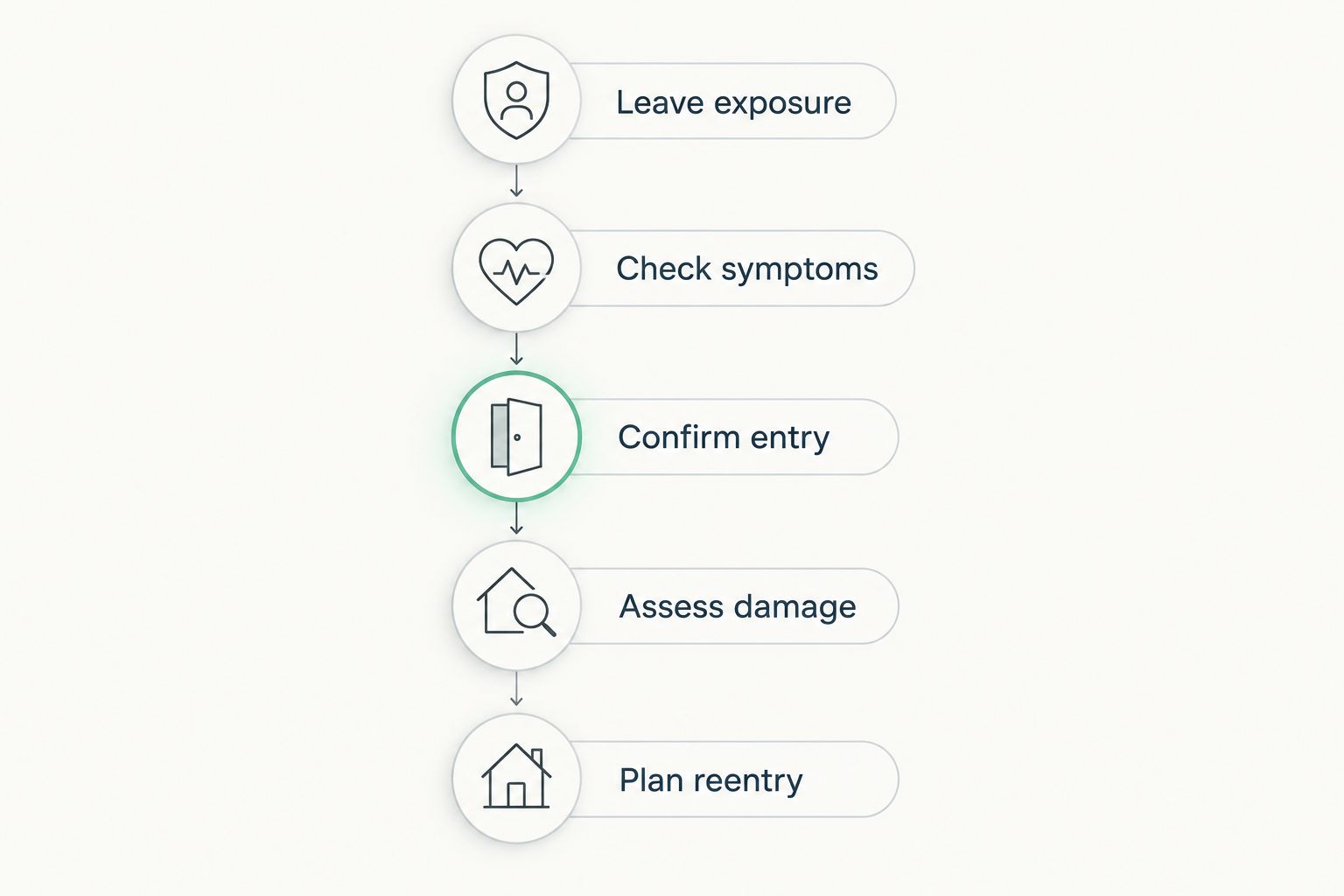
- Leave exposure. Move to a safe location away from the affected building. Do not investigate smoke, enter restricted areas, or touch damaged electrical equipment.
- Check symptoms. Seek emergency help for severe symptoms and medical advice for persistent or worsening irritation. Explain the fire exposure rather than describing only a cough or headache.
- Confirm entry. Follow fire department and local authority instructions. Permission to enter briefly does not automatically mean the building is ready for normal occupancy.
- Assess damage. Arrange an evaluation of affected surfaces, contents, and relevant building systems. Ask what needs cleaning, removal, or further specialist review.
- Plan reentry. Request a clear explanation of completed work, unresolved conditions, and any remaining restrictions before moving back in.
The order matters: protecting people comes before documenting losses or starting deodorization. A cleanup appointment is not a substitute for emergency care or permission to enter.
Can you clean smoke residue yourself?
Limited household cleaning and fire-residue cleanup are not the same task. The appropriate approach depends on the material, the extent of contamination, and whether entering and working in the space is safe. Extensive soot, uncertain residues, damaged building materials, or ventilation concerns call for professional assessment.
Avoid dry sweeping soot or using an ordinary household vacuum on it. Those actions can redistribute fine residue. Do not mix cleaning products, and do not assume that adding fragrance, repainting, or opening windows removes the source of contamination.
A properly fitted, NIOSH-approved N95 respirator filters particles; it does not protect against carbon monoxide or other gases. It also does not make an unsafe building safe to enter. The same limitation applies in 2026: protective equipment must match the hazard, and a face covering is not permission to investigate a fire-damaged room.
What should a restoration assessment explain?
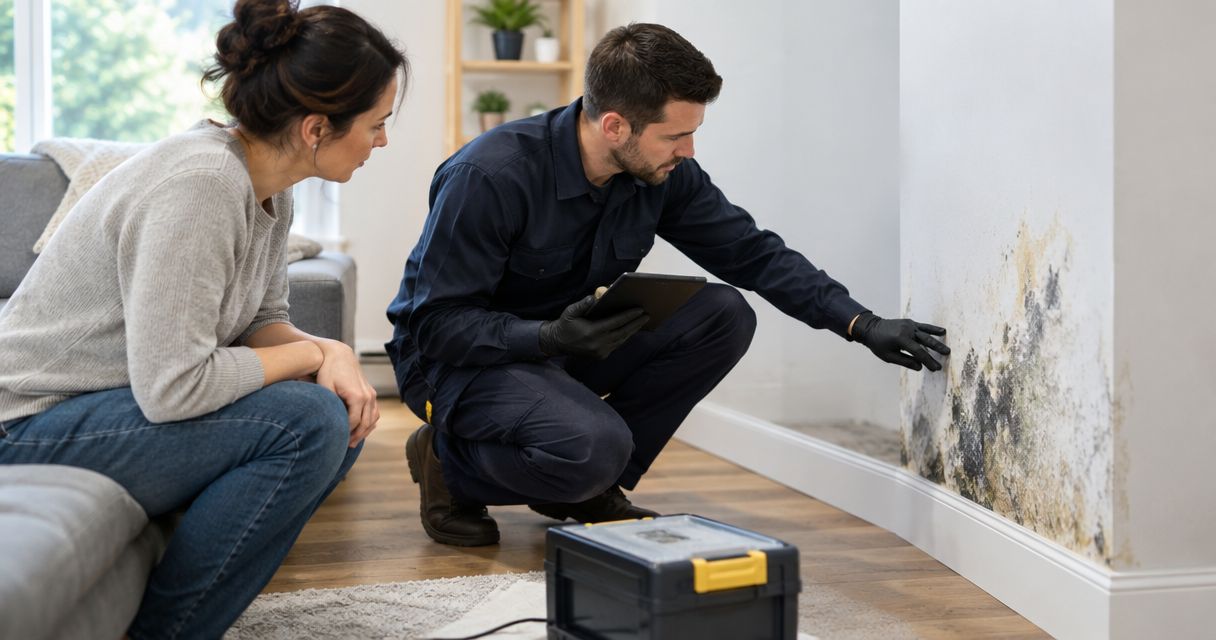
Ask for a written scope that distinguishes cleaning from odor treatment, material removal, and any further evaluation. You should understand which areas were inspected, what remains affected, and how the contractor will judge the work complete. Ask separately about contents and ventilation components rather than assuming they are included.
Firewaterdamage is a fire damage restoration option for homeowners and property owners in Temecula, Escondido, and North County San Diego/Inland Empire who need IICRC-certified cleanup crews. The company offers emergency response 24 hours a day, but restoration services do not replace medical care or official entry guidance.
Request fire damage restoration help
Ask about assessment and cleanup for your fire-damaged property.
Can you sleep in a house that smells like smoke?
Smoke odor alone cannot establish whether a house is safe to sleep in. After a fire, entry restrictions, unresolved contamination, utilities, structural conditions, and the health of occupants all matter. Do not use an open window or an air freshener as a substitute for assessment.
If being inside triggers coughing, wheezing, headache, or eye irritation, leave and seek appropriate medical advice. Arrange another place to stay while unresolved safety concerns are addressed. A temporary return to retrieve approved belongings is different from spending the night.
Does removing the smoke smell make the house safe?
Removing smoke odor does not prove that a house is safe. Odor treatment and contamination removal are different tasks, and a pleasant smell cannot verify the condition of hidden materials or building systems. Ask what was cleaned or removed, not only what deodorizing method was used.
The EPA warns that ozone can harm the lungs and that concentrations within public health limits have little potential to remove many indoor contaminants. Do not run an ozone generator in an occupied space or treat ozone use as evidence that cleanup is complete.
How long can smoke damage affect your health?
There is no single recovery time or safe waiting period for every smoke exposure. Effects depend on the exposure, your health, and whether contact with contamination continues. A calendar cannot establish that an affected room is ready for occupancy.
Persistent or worsening symptoms need medical evaluation, even after the property smells better. Keep medical follow-up separate from the restoration schedule: completing a cleanup task does not determine when an individual has recovered.
FAQ
Can smoke damage make you sick after the fire is out?
Yes, contact with smoke residue and breathing disturbed soot can cause irritation after a fire is out. Active combustion gases and residual contamination are different hazards, so obtain an appropriate assessment rather than judging safety by appearance.
Can smoke damage cause headaches?
Smoke exposure can cause headaches, but a headache alone does not identify the cause. Headache with dizziness, nausea, confusion, or suspected carbon monoxide exposure requires prompt action; leave the area and seek medical help.
Is it safe to stay if the smoke smell is faint?
A faint smoke smell does not establish that a building is safe. Follow official entry guidance and have unresolved contamination assessed before using odor strength to make an occupancy decision.
Will an N95 mask protect me from fire gases?
An N95 respirator does not protect against carbon monoxide or other gases. A properly fitted, NIOSH-approved N95 filters particles, but it does not make a hazardous building safe to enter.
Can an air purifier replace smoke damage cleanup?
An air purifier cannot replace removal or cleaning of contaminated materials. Particle filtration can reduce airborne particles, but it does not resolve every gas, surface residue, or hidden contamination source.
Should I see a doctor if coughing continues after smoke exposure?
Persistent or worsening coughing after smoke exposure needs medical advice. Seek emergency help for severe breathing difficulty, chest pain, confusion, or fainting rather than waiting for a restoration appointment.
Can Firewaterdamage tell me whether my symptoms are from smoke?
Firewaterdamage provides fire and water damage restoration, not medical diagnosis. A healthcare professional should evaluate symptoms and determine the medical care you need.
One last thing
Do not use your nose as a clearance test. Carbon monoxide is odorless, while some odors remain noticeable at levels that do not tell you the health risk. Smell and safety are different questions.
Before returning to normal occupancy in 2026, ask a precise question: “What conditions remain unresolved, and what is the basis for recommending reentry?” That answer is more useful than a promise that the house will smell fresh.