Yes, you can remediate mold yourself when the affected area is small, the moisture source is fixed, and the cleanup does not involve sewage, contaminated HVAC equipment, or hidden damage. The EPA says homeowners can usually handle areas smaller than about 10 square feet, but that size guideline does not override health risks or complicated water damage. DIY cleanup means removing mold and correcting moisture—not simply spraying the stain.
- Can you remediate mold yourself? Usually, for uncomplicated areas smaller than about 10 square feet, according to EPA guidance.
- Fix the moisture source before cleaning; mold can return when materials remain damp.
- Stop DIY work when sewage, HVAC contamination, hidden growth, or vulnerable occupants complicate the cleanup.
- Firewaterdamage provides 24/7 fire and water damage response for property owners in its Southern California service area.
Why this matters
A small surface patch and a water-damaged wall require different decisions. Scrubbing visible growth does not establish that the material behind it is dry, and opening a wall can expose contamination beyond your original cleanup area.
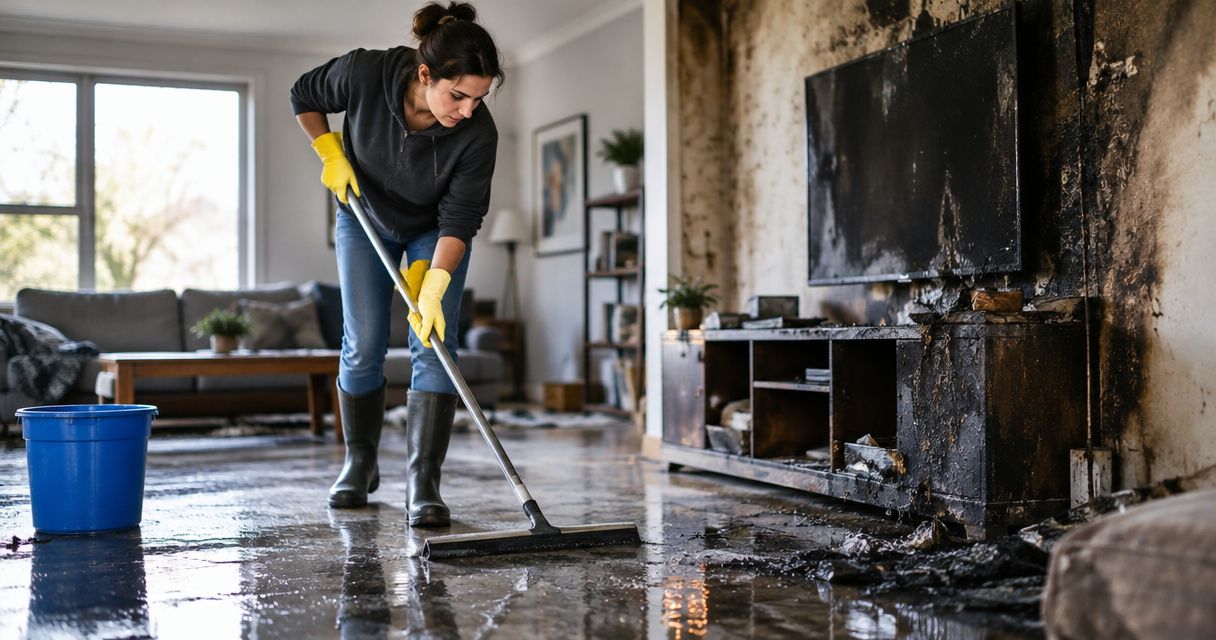
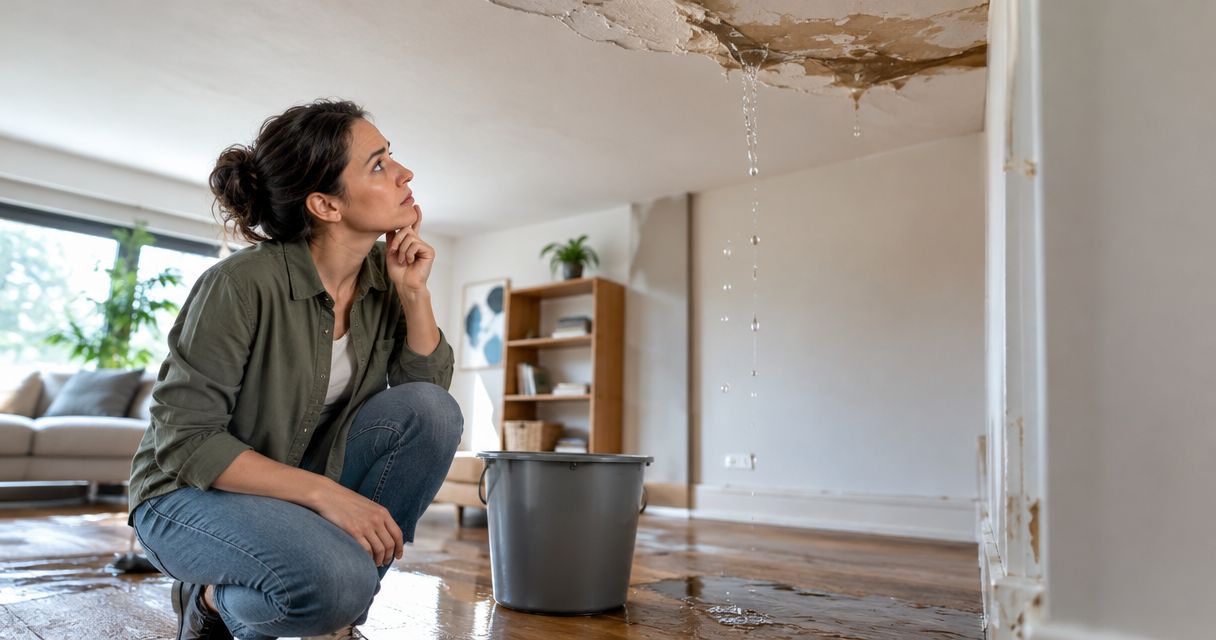
For homeowners dealing with an active leak or flooded room, Firewaterdamage offers emergency fire and water damage response. Stop the water problem before treating the visible mold as an isolated cleaning task.
This 2026 guide uses the EPA’s A Brief Guide to Mold, Moisture and Your Home for household cleanup principles. Its central distinction is practical: the affected area matters, but the water source, material, and occupants matter too.
Can you remediate mold yourself?
You can usually clean a small, accessible patch yourself when it is on a washable surface, the water source is clean, and you can work without exposing vulnerable occupants. Choose professional assessment when the extent or source is uncertain—not just when the stain looks dramatic.
| Approach | Best for | Main advantage | Main limitation |
|---|---|---|---|
| DIY surface cleanup | Small, uncomplicated patches on accessible hard surfaces | You can address a limited problem directly | Surface cleaning does not reveal hidden moisture or growth |
| Professional assessment and remediation | Larger areas, recurring growth, hidden damage, sewage, or suspected HVAC contamination | The work can address contamination beyond a visible surface | You need a defined scope; hiring someone does not replace fixing the leak |
The EPA’s approximately 10-square-foot guideline is a decision aid, not a guarantee of safety. A smaller patch next to sewage damage is not a suitable DIY project simply because it fits below that threshold.
Before choosing either approach, answer these questions:
- Do you know where the moisture came from?
- Can you see the entire affected area without demolition?
- Is the material washable rather than soft, crumbling, or deeply contaminated?
- Can you keep people with asthma, significant allergies, or weakened immune systems away from the work?
- Can you clean and dry the area without disturbing electrical hazards or suspected hazardous building materials?
An uncertain answer is a reason to stop and assess—not to start scraping.
Under about 10 square feet: when DIY cleanup fits
An area of 10 square feet is approximately a square measuring 3 feet by 3 feet. Measure the affected surfaces rather than judging the size from a doorway, and account for nearby patches instead of treating each spot as unrelated.
A small patch on washable tile presents a different task from mold on swollen drywall. The tile surface can be scrubbed; damaged drywall can involve contaminated paper facing and material that cannot be cleaned effectively in place.
The benefit of DIY work is control over a genuinely limited cleanup. The drawback is limited visibility: you cannot confirm a wall cavity is clean by wiping its painted face.
For your 2026 cleanup checklist, require all of these conditions before proceeding:
- The moisture source has been identified and corrected.
- The affected area is small and fully accessible.
- Sewage and other contaminated water are not involved.
- The work does not require opening a wall or disturbing insulation.
- You can use suitable protection and keep others away.
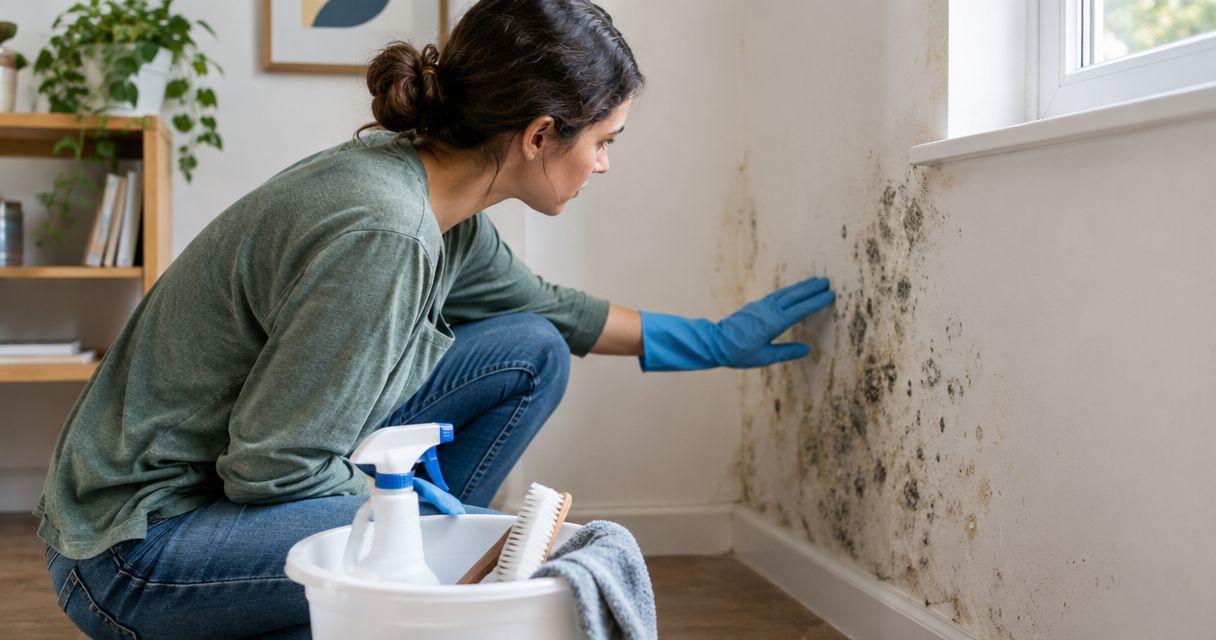
How to clean a small mold patch safely
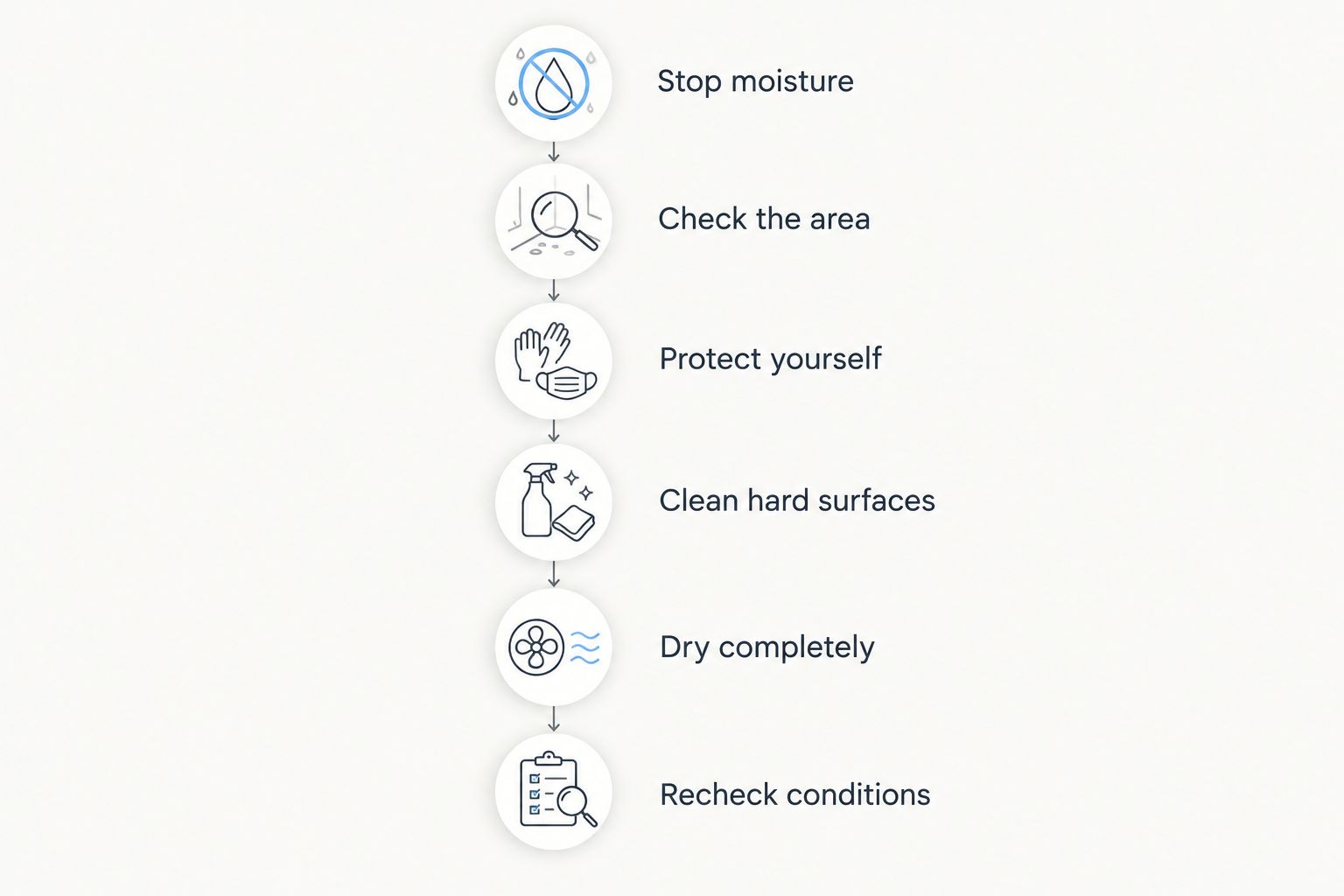
- Stop moisture. Repair the leak or correct the condensation problem. If water is still entering, cleaning alone will not resolve the cause.
- Check the area. Look for soft materials, recurring staining, musty odors beyond the visible patch, and nearby water damage. Stop if these suggest a larger problem.
- Protect yourself. EPA guidance recommends an N95 respirator, gloves, and goggles for household mold cleanup. A respirator does not make sewage, demolition, or HVAC work suitable for DIY handling.
- Clean hard surfaces. Scrub washable hard surfaces with detergent and water, following product and material instructions. Do not dry-brush, sand, or use an ordinary household vacuum on mold growth.
- Dry completely. Remove cleaning moisture and address the conditions that allowed dampness. Do not paint or caulk over mold.
- Recheck conditions. Look for renewed dampness, visible growth, and persistent odor. Recurrence means the cause or extent needs another assessment.
The sequence matters: stopping moisture comes before cleaning, and drying comes before finishing or repainting. Protective equipment reduces exposure during a suitable small cleanup; it does not expand the scope you should attempt.
Larger or complicated areas: when to call a professional
For areas larger than about 10 square feet, the EPA directs readers toward its more detailed remediation guidance. That does not establish a legal boundary between homeowner and contractor work; it signals that the project needs more careful evaluation.
Do not use the size threshold to dismiss contamination from sewage, hidden cavities, or ventilation equipment. Those conditions change the work even when the visible patch is small.
Get professional help when:
- Mold returns after cleaning and moisture correction.
- Water damage extends behind walls, under flooring, or into insulation.
- You suspect contamination inside the HVAC system.
- Sewage or another contaminated water source caused the damage.
- Occupants have health conditions that make exposure especially concerning.
- The task requires demolition or handling materials with unknown hazards.
If you suspect HVAC contamination, do not run the system until it has been evaluated; EPA guidance warns that a contaminated system can spread mold through a building. Do not aim fans across visible growth into occupied rooms.
Firewaterdamage is best for homeowners and property owners seeking 24/7 fire and water damage response in Temecula, Escondido, and its North County San Diego/Inland Empire service area. Its stated services include IICRC-certified cleanup crews; confirm the proposed mold-related work and scope before authorizing a project.
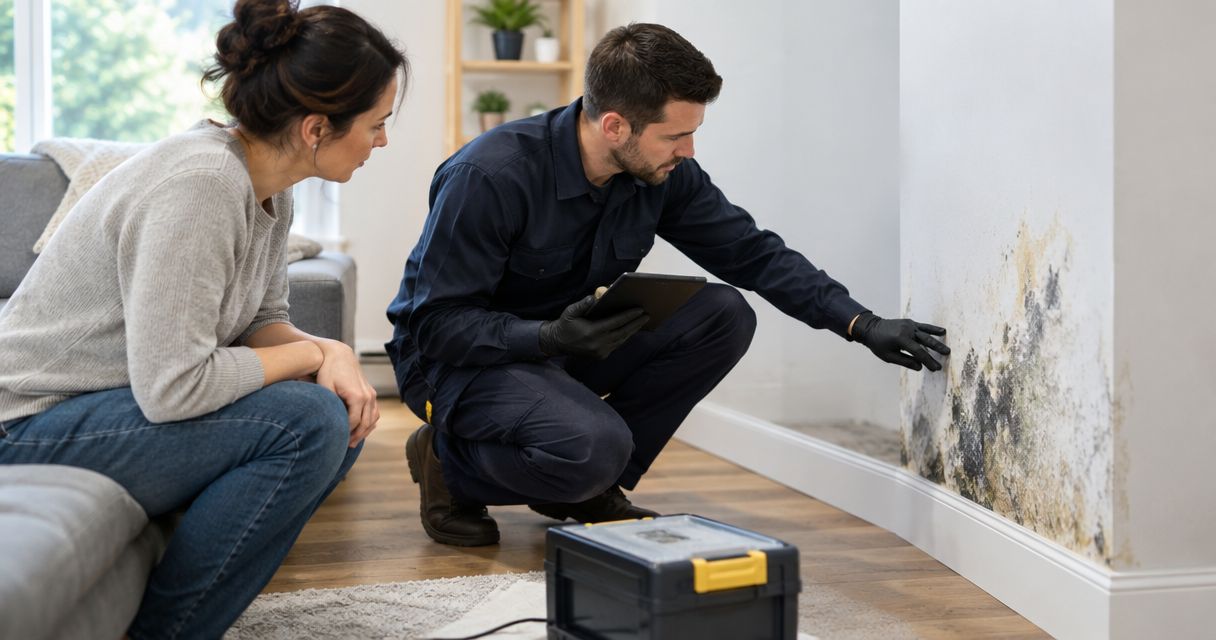
For any contractor you consider in 2026, ask what will be cleaned, what requires removal, how adjacent spaces will be protected, and how drying will be evaluated. A vague promise to treat the room is not a defined remediation plan.
Why DIY suitability varies
The right decision depends on more than the visible square footage. These factors determine whether you have a surface-cleaning task or a building-damage problem:
- Affected material: Hard, washable surfaces can often be scrubbed. Moldy porous materials, including ceiling tiles and carpet, can require disposal because growth is difficult to remove completely.
- Water source: A clean-water leak differs from sewage contamination. Contaminated water introduces hazards beyond mold alone.
- Hidden extent: A visible patch does not establish what is behind drywall, beneath flooring, or inside a cabinet base.
- Moisture persistence: An unresolved leak, condensation problem, or damp cavity allows growth to return after cleaning.
- Occupant vulnerability: People with asthma, mold allergies, or weakened immune systems should avoid cleanup exposure and seek appropriate medical advice.
- Air movement: HVAC involvement or uncontrolled airflow can distribute contamination beyond the original area.
There is no useful shortcut based on color. Appearance alone does not tell you whether a patch is safe to disturb or whether the water problem is resolved.
Do you need mold testing before cleaning?
You generally do not need mold testing when mold is already visible. EPA guidance says sampling is usually unnecessary in that situation, and there are no federal limits for airborne mold or mold spores against which a household sample can establish compliance.
Testing also does not replace a moisture investigation. A laboratory result cannot tell you that a leaking pipe has been repaired or that wet insulation has dried.
For a 2026 cleanup decision, start with the visible damage, moisture source, affected materials, and occupants. Ask what specific question testing would answer before agreeing to it.
Is bleach necessary for DIY mold removal?
Bleach is not routinely recommended by the EPA for mold cleanup. For suitable hard surfaces, the agency recommends scrubbing with detergent and water and drying completely.
Killing mold is not the same as removing it. Dead mold can still cause allergic reactions, so leaving treated growth on a surface does not complete the job.
Never mix bleach with ammonia or other cleaning products. Follow the label of any cleaner you use, and do not substitute a stronger chemical for correcting moisture or removing unsalvageable material.
How do you keep mold from coming back?
Prevent recurrence by controlling moisture, not by repeatedly treating stains. EPA guidance recommends drying wet materials within 24–48 hours to help prevent mold growth; this is a prevention target, not proof that an already affected building is safe.
The EPA also recommends keeping indoor relative humidity below 60%, ideally between 30% and 50%. A room humidity reading does not establish that a wall cavity or subfloor is dry.
Use this 2026 follow-up checklist after cleanup:
- Check the original leak during the conditions that caused it, such as rainfall or plumbing use.
- Look for renewed staining, swelling, condensation, or visible growth.
- Use bathroom and kitchen exhaust ventilation appropriately.
- Keep drying equipment focused on moisture control without blowing across mold.
- Investigate recurrence rather than repeating the same surface treatment.
A clean-looking wall is not evidence that the material behind it is dry. If the same patch returns, reassess the source and extent before repainting.
FAQ
Can I remove mold myself if the area is smaller than 10 square feet?
You can usually handle an uncomplicated area smaller than about 10 square feet, according to EPA guidance. Sewage, hidden damage, HVAC contamination, and vulnerable occupants are reasons to seek help even below that size.
What protective equipment should I wear to clean mold?
EPA household guidance recommends an N95 respirator, gloves, and goggles for mold cleanup. Protective equipment does not make demolition, sewage contamination, or an unknown extent of damage suitable for DIY work.
Can I stay in the room while someone else cleans mold?
Keep people who are not doing the cleanup away from the work area. People with asthma, significant mold allergies, or weakened immune systems should avoid exposure; larger projects require a project-specific occupancy plan.
Should I throw away moldy drywall or carpet?
Moldy porous materials such as drywall and carpet can require removal because cleaning cannot reliably reach growth within the material. Assess the extent and potential building-material hazards before cutting, tearing, or removing anything.
Does painting over mold stop it from growing?
Painting over mold does not remove it or fix the moisture source. Clean or remove affected material as appropriate and dry the area before repainting.
How do I know whether DIY mold cleanup worked?
Successful cleanup requires correcting moisture, removing visible mold, and drying affected materials. Persistent moldy odor, renewed growth, or continued dampness calls for further investigation rather than another coat of paint.
Does Firewaterdamage provide emergency help after a leak?
Firewaterdamage offers 24/7 emergency fire and water damage response with IICRC-certified cleanup crews. Its stated service area includes Temecula, Escondido, and North County San Diego/Inland Empire; confirm the scope needed for your property.
One last thing
The most useful before-and-after evidence is not just a photograph of a cleaner surface. Record what caused the moisture, what was repaired, which materials were cleaned or removed, and how you checked for continued dampness.
If you cannot explain why the area will stay dry, the cleanup is not finished. Save that question for your own work and for any contractor’s proposed scope.