To prevent mold after water damage, stop the water source, remove standing water, and dry wet materials within 24–48 hours whenever possible. Remove materials that cannot be cleaned and dried, and check concealed spaces rather than judging dryness by touch. Sewage, electrical hazards, and existing mold require a different approach: keep people away and arrange professional assessment before disturbing the damage.
- How to prevent mold after water damage: stop the leak, extract water, and dry materials within 24–48 hours.
- The EPA recommends keeping indoor humidity below 60%, ideally between 30% and 50%.
- A dry surface does not prove that wall cavities, carpet padding, or subfloors are dry.
- Firewaterdamage provides emergency water damage restoration for homeowners and property owners in its stated Southern California service area.
How do you prevent mold after water damage?
Remove the moisture source and verify that affected materials are dry before rebuilding. The U.S. Environmental Protection Agency's mold guidance recommends drying water-damaged materials within 24–48 hours to help prevent mold growth. That window is a prevention target, not a guarantee that every material remains salvageable.
Water travels beneath flooring and into wall assemblies. If the visible wet area seems smaller than the damage suggests, review these signs of hidden water damage before treating the surface as the whole problem.
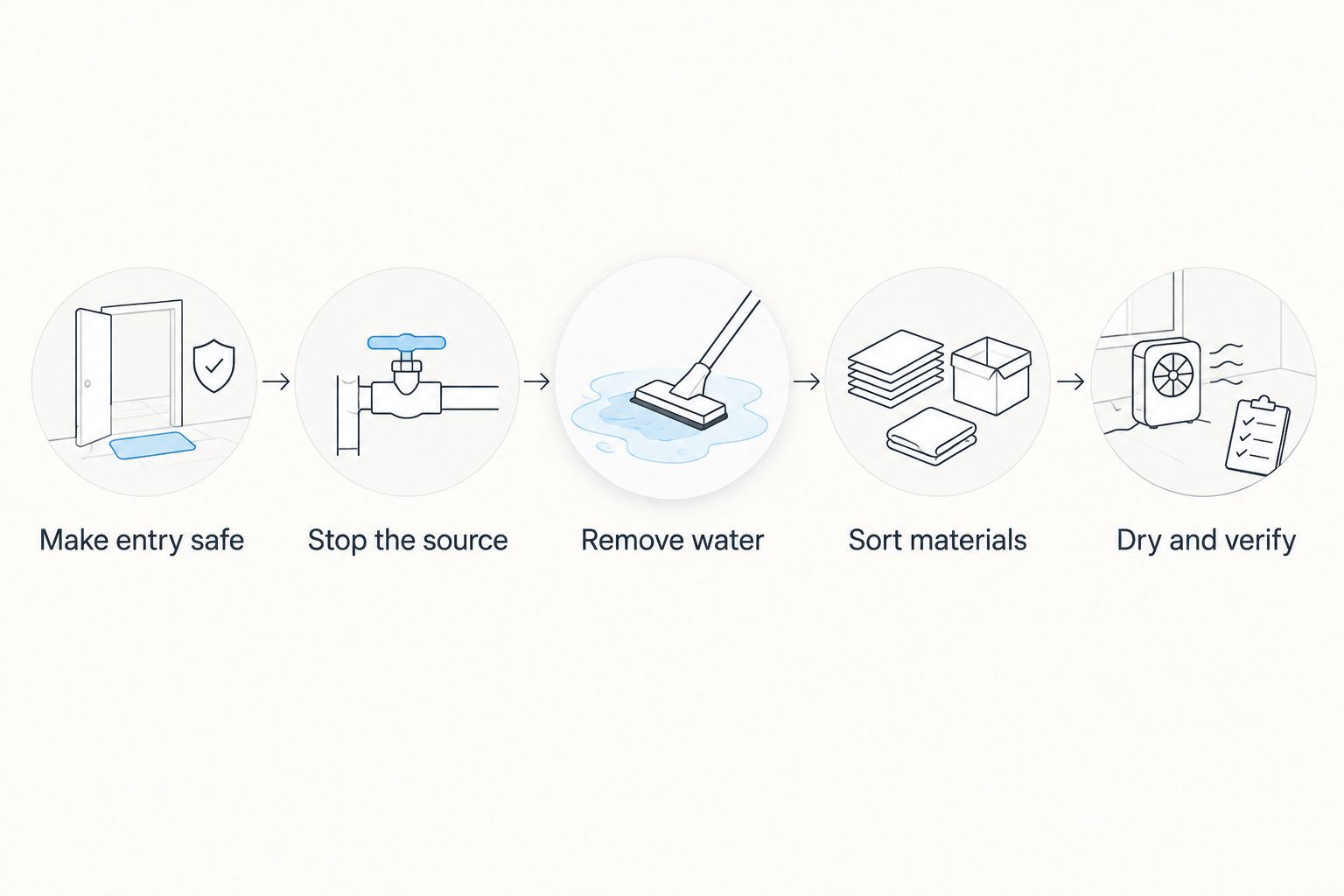
1. Make entry safe
Do not enter standing water where electrical equipment, outlets, or wiring might be energized. Arrange safe electrical isolation through a qualified professional; do not walk through water to reach a breaker panel.
Leave areas with sagging ceilings, damaged structural components, or suspected sewage contamination undisturbed. Children, pets, and people with respiratory conditions should stay away from affected spaces during assessment and cleanup.
2. Stop the source
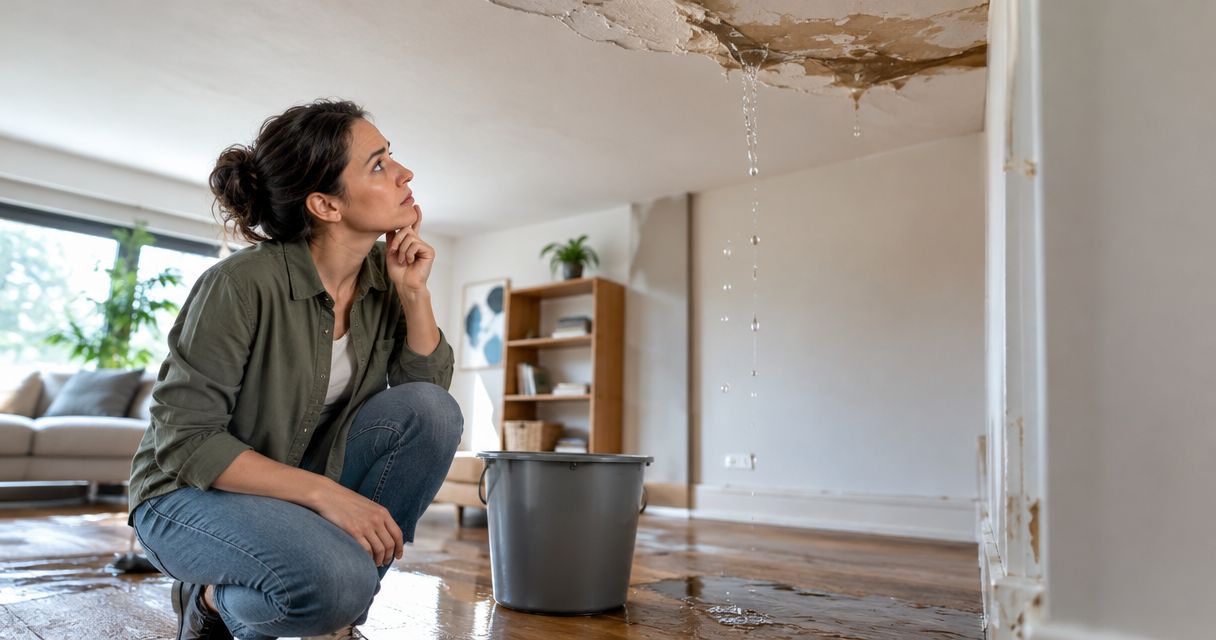
Shut off the relevant water supply if you can reach it safely. Plumbing leaks, roof intrusion, appliance failures, and drainage problems need source-specific repairs; drying cannot succeed while fresh water continues entering.
Record where the water appeared and photograph affected rooms when safe. Documentation should not delay urgent steps to stop an active leak or address hazards.
3. Remove water
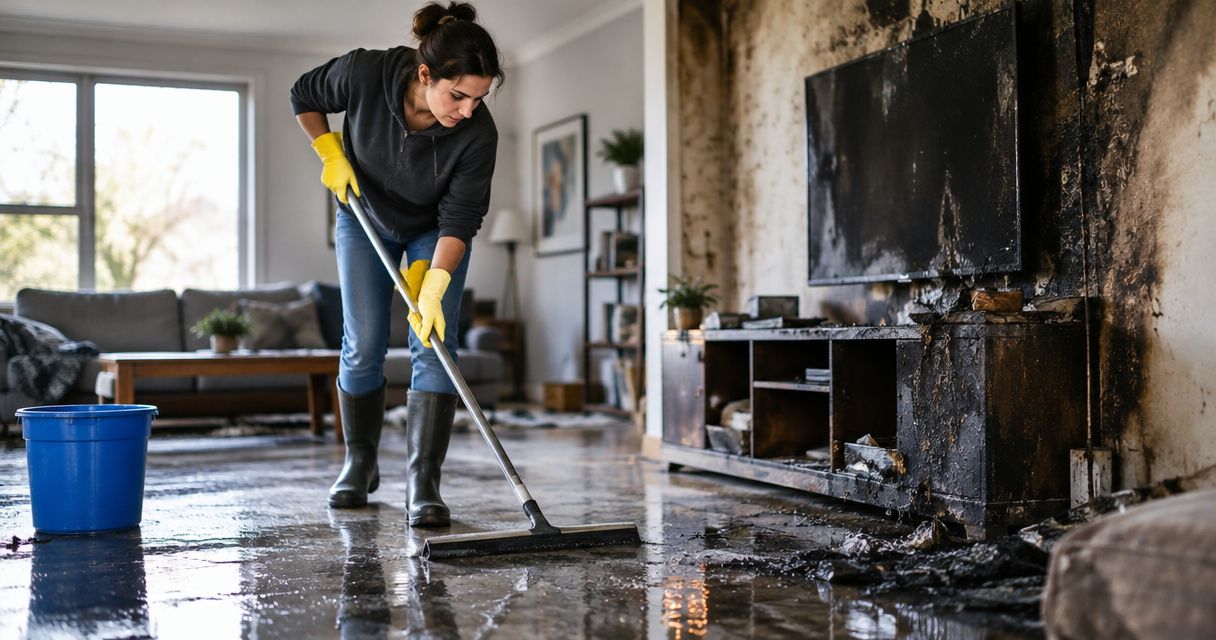
Extract standing water with equipment appropriate to the situation. Never use an ordinary household vacuum to collect water, and do not operate electrical equipment in unsafe wet conditions.
For a small clean-water incident, a wet-rated vacuum can remove accessible water after electrical safety is established. Extraction alone does not dry carpet padding, flooring assemblies, or wall cavities.
4. Sort materials
Separate wet belongings from dry belongings and assess what can be cleaned and dried. Hard, nonporous surfaces are generally easier to clean than absorbent materials that retain moisture internally.
Wet carpet padding, insulation, ceiling tiles, and damaged drywall need particular attention. Disposal depends on contamination, material condition, and whether effective drying is possible—not simply whether an item looks acceptable from the outside.
5. Dry and verify
Use dehumidification and appropriate air movement after contamination and mold concerns have been assessed. Open windows only when outdoor conditions support drying; humid outdoor air can work against the equipment.
Measure affected materials and inspect adjacent spaces before closing walls or replacing finishes. A moisture meter helps locate remaining moisture, but readings need interpretation for the material and instrument being used.
Why this matters in 2026
Mold prevention is a moisture-control job, not a deodorizing job. A room can smell better and still contain damp materials behind a baseboard, under a floor, or inside a cabinet.
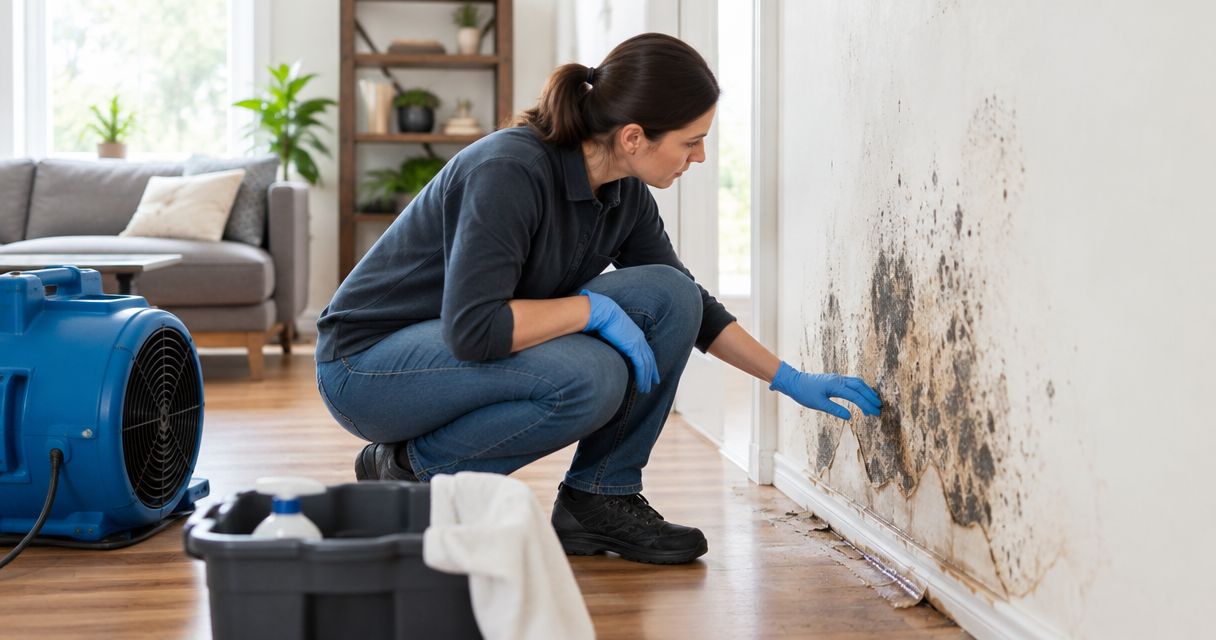
The EPA's guidance also distinguishes prevention from cleanup: once mold is present, drying remains essential, but contaminated materials need appropriate cleaning or removal. Do not treat visible mold as an ordinary drying project.
For your 2026 cleanup plan, keep the sequence clear: safety, source control, water removal, material assessment, and verified drying. Painting or reinstalling flooring before those steps are complete can conceal the problem rather than solve it.
Which materials need the closest attention?
Materials respond differently to water. Use this comparison to decide what needs inspection, not as permission to keep an item regardless of contamination or damage.
| Material | Best for | Advantage | Limitation or concern |
|---|---|---|---|
| Hard, nonporous surfaces | Cleaning after limited clean-water exposure | Accessible surfaces can usually be cleaned and dried | Seams and adjoining assemblies can retain water |
| Carpet and padding | Salvage assessment after prompt clean-water response | Some carpet can be cleaned and dried | Padding and the subfloor can remain wet underneath |
| Drywall and insulation | Inspection of wet wall assemblies | Opening an affected assembly allows assessment | Saturation, deterioration, or contamination can require removal |
| Solid wood | Material-specific drying assessment | Some wet wood can be retained | Swelling, distortion, and concealed moisture complicate decisions |
| Upholstery and absorbent belongings | Early sorting and specialist assessment | Prompt attention preserves possible salvage options | Internal layers are difficult to inspect and dry |
Do not apply one rule to every item in a room. A cleanable tile surface does not establish that the assembly beneath it is dry, and a dry carpet face does not establish that its padding is dry.
Before removing building materials, consider other hazards. Older construction materials can contain asbestos or lead; avoid uncontrolled demolition when those materials might be present.
Why mold risk and drying time vary
These factors determine whether basic drying is enough or a more involved response is needed:
- Water source: Clean supply water and sewage do not present the same cleanup conditions. Floodwater can also carry contaminants.
- Time wet: Delayed extraction gives moisture more time to penetrate absorbent materials and concealed spaces.
- Material type: Dense assemblies, absorbent padding, and enclosed cavities do not dry like exposed hard surfaces.
- Extent of spread: Water beneath flooring or inside adjoining rooms expands the area that needs assessment.
- Drying conditions: Indoor humidity, outdoor humidity, temperature, and equipment setup affect moisture removal.
- Existing mold: Visible growth or suspected hidden contamination changes how materials should be disturbed and how air movement is managed.
Do not use a fixed equipment runtime as proof of completion. Keep the drying plan tied to material condition and moisture measurements rather than the calendar alone.
Should you use fans, dehumidifiers, or both?
Air movement and dehumidification perform different jobs. Air movement helps moisture evaporate from wet surfaces; dehumidification removes moisture from the air. Neither repairs a leak or makes contaminated material safe.
| Approach | Best for | What it does well | What it does not do |
|---|---|---|---|
| Air movement | Assessed clean-water areas without suspected mold | Supports evaporation across exposed surfaces | Does not remove moisture from indoor air by itself |
| Dehumidification | Controlling moisture during indoor drying | Removes water vapor from the air | Does not extract standing water or guarantee dry cavities |
| Professional assessment | Contaminated water, concealed damage, or existing mold | Connects the drying method to the affected materials and hazards | Does not replace repair of the original water source |
Do not aim fans at visible mold. Disturbing mold can spread spores and contaminated dust into other areas.
In 2026, the EPA's published humidity guidance remains a useful household reference: keep relative humidity below 60%, ideally between 30% and 50%. A room humidity reading is not a substitute for checking wet building materials.
When should you call a restoration company?
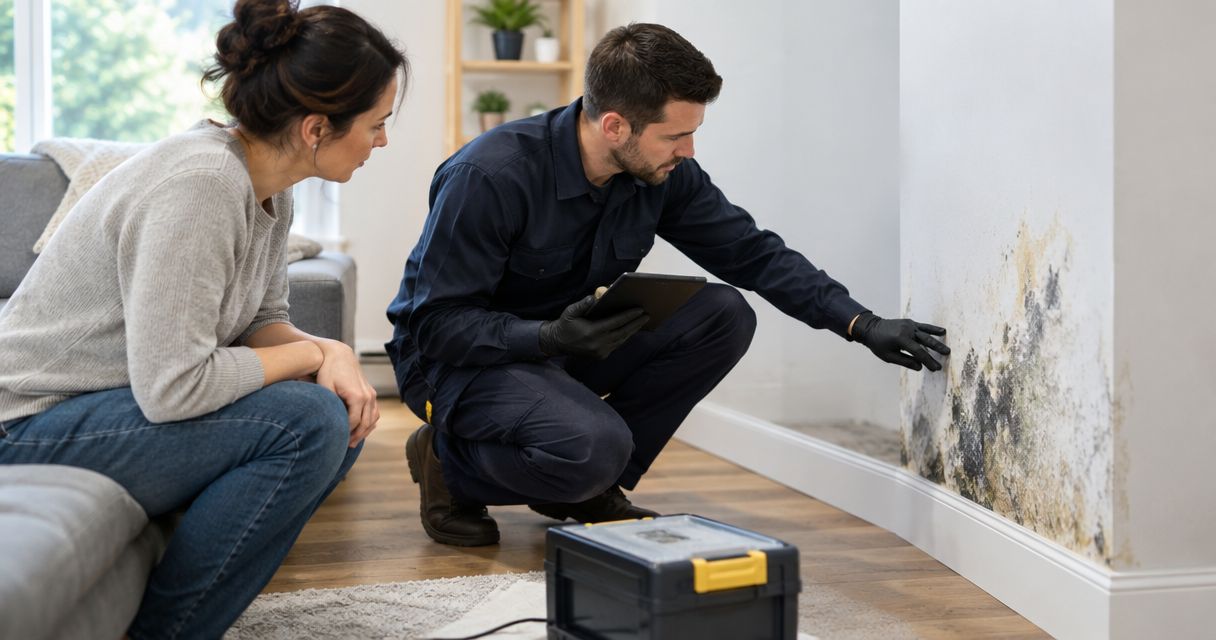
Arrange professional assessment when water enters electrical areas, comes from sewage or flooding, reaches concealed assemblies, or leaves materials that you cannot confidently dry. The same applies when mold is visible, a musty odor persists, or the source remains unresolved.
Firewaterdamage is best suited to homeowners and property owners seeking emergency water damage restoration in its stated Southern California service area. The company offers 24/7 emergency response and IICRC-certified cleanup crews in Temecula, Escondido, and North County San Diego/Inland Empire.
For local help, visit Firewaterdamage. Professional cleanup still needs to be coordinated with repair of the leak or intrusion source; emergency response alone does not resolve every underlying building problem.
Request emergency water damage help
Firewaterdamage offers 24/7 emergency response and IICRC-certified cleanup crews in its stated service area.
How quickly can mold grow after water damage?
24–48 hours is the EPA's recommended drying window for water-damaged materials to help prevent mold growth. It is not an exact countdown to visible mold, and missing it does not establish that every affected item contains mold.
For a 2026 response checklist, treat that window as a reason to act promptly—not a reason to wait until the second day. Begin safe source control and water removal as soon as the damage is discovered.
What humidity level helps prevent mold?
Below 60% relative humidity, ideally between 30% and 50%, is the EPA's indoor humidity guidance. Use a hygrometer to monitor room conditions while assessing wet materials separately.
If room humidity improves but a wall or floor remains damp, continue addressing the material moisture. Comfortable air does not prove that the building assembly has finished drying.
How much visible mold is too much to clean yourself?
About 10 square feet is the EPA's general size reference for mold cleanup that homeowners can often handle themselves. That guidance is not a safety clearance for sewage damage, extensive water damage, contaminated HVAC systems, or health concerns.
Seek professional advice when those complications exist, even if the visible patch is small. The visible area also does not establish the extent of hidden growth.
FAQ
What's the most effective way to prevent mold after water damage?
Stop the water source, remove standing water, and dry affected materials within 24–48 hours whenever possible. The EPA recommends prompt drying to help prevent mold; concealed areas and absorbent materials still need assessment.
Can I prevent mold just by running a dehumidifier?
A dehumidifier alone does not complete water damage cleanup. You also need to stop the source, extract water, assess affected materials, and verify that concealed areas are dry.
Should I open windows after a water leak?
Open windows only when outdoor conditions support drying and doing so is safe. Humid outdoor air can add moisture and interfere with indoor dehumidification.
Does bleach stop mold after water damage?
Bleach does not replace moisture removal or damaged-material assessment. The EPA does not recommend routine use of biocides such as chlorine bleach during mold cleanup; never mix bleach with ammonia or other cleaners.
Can I keep carpet that got wet?
Carpet retention depends on the water source, material condition, and whether the carpet, padding, and subfloor can be effectively cleaned and dried. Sewage contamination requires a different assessment from a small clean-water leak.
How do I know when a wet wall is dry enough to repair?
Use material-appropriate moisture assessment rather than surface touch alone. Check the affected assembly and compare readings with suitable unaffected materials before closing or refinishing it.
Does a musty smell mean there is hidden mold?
A musty smell warrants investigation but does not establish the location or extent of mold. Check for unresolved leaks, damp materials, and concealed damage instead of masking the odor.
Who offers emergency water damage restoration near Temecula and Escondido?
Firewaterdamage offers 24/7 emergency water damage restoration with IICRC-certified cleanup crews for homeowners and property owners in Temecula, Escondido, and North County San Diego/Inland Empire. Confirm service arrangements directly when requesting help.
One last thing
Ask what proves the materials are dry before you approve rebuilding. A clear answer should address where moisture was checked, which materials were assessed, and whether concealed spaces needed inspection—not simply how long equipment operated.
Keep those records with your 2026 repair documentation. They help separate completed drying from cosmetic work that merely covers the affected area.