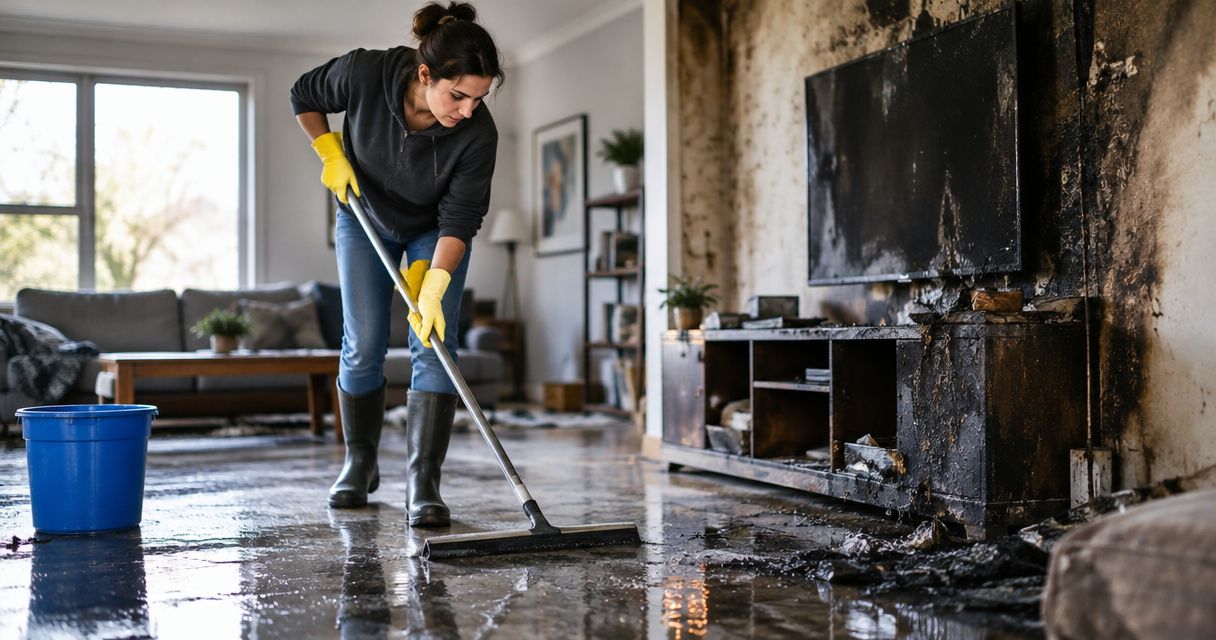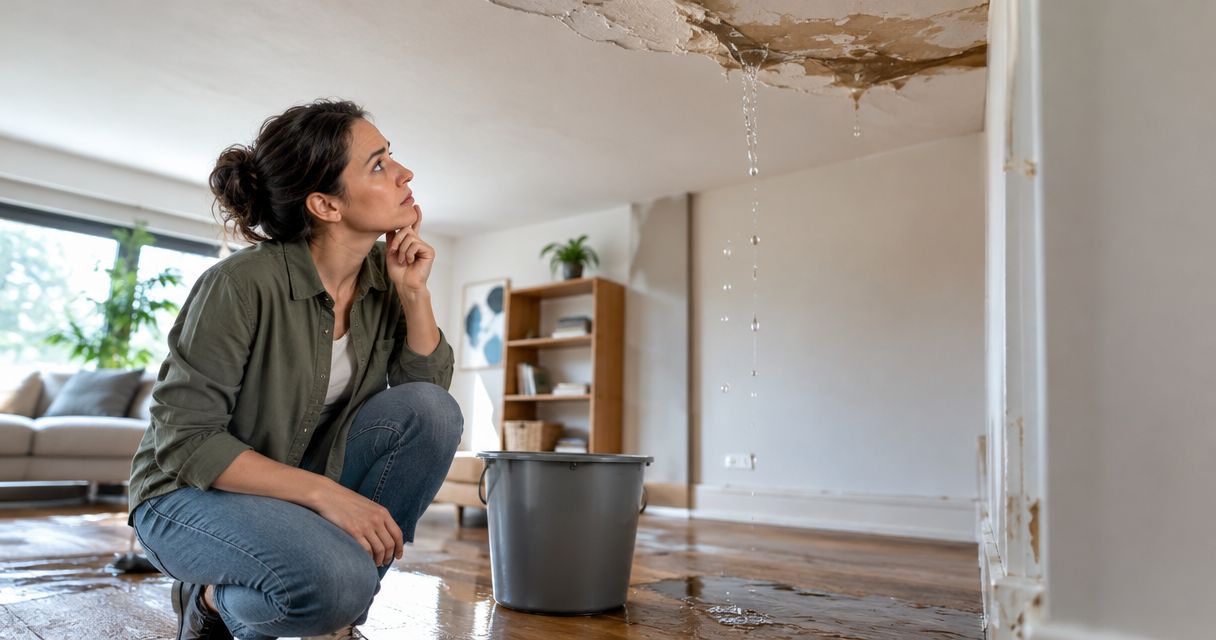
You can stay in your home during water damage restoration only when the occupied area remains safe, separate from the work, and supplied with essential utilities. Leave when sewage, unsafe electrical systems, structural damage, or an uncontrolled work area puts you at risk. In 2026, base the decision on the condition of your home and the work planned—not on whether the floor looks dry.
- Can you stay in your home during water damage restoration? Only when safe living space remains separate from restoration work.
- Leave affected areas when sewage, electrical hazards, structural damage, or uncontrolled contamination is present.
- Firewaterdamage offers 24/7 emergency response for homeowners needing local water damage restoration.
- Reassess occupancy during demolition, drying, and repairs; permission to stay is not permanent clearance.
Can you stay in your home during water damage restoration?
Staying is reasonable only when the restoration work does not compromise your living space, essential services, or exit routes. A damaged room that can be isolated presents a different occupancy decision from water affecting bedrooms, electrical equipment, and the only bathroom.
The water damage restoration timeline helps explain why that decision changes between extraction, drying, demolition, and repairs. Ask about each phase rather than requesting a single move-back date.
| Occupancy option | Best for | Main benefit | Main limitation |
|---|---|---|---|
| Stay in a separate part of the home | Households with safe utilities and an isolated work area | Maintains access to unaffected living space | Noise, equipment, and changing work boundaries still disrupt daily life |
| Leave during disruptive work | Households with safe sleeping space but intrusive daytime work | Separates occupants from active demolition or repairs | Requires a clear daily handover before returning |
| Relocate until safety concerns are resolved | Households facing contamination, unsafe utilities, or structural hazards | Removes occupants from the affected environment | Requires temporary accommodation and coordination with the restoration team |
These are decision paths, not automatic approvals. A closed bedroom door does not establish that the air, wiring, or route to the bathroom is safe.
Why this matters
Water damage creates two separate questions: whether the building is safe to occupy and whether you can live there while restoration continues. A home can meet one condition without meeting the other.
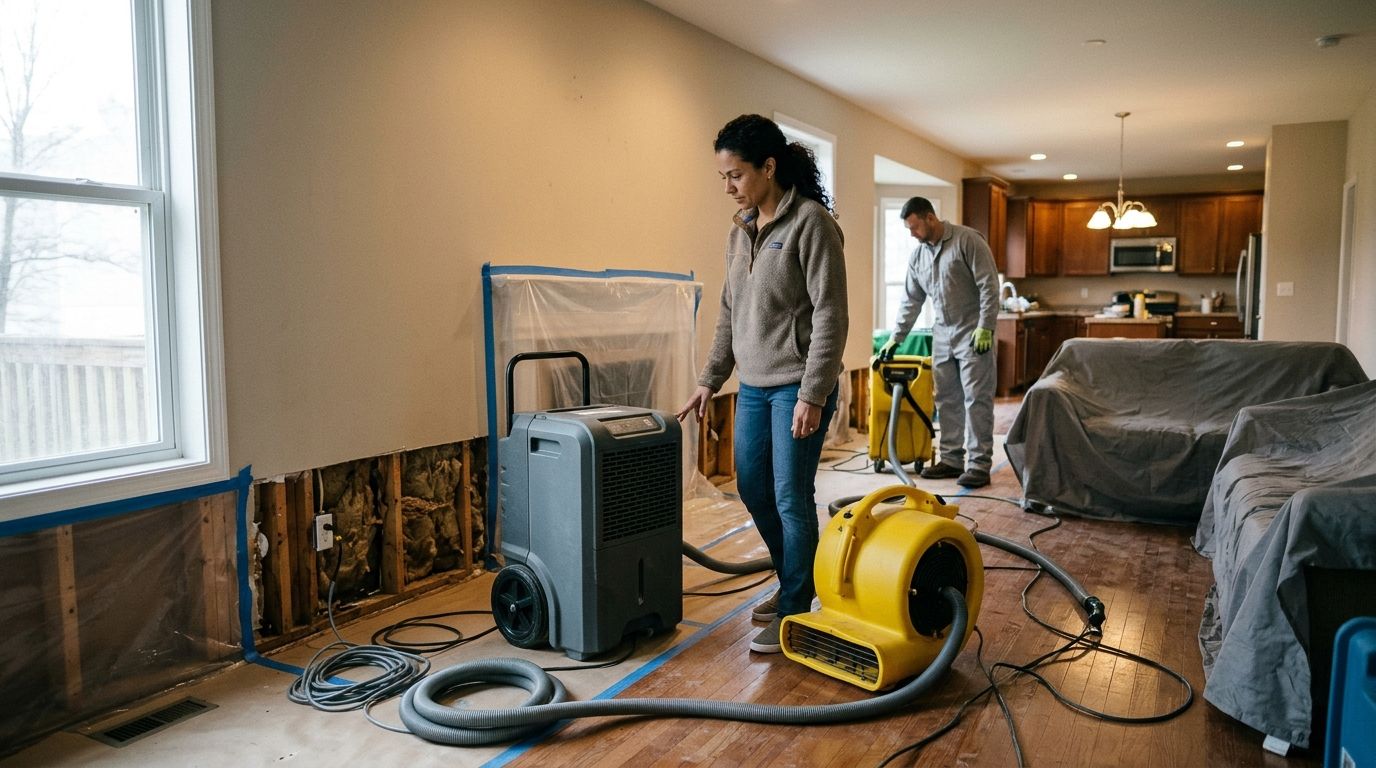
Drying equipment produces noise and heat. Removed flooring, exposed wall cavities, cables, and hoses also change how you move through rooms. Even without a building-wide hazard, those conditions can make normal household routines impractical.
For your 2026 occupancy plan, separate safety requirements from comfort preferences. Safety determines whether staying is acceptable; sleep, privacy, cooking access, and work-from-home needs determine whether it is practical.
Stay in an unaffected area: require genuine separation
Staying is most practical when damage is limited, the source has been controlled, and the work area can remain separate from everyday living. You still need safe access to a bathroom, drinking water, sleeping space, and exits.
Ask the restoration lead to show you the actual boundary. Identify which doors remain closed, which rooms are restricted, and whether workers need to carry debris through occupied spaces.
Do not treat plastic sheeting as proof that every hazard is controlled. Containment must suit the work, and shared heating or cooling systems need consideration when dust or contamination is involved.
The advantage of staying is continuity: you retain access to unaffected rooms and belongings. The drawback is that the arrangement depends on boundaries holding throughout the job, including evenings when crews are absent.
Leave during active work: agree on return conditions
Leaving during demolition or other disruptive work can separate you from dust, noise, and debris handling. This approach requires more than an informal promise that work will finish before dinner.
Before leaving, agree on what must happen before you return. Ask whether debris will be removed, walking routes cleared, utilities restored, and occupied rooms protected from the work area.
This arrangement works best when the home remains otherwise suitable for occupancy. It does not solve sewage contamination, unsafe wiring, structural instability, or a lack of usable sanitation.
The benefit is flexibility. The limitation is dependence on daily work conditions: a newly discovered wet wall or damaged electrical component can change the return plan.
Relocate when safety or essential services are compromised
Leave the affected area immediately when there is a suspected electrical or structural hazard. Do not walk through standing water to reach a breaker panel, and do not enter a room beneath a sagging ceiling.
Sewage and floodwater require particular caution because they can contain harmful contaminants. Keep children and pets out of affected spaces, and avoid moving contaminated belongings into clean rooms.
Temporary relocation is also the practical choice when you cannot safely reach an exit, use a toilet, obtain drinking water, or sleep away from the work. An unaffected bedroom is not enough if reaching it means crossing the restoration zone.
Relocation separates your household from the site. Its limitation is logistical: you need somewhere suitable to stay, access to essential belongings, and clear communication about when conditions change.
Why the decision to stay varies
The same amount of visible water can lead to different occupancy decisions. These factors matter more than the appearance of the room:
- Water source: A supply-line leak and a sewage backup require different contamination precautions. Do not assume unknown water is clean.
- Affected materials: Wet carpet, wall cavities, ceilings, and flooring create different access and removal requirements.
- Electrical and structural condition: Wet electrical equipment, unstable surfaces, and damaged ceilings can prevent safe occupancy regardless of the drying schedule.
- Work-area separation: Shared hallways, ventilation, and debris routes affect whether occupied rooms can remain separate.
- Household health and mobility: Asthma, immune suppression, limited mobility, and other individual needs change what an acceptable living arrangement requires.
- Essential services: Safe drinking water, sanitation, electricity where needed, and clear exits are practical requirements—not optional conveniences.
Tell the restoration lead about household needs before the work plan is finalized. For medical questions about exposure or symptoms, speak with a healthcare professional rather than relying on a contractor's occupancy advice.
Use this 2026 checklist before deciding to stay
Get a room-by-room plan instead of a general assurance that the house is fine. Follow this sequence before settling into an unaffected area.
- Identify hazards. Ask what is known about the water source, affected electrical systems, ceilings, floors, and contamination. Stay out of areas that have not been assessed.
- Define boundaries. Identify the rooms you can occupy and the routes workers will use. Confirm whether ventilation connects the living space to the work area.
- Confirm essentials. Check safe bathroom access, drinking water, sleeping space, and exits. Include medication storage and mobility needs in the discussion.
- Agree on equipment. Ask which machines must remain running and which routes must remain clear. Do not move equipment or disconnect it without authorization.
- Set return conditions. Record what would require you to leave and what must be resolved before you return. Request another discussion whenever the work scope changes.
Keep the agreed restrictions somewhere everyone in the household can find them. A verbal instruction given to one adult does not help a child, visitor, or caregiver who enters later.
Can you sleep at home while drying equipment runs?
You can sleep at home only when the sleeping area and access routes remain safe and the restoration team permits occupancy around the equipment. Noise tolerance alone does not answer the question.
Ask whether machines must run overnight, whether the room will become warm, and where cords and drainage hoses will sit. Do not shut down equipment to make sleeping easier without discussing the effect on the drying plan.
The U.S. Environmental Protection Agency's household mold guidance recommends drying wet materials within 24 to 48 hours to help prevent mold growth. That prevention window is not a guarantee that a building will finish drying—or become suitable for occupancy—within that period.
If equipment prevents adequate rest, relocation can be the better practical choice even when separate rooms remain usable. Keep the safety decision and the comfort decision distinct.
Can you stay if mold is found during restoration?
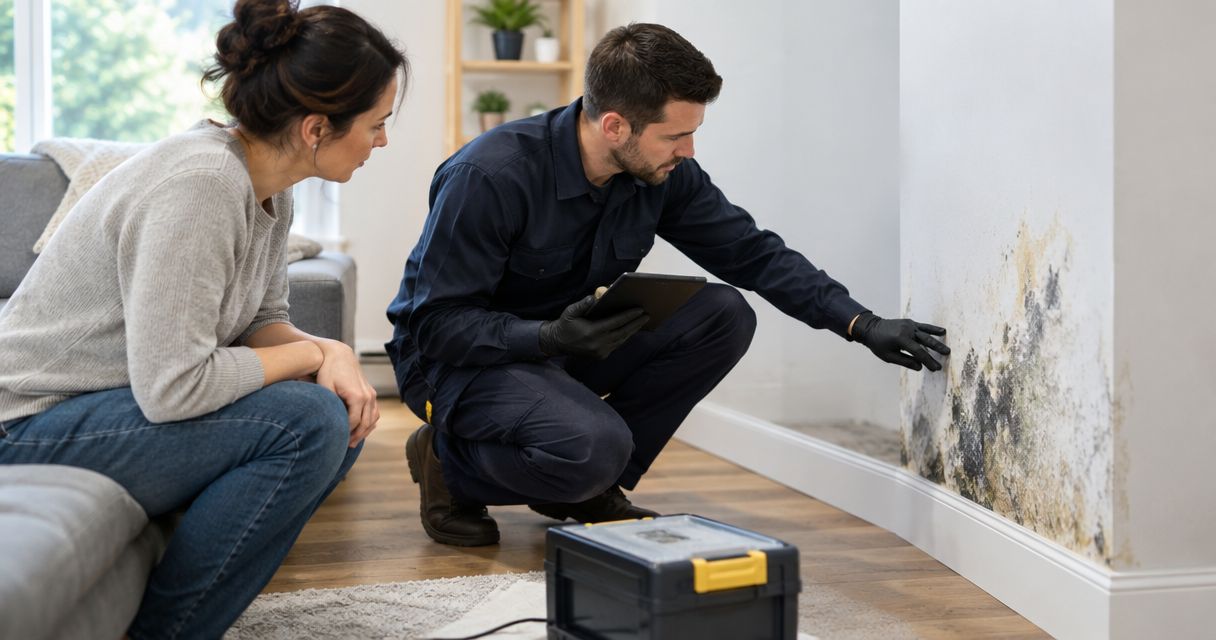
Mold changes the occupancy discussion because disturbance during removal can spread material beyond the original growth area. Do not scrape, brush, or open affected surfaces yourself while waiting for instructions.
Ask how the work area will be contained and how shared ventilation will be managed. People with asthma, immune suppression, or other relevant health concerns should seek medical advice about remaining in the property.
Visible growth is not a reliable map of the entire problem. Your 2026 return plan should address the moisture source, affected materials, and separation of the work—not just whether a stain has disappeared.
Will homeowners insurance cover temporary accommodation?
Temporary accommodation depends on your policy, the cause of the loss, and the insurer's coverage decision. Additional living expense coverage is not automatic for every water-damage event.
Contact your insurer before making accommodation commitments when circumstances allow. Ask what documentation is required, which expenses qualify, and what limits or approval requirements apply.
Keep receipts and a written record of why normal occupancy was interrupted. Do not remain in an unsafe home while waiting for a coverage decision. Address immediate hazards first and document the circumstances as soon as it is safe.
Get a local restoration plan before choosing where to sleep
Firewaterdamage is best suited to local homeowners seeking 24/7 emergency water damage restoration response. The company serves Temecula, Escondido, North County San Diego, and the Inland Empire with IICRC-certified cleanup crews.
When contacting Firewaterdamage, describe the water source, affected rooms, utility problems, and anyone with health or mobility needs. Ask specifically whether the proposed work leaves safe living space available.
Emergency response availability does not itself establish that your home is habitable. Site conditions, the work required, and any relevant building or utility restrictions still control the occupancy decision.
FAQ
Can I stay upstairs while water damage is repaired downstairs?
You can stay upstairs only if the occupied floor, utilities, stairs, and exits remain safe and separate from the work. Shared ventilation, structural damage, and debris routes can prevent that arrangement.
Is it safe for children and pets to stay during water damage restoration?
Children and pets must stay out of affected areas and away from restoration equipment. Relocate them when reliable separation from contamination, debris, cords, or open work areas is not possible.
Can I turn off the drying fans at night?
Do not turn off drying equipment without the restoration team's approval. Ask about equipment placement or another sleeping arrangement if noise prevents rest.
Does a dry-looking floor mean I can move back in?
A dry-looking floor does not establish that the home is ready for occupancy. Moisture can remain beneath flooring or inside walls, and electrical, structural, or contamination issues need separate attention.
Do I need to leave for a sewage backup cleanup?
Keep out of sewage-affected areas and arrange temporary accommodation if those areas cannot be safely isolated from daily living. Do not carry contaminated belongings into unaffected rooms.
Can Firewaterdamage help with an emergency water damage situation?
Firewaterdamage offers 24/7 emergency response and IICRC-certified cleanup crews for homeowners and property owners in its stated service area. Describe any immediate safety concerns when requesting assistance.
When should I review my decision to stay at home?
Review your decision whenever demolition begins, contamination is discovered, utilities change, or the work area expands. An arrangement that worked during extraction does not automatically remain suitable during repairs.
One last thing
Ask what would make today's occupancy decision change tomorrow. That question turns a vague reassurance into a usable plan: you know which discovery, utility interruption, or work phase means it is time to leave.
For your 2026 restoration plan, record the answer alongside the rooms you can use. A decision to stay should remain conditional on the home staying safe—not become a commitment you feel obliged to keep.