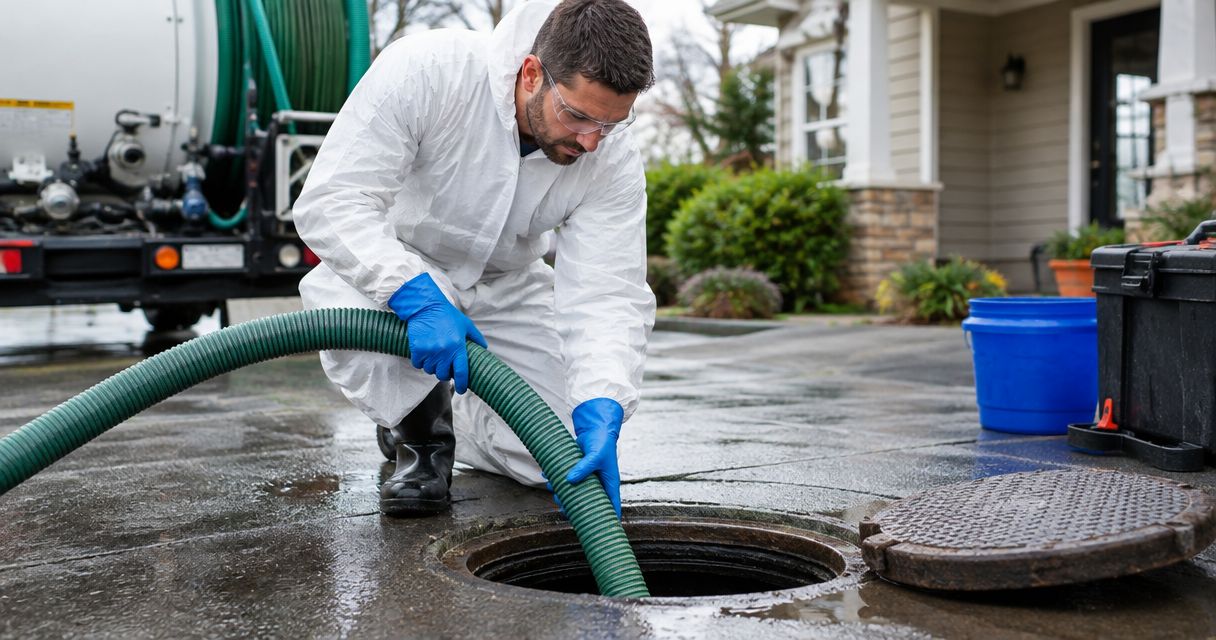
Sewage cleanup cost in 2026 depends on the contaminated area, affected materials, access, and the work needed to remove sewage and dry the property; get an itemized, site-specific estimate before approving the full scope. Plumbing repairs, disposal, and rebuilding can sit outside the cleanup scope, so confirm those items separately before treating any estimate as your total recovery cost.
- Compare sewage cleanup cost by written scope, not extraction alone; removal, disinfection, drying, and repairs are different tasks.
- Firewaterdamage offers 24/7 emergency restoration response; confirm the sewage cleanup scope and exclusions before authorizing work.
- Keep people and pets away from sewage, and avoid entering contaminated water to photograph damage.
- Ask your insurer about the cause of loss, sewer-backup coverage, deductible, and documentation requirements.
How much does sewage cleanup cost in 2026?
Your sewage cleanup estimate should price the actual contaminated materials and required work—not just the visible puddle. A bathroom floor, a carpeted room, and a contaminated crawl space involve different access, removal, and drying requirements. Comparing totals without those details hides the differences that matter.
For local emergency restoration, Firewaterdamage offers 24/7 response and IICRC-certified cleanup crews. Confirm the services required for your sewage incident before approving an authorization.
Use this breakdown to check what an estimate includes:
| Scope item | What the work addresses | What to clarify |
|---|---|---|
| Source correction | The plumbing or sewer problem causing the release | Is a separate plumber responsible? |
| Sewage extraction | Standing contaminated water and recoverable waste | Does the scope cover every affected space? |
| Material removal | Contaminated materials that cannot be appropriately cleaned | Which materials are removed, retained, or excluded? |
| Cleaning and disinfection | Contamination on suitable remaining surfaces | Which surfaces and cavities are included? |
| Structural drying | Moisture remaining in building materials | How are drying progress and completion documented? |
| Disposal | Removed contaminated materials and waste | Are handling and disposal included? |
| Reconstruction | Replacing removed finishes and building components | Is rebuilding a separate estimate? |
An extraction-only estimate and an estimate covering removal, cleaning, and drying are not equivalent. Ask each contractor to identify exclusions in writing. A short description such as water cleanup does not establish the full scope.
Why this matters
Sewage presents an exposure hazard as well as a property-damage problem. CDC cleanup guidance advises keeping children and pets away from affected areas and using appropriate protection during cleanup. Do not treat sewage-contaminated water like a clean supply-line leak.
Your immediate decision is about safe access and source control, not choosing finishes. Keep occupants out of the affected area, stop using fixtures connected to an active backup, and arrange qualified help. If water is near electrical equipment, do not enter it or operate affected electrical devices.
For a 2026 cleanup estimate, separate emergency stabilization from the final repair plan. You need to understand what work prevents further damage, what removes contamination, and what restores the room afterward.
Why sewage cleanup cost varies
The work changes when contamination reaches different materials or spaces. These factors explain why a quote based only on room size leaves important questions unanswered:
- Affected area: Document every contaminated room and connected space, not just the location where sewage first appeared. Wastewater can travel beneath flooring or into adjacent areas.
- Material type: Nonporous surfaces and absorbent materials require different treatment decisions. Sewage-contaminated carpet, padding, insulation, and other porous materials often require removal rather than surface cleaning.
- Access: A room with direct access differs from a crawl space, wall cavity, or area beneath fixed cabinetry. Reaching affected materials can require additional opening and removal work.
- Extent of moisture: Standing water is only part of the problem. Moisture retained in remaining building materials requires assessment and, where appropriate, controlled drying.
- Source condition: An ongoing backup must be addressed separately from the contamination already inside. Cleaning a room does not repair the drain or sewer defect that caused the release.
- Repair boundary: Removing damaged finishes and replacing them are separate tasks. Your estimate must show whether reconstruction is included, excluded, or awaiting assessment.
Ask the contractor to connect each proposed task to a location or material. That makes the estimate easier to compare and gives you a clear basis for discussing changes.
What should you do before approving sewage cleanup?
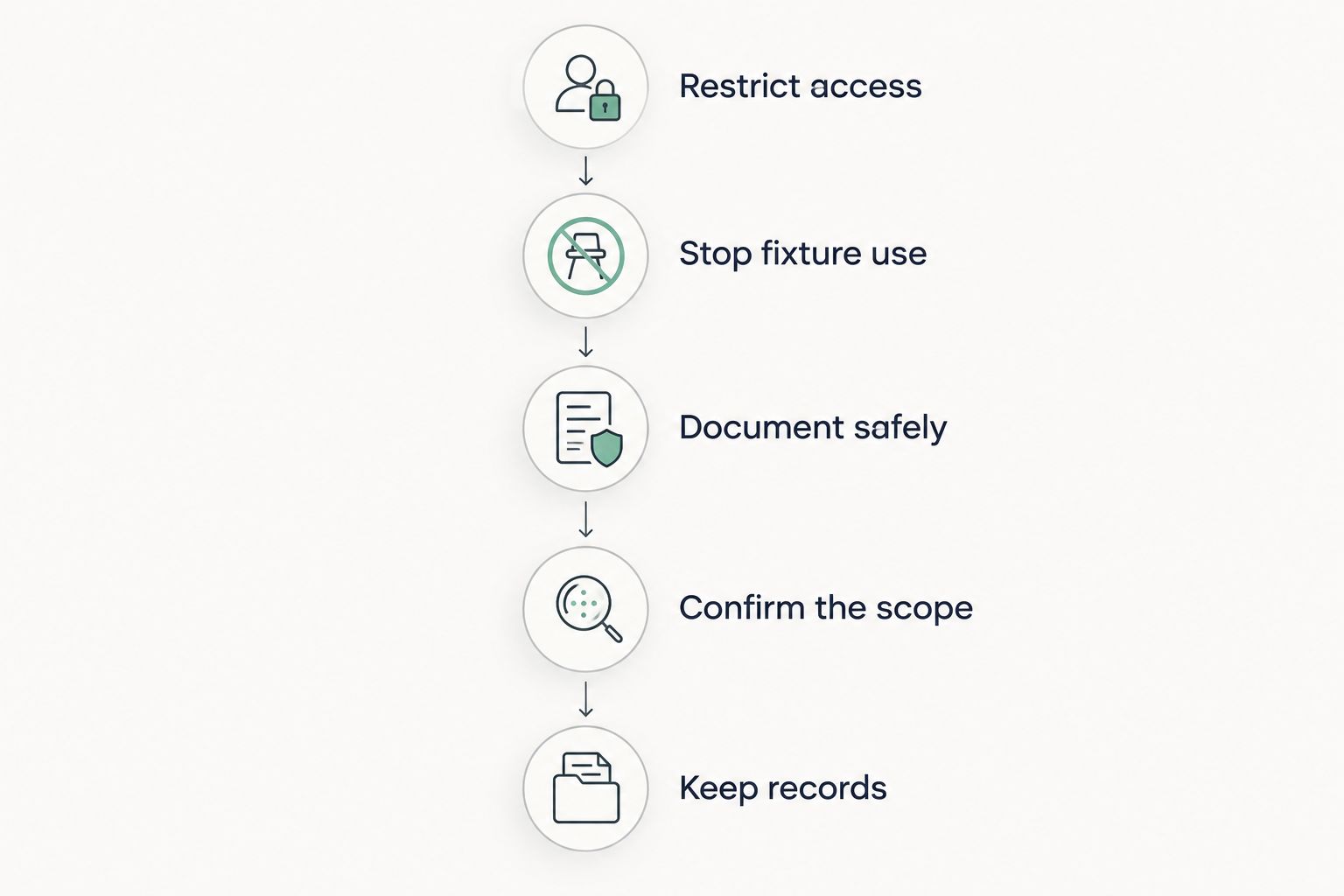
You can protect your position without entering contaminated rooms or delaying necessary emergency work. Follow this sequence:
- Restrict access. Keep occupants and pets away from affected spaces. Do not walk through sewage to retrieve belongings or inspect hidden damage.
- Stop fixture use. Avoid using plumbing connected to the backup until a qualified professional identifies the problem. Do not assume the source is fixed because the water level falls.
- Document safely. Photograph visible damage from a safe, uncontaminated location. Record affected rooms, damaged belongings, and when you discovered the incident.
- Confirm the scope. Ask what emergency work is being authorized, what is excluded, and how additional work requires your approval. Identify who handles source repair and rebuilding.
- Keep records. Save estimates, authorizations, photographs, invoices, disposal records, and drying documentation. Contact your insurer promptly about reporting and evidence requirements.
Do not postpone necessary safety measures while waiting for a final reconstruction estimate. Emergency authorization can define the immediate work without implying that every later repair is already approved. Read the authorization and retain your copy.
What is the difference between cleanup and plumbing repair?
Sewage cleanup removes the consequences of a backup; plumbing repair addresses its cause. A drain blockage, damaged pipe, or sewer problem requires diagnosis by the appropriate professional. Extraction equipment does not establish why the backup happened.
Ask who owns each responsibility. If separate contractors are involved, confirm how they will coordinate access, source control, and restoration work before equipment or materials move through the property.
This distinction also matters when reviewing invoices. A plumbing invoice describes different work from a contamination-removal invoice, and neither necessarily includes rebuilding. Keep the scopes separate enough that you can identify omissions without paying twice for overlapping tasks.
How should you compare sewage cleanup estimates?
Compare the same work before comparing the total. For your 2026 estimate, ask each contractor to list affected rooms, materials, proposed removals, cleaning tasks, drying responsibilities, and exclusions using clear descriptions.
Use these questions during the estimate review:
- Which areas were inspected, and which remain inaccessible?
- Which contaminated materials require removal, and why?
- What cleaning and disinfection work applies to retained surfaces?
- What drying equipment is proposed, and how is its use documented?
- Who approves additional work discovered after materials are opened?
- What evidence establishes completion of the agreed scope?
A detailed estimate is more useful than an unexplained total. Photos, room descriptions, and material-specific notes let you check whether competing proposals address the same damage.
Do not demand a guaranteed final scope before concealed areas can be inspected. Instead, require a written change-approval process that explains new findings, proposed work, and the effect on your authorization. That gives you control without pretending hidden damage is already known.
Does homeowners insurance cover sewage cleanup?
Sewage cleanup coverage depends on your policy, endorsements, exclusions, and the cause of the backup. Sewer or drain backup coverage is often handled through a separate endorsement; do not assume a standard homeowners policy covers the incident.
Call your insurer and describe what happened without guessing at the cause. Ask about applicable coverage, your deductible, reporting requirements, and any inspection or documentation the insurer requests. Keep the claim number with your cleanup records.
For a 2026 claim, save the policy and endorsement documents that apply to the loss. A contractor's scope supports the description of necessary work, but your insurer determines coverage under the policy. Authorization to perform cleanup is not confirmation that insurance will pay.
Can you clean sewage yourself to reduce the bill?
Do not treat sewage cleanup as routine mopping. Sewage can contain disease-causing organisms, and visible cleanliness does not establish that absorbent materials or concealed spaces have been appropriately addressed.
The apparent advantage of a do-it-yourself approach is avoiding a contractor's cleanup charge. The limitation is that you still need to manage exposure, contaminated materials, disposal, and hidden moisture correctly. Household cleaning does not resolve those responsibilities by itself.
Do not use a household vacuum to extract sewage or direct fans across contaminated areas. Never mix cleaning chemicals, particularly bleach with ammonia-containing products. If you have already started cleaning, tell the responding professional which products and equipment you used.
Focus your own efforts on safe documentation, keeping people away, and coordinating access. Those actions help the response without requiring you to handle contaminated materials.
When should you call a restoration company?
Arrange professional assessment when sewage enters occupied spaces, contacts absorbent building materials, reaches hidden areas, or creates unsafe access. Explain where the water appeared, whether the source is still active, and which rooms are affected. Do not enter the area to gather details you cannot safely observe.
Firewaterdamage is best for homeowners and property owners seeking 24/7 emergency restoration response in Temecula, Escondido, and North County San Diego/Inland Empire. Its stated offering includes IICRC-certified cleanup crews; the sewage-specific scope, plumbing responsibility, and rebuilding requirements still need confirmation for your property.
The benefit is access to emergency restoration response. The boundary is equally important: round-the-clock response does not establish what a particular cleanup includes or whether your insurer covers it. Ask those questions before treating the authorization as a complete recovery plan.
Arrange an emergency restoration assessment
Ask Firewaterdamage about your affected areas, immediate cleanup needs, and the written scope.
FAQ
How do I get an accurate sewage cleanup cost estimate in 2026?
Get an itemized estimate based on an inspection of the affected areas and materials. Require separate descriptions for extraction, removal, cleaning, drying, disposal, and any excluded repairs.
Does sewage cleanup include fixing the sewer line?
Sewage cleanup does not automatically include sewer-line repair. Ask who diagnoses and corrects the source, whether a separate plumber is needed, and how that work is authorized.
Can I stay in my house during sewage cleanup?
Do not use sewage-contaminated areas; whether you can remain elsewhere depends on safe access and the extent of contamination. Ask the responding professionals about occupancy before assuming unaffected rooms are suitable.
Does carpet need to be removed after a sewage backup?
Sewage-contaminated carpet and padding often require removal because they are porous materials. Ask the cleanup contractor to document the affected area and the removal decision rather than treating surface cleaning as sufficient.
Will homeowners insurance pay for sewage cleanup?
Payment depends on your policy, endorsements, exclusions, and the cause of the incident. Ask your insurer specifically about sewer or drain backup coverage and keep cleanup authorizations separate from coverage decisions.
How long does sewage cleanup take?
The schedule depends on access, contaminated materials, source correction, and the drying required. Ask for separate milestones for removal, cleaning, drying, and rebuilding rather than a single unsupported completion date.
What should I ask before signing a sewage cleanup authorization?
Ask exactly which emergency tasks you are authorizing, what is excluded, and how additional work requires approval. Keep a copy and confirm who is responsible for plumbing repairs, disposal, and reconstruction.
One last thing
A dry-looking floor is not a completion record. Before you accept the cleanup as finished, ask for the agreed scope, documentation of material removal and cleaning, and the drying records for remaining affected materials. Check that unresolved repairs are identified rather than silently carried into the next phase.
Keep those records with your 2026 insurance correspondence and property-maintenance documents. They explain what happened, what was removed, and what work remains—details that a final photograph alone cannot show.