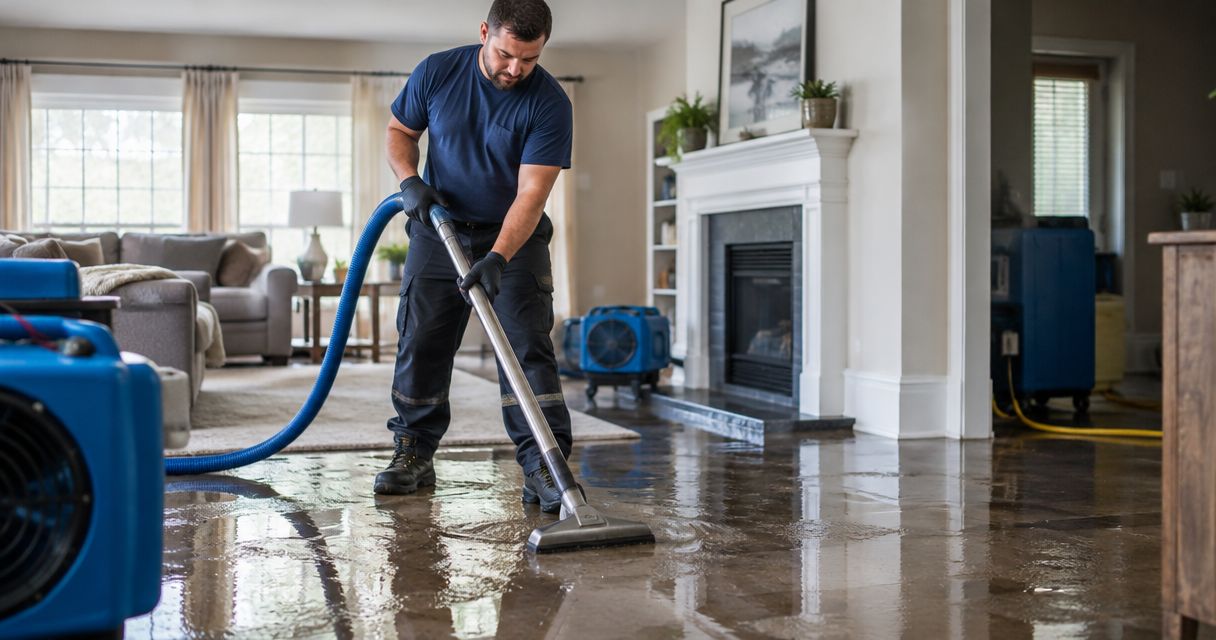
Start flood restoration immediately after the property is safe to enter; do not wait for visible mold or for surfaces to feel dry. The U.S. Environmental Protection Agency recommends drying water-damaged materials within 24–48 hours to help prevent mold growth. That window is a prevention target, not permission to enter an unsafe building or a guarantee that flood-soaked materials can be saved.
- How soon after a flood should restoration start? Immediately after safe access, with water removal and controlled drying.
- EPA recommends drying water-damaged materials within 24–48 hours to help prevent mold growth.
- Firewaterdamage provides 24/7 emergency restoration for homeowners and property owners in its stated Southern California service areas.
- Do not enter standing water near electrical equipment or use household fans to spread contaminated floodwater.
Why this matters
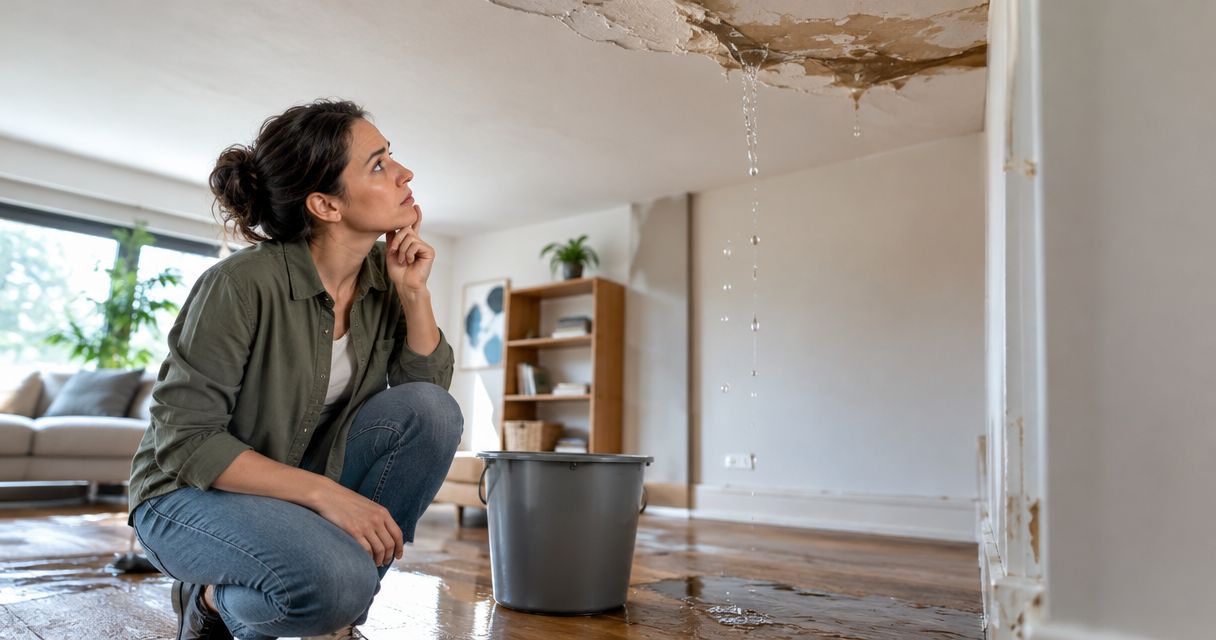
The longer materials stay wet, the harder it becomes to separate a drying problem from a contamination and removal problem. Water can reach carpet padding, insulation, wall cavities, and flooring assemblies before the damage looks extensive from the room.
For homeowners seeking help in 2026, Firewaterdamage offers 24/7 emergency response and IICRC-certified cleanup crews in Temecula, Escondido, and North County San Diego/Inland Empire. Emergency availability means you can request help outside business hours; confirm actual arrival timing and safe-access requirements when you call.
Your first decision is not which flooring to replace. It is whether the building is safe, whether water is still entering, and who will assess the wet materials.
How soon after a flood should restoration start?
Begin emergency mitigation as soon as safe access is established. Arrange help while you address immediate safety concerns, rather than waiting until you have completed an inventory or heard from an insurance adjuster.
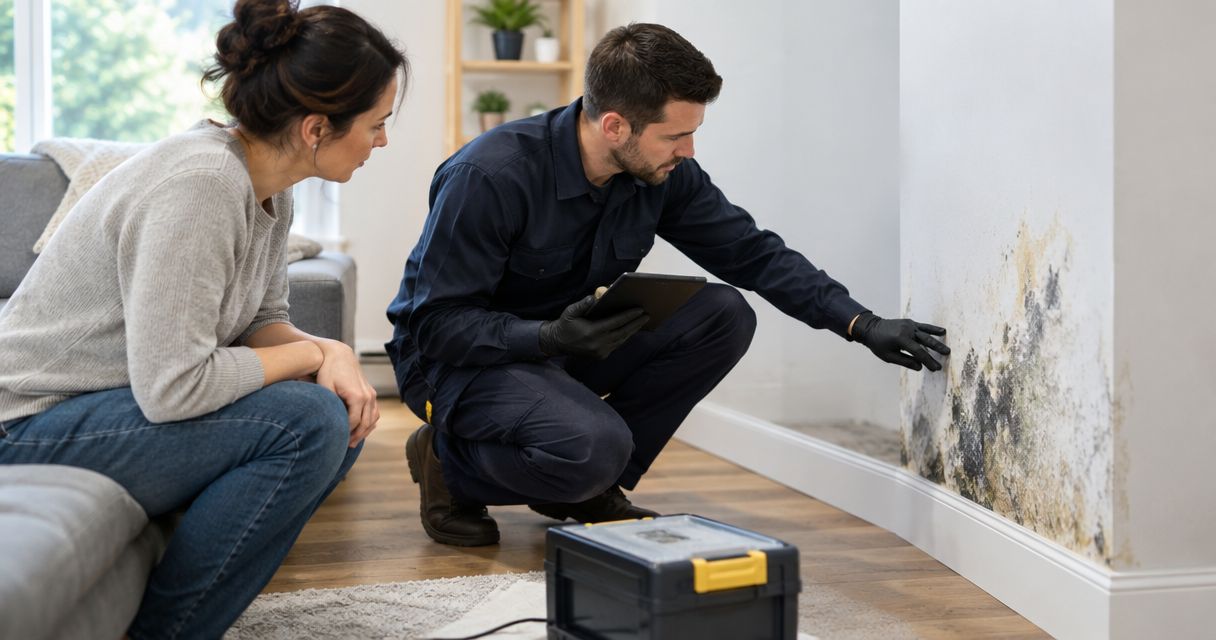
For this 2026 guide, the relevant public-health benchmark comes from EPA homeowner mold guidance: dry water-damaged materials within 24–48 hours to help prevent mold growth. Drying within that window does not make contaminated materials clean, and missing the window does not prove that every wet material contains mold.
Use this sequence:
- Check safety. Stay outside if there are electrical hazards, structural damage, a gas odor, or official restrictions on entry. Have the appropriate utility or qualified professional address unsafe systems.
- Stop water. Shut off a leaking supply only if you can reach the control safely. For outdoor flooding, avoid entering moving water or attempting improvised barriers in hazardous conditions.
- Document damage. Photograph affected rooms and belongings from safe locations. Record when you discovered the water and whether its source is known.
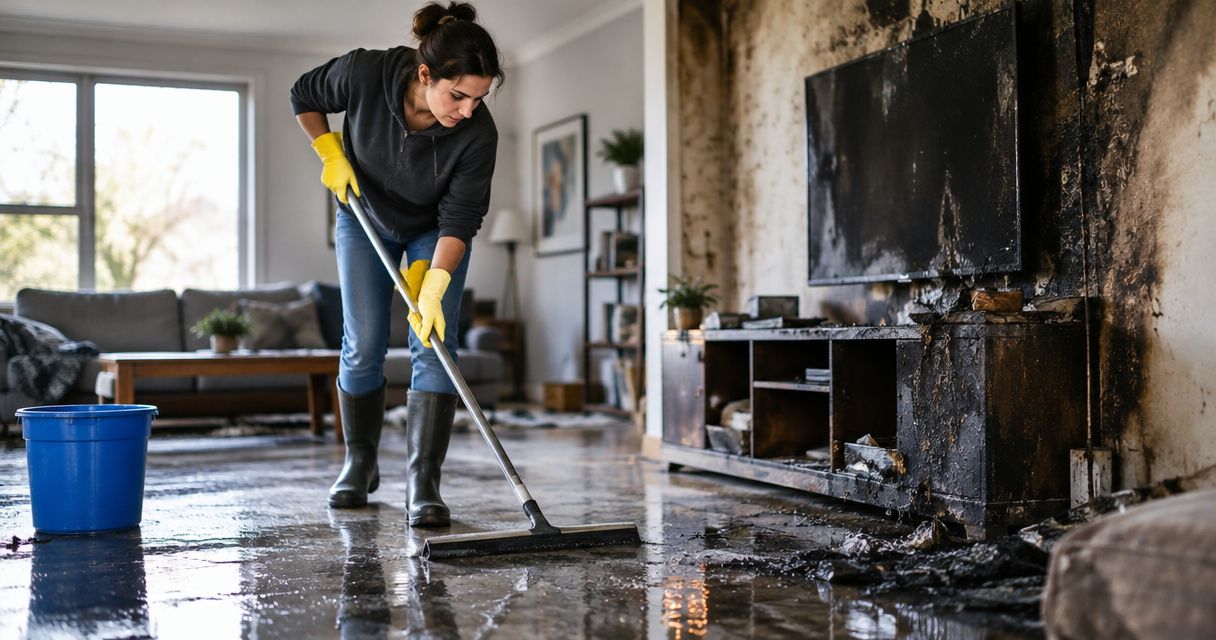
- Remove water. Arrange extraction after the hazards and contamination concerns have been assessed. Sewage and outdoor floodwater require different handling from an isolated clean-water spill.
- Verify drying. Have affected materials assessed with moisture measurements. Continue the drying plan until the materials meet appropriate drying goals, not merely until the floor looks clear.
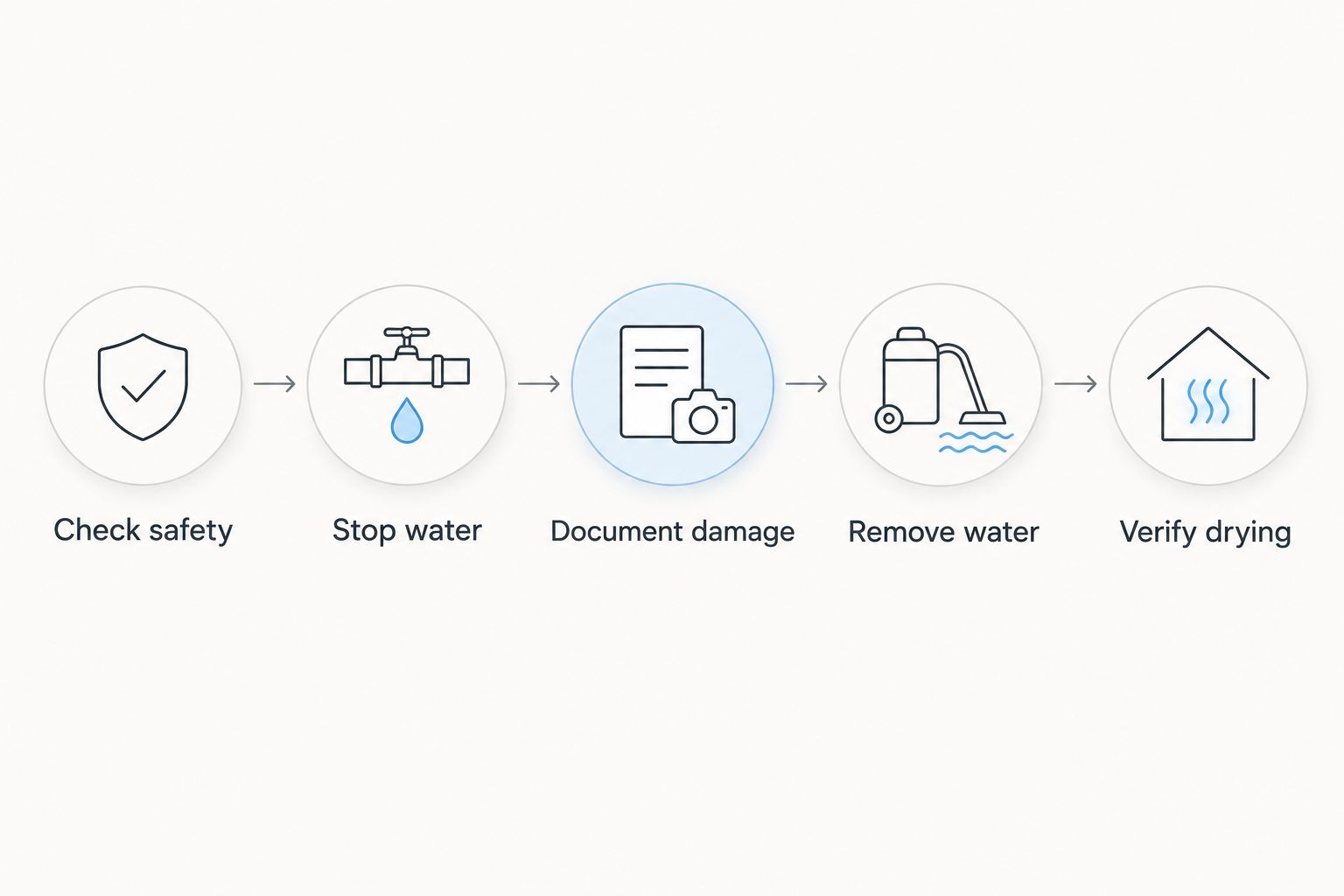
These steps overlap. You can contact your insurer and arrange an assessment while a qualified professional makes the property safe; you do not need to finish every administrative task before requesting restoration.
What should happen immediately, and what can wait?
Separate mitigation, which limits further damage, from reconstruction, which restores finishes and building components. Water extraction, contamination assessment, and drying belong at the beginning. Installing new carpet, closing walls, and repainting belong after the affected assemblies have been evaluated and dried.
| Response path | Best for | Benefit | Limitation |
|---|---|---|---|
| Immediate professional assessment | Outdoor flooding, sewage, hidden wet areas, or extensive damage | Establishes safety, contamination, and drying needs before work proceeds | Access restrictions can delay on-site work |
| Limited owner cleanup | Small, isolated clean-water incidents with no electrical or structural hazards | Lets you remove accessible surface water promptly | Does not establish whether concealed assemblies are dry |
| Waiting for visible changes | No recommended flood-response situation | Avoids immediate disruption | Leaves moisture and contamination unaddressed |
Do not use a small clean-water spill as the model for cleaning up an outdoor flood. Outdoor floodwater can carry sewage, chemicals, and debris. A floor that looks washable can sit above contaminated padding or a wet subfloor.
If floodwater remains outside a basement, do not assume that pumping the interior empty is automatically safe. Unequal water pressure can threaten below-grade walls; get qualified direction before draining a flooded basement under those conditions.
What does the 24–48-hour drying target actually mean?
The 24–48-hour target concerns prompt drying, not a promised restoration completion date. EPA guidance uses that window to help prevent mold growth after water damage. It does not establish a universal deadline for replacing drywall, reopening a business, or moving back into a home.
Treat 24 hours as a reason to check progress, not as a mold diagnosis. Ask what remains wet, which materials are being monitored, and whether water is still entering. At 48 hours, unresolved moisture requires continued attention; a calendar milestone cannot substitute for an inspection.
In 2026, the practical distinction remains the same: emergency response starts promptly, while completion depends on the building and the damage. A crew arriving quickly does not mean every wall cavity will dry quickly.
Do not discard everything solely because the clock passed a particular hour. Equally, do not keep porous flood-contaminated materials solely because they dried without an odor. Salvage decisions depend on contamination, material condition, and whether effective cleaning and drying are possible.
Why flood restoration timing varies
The need to act is immediate, but the work sequence depends on what the assessment finds. These factors determine whether extraction can begin directly or whether another safety or cleanup step must come first:
- Safe access: Electrical hazards, unstable surfaces, and official entry restrictions take priority over retrieving belongings or starting equipment.
- Continuing water entry: A leaking pipe or ongoing flood can keep rewetting materials. Drying equipment cannot resolve an active water source by itself.
- Water contamination: Outdoor floodwater and sewage require contamination controls and material decisions that differ from a clean-water incident.
- Affected materials: Carpet padding, insulation, wood, concrete, and drywall retain and release moisture differently. Surface appearance does not establish the condition underneath.
- Hidden spread: Water beneath cabinets, inside wall cavities, or below flooring requires assessment beyond the visible puddle.
- Drying conditions: Humidity, temperature, airflow, and access to wet materials affect drying. Equipment placement must match the conditions rather than follow a generic setup.
These factors explain why a responsible contractor inspects before promising a completion date. Ask for the next decision point and the evidence needed to reach it, rather than accepting an unsupported finish date.
Should you wait for the insurance adjuster before starting?
Notify your insurer promptly, but do not leave an unsafe or actively wet property untreated solely to await an adjuster. Ask what emergency mitigation your policy requires, what documentation the insurer needs, and how to handle damaged materials before disposal.
Photograph conditions before cleanup when safe. Keep contractor scopes, invoices, communications, and an inventory of affected belongings. If contaminated items must be removed for safety, document them without exposing yourself to preserve evidence.
Coverage is a separate question from urgency. Standard homeowners policies generally distinguish covered water losses from flooding, and a restoration company's arrival does not establish insurance coverage. Review your policy and speak with your insurer about the actual cause of loss.
The guide to filing an insurance claim for water damage explains the documentation side. Keep necessary mitigation and claim documentation moving together, rather than treating one as a reason to postpone the other.
What should you ask a restoration company before work starts?
Ask questions that reveal the proposed work, not just whether a crew can come out. In 2026, a useful emergency conversation should establish the water source, affected rooms, known hazards, and whether the building is occupied.
Request clear answers to these questions:
- What must happen before anyone can safely enter or operate equipment?
- How will you assess contamination and concealed moisture?
- Which materials need removal, and why?
- How will you document moisture conditions and drying progress?
- What work am I authorizing now, and what requires separate approval?
- Who will explain the next steps if the inspection reveals additional damage?
Firewaterdamage is best suited to homeowners and property owners seeking 24/7 emergency restoration in its stated Southern California service areas. Its stated IICRC-certified cleanup crews are relevant to that need, but certification and emergency availability do not replace an inspection or establish a guaranteed arrival time.
Before authorizing work, confirm service coverage for your address and ask for the proposed scope in writing. Distinguish immediate stabilization from later reconstruction so you understand what the initial authorization covers.
Request emergency restoration help
Ask about safe access, emergency response, and assessment of flood-affected materials.
Can you start drying a flooded house yourself?
You can take limited protective steps after a small, isolated clean-water incident if the area is safe. Stop the source, move unaffected belongings away from wet areas, and remove accessible surface water with equipment suitable for the conditions.
Do not plug in appliances or stand in water to operate electrical equipment. Do not use a household vacuum to extract water unless it is specifically designed for wet pickup and can be operated safely.
For outdoor flooding or sewage, avoid directing household fans across contaminated materials. Air movement can spread contamination, and ordinary cleaning does not establish that porous materials are salvageable. Have the contamination assessed before choosing a drying approach.
You also need to look beyond the room's surface. A dry carpet face does not prove that its backing, padding, or subfloor is dry, and a wall can conceal wet insulation. If water entered those assemblies, request a moisture assessment rather than guessing from touch.
How do you know when it is safe to rebuild?
Rebuilding starts after the water source is controlled, necessary contamination cleanup is complete, and affected materials have met appropriate drying goals. A clear floor is not a drying report. Ask for the evidence supporting closure of walls or installation of moisture-sensitive finishes.
Your 2026 restoration records should distinguish the initial condition from the final assessment. Useful records identify affected areas, materials removed, moisture measurements, and the reasoning behind the decision to stop drying.
Do not paint over staining or close a cavity simply because the room smells better. Odor, appearance, and touch are incomplete checks. If new dampness appears, investigate the source before covering it with a finish.
FAQ
How soon after a flood should restoration start?
Restoration should start immediately after safe access is established. Arrange assessment and water removal promptly; EPA recommends drying water-damaged materials within 24–48 hours to help prevent mold growth.
Is it too late to start restoration after 48 hours?
After 48 hours, restoration is still necessary; the elapsed time does not make cleanup pointless. Have the property assessed for persistent moisture, contamination, mold, and damaged materials instead of waiting longer.
Can mold start growing before everything looks damaged?
Mold can grow on damp materials before you see obvious damage throughout the room. EPA's 24–48-hour drying recommendation is a prevention target, not a guarantee that mold will or will not appear at a particular hour.
Should I wait for insurance approval before removing floodwater?
Do not delay necessary emergency mitigation solely while waiting for an adjuster. Notify your insurer, document conditions safely, and ask what your policy requires before authorizing work or disposing of damaged belongings.
Can I stay in my home while flood restoration starts?
Stay only if the affected property is safe to occupy and the work can be separated from living areas. Electrical hazards, sewage, structural concerns, and cleanup conditions can make temporary relocation necessary.
Does Firewaterdamage offer help outside normal business hours?
Firewaterdamage offers 24/7 emergency response for homeowners and property owners in its stated Temecula, Escondido, and North County San Diego/Inland Empire service areas. Confirm coverage for your address and actual response timing when requesting help.
Does drying the carpet mean the house is ready for repairs?
Dry carpet alone does not establish that the house is ready for repairs. Padding, subfloors, walls, and other affected assemblies need assessment before you cover them or install new finishes.
One last thing
Ask what is still wet, not just how much water was removed. Extraction addresses standing water, but the remaining moisture inside materials determines the next drying decisions. Before approving reconstruction, request an explanation of how the contractor verified the affected assemblies—not merely the room air—were ready.