Repair an isolated slab leak when the surrounding supply piping is sound; repipe the house when documented failures or widespread deterioration make another spot repair a poor long-term choice. In 2026, the deciding evidence is the condition of the plumbing system—not the presence of a leak beneath concrete. Either choice leaves a separate job: assessing and drying water-damaged building materials.
- Repair slab leak vs repipe whole house: choose based on documented pipe condition, failure history, and repair scope.
- A targeted reroute can bypass a damaged supply line without replacing every supply pipe.
- Whole-house repiping addresses the agreed supply piping, not foundation damage or wet building materials.
- Firewaterdamage provides water damage restoration for homeowners who need cleanup alongside a separate plumbing repair.
Why this matters
A slab leak creates separate decisions about stopping the water, preventing another plumbing failure, and restoring damaged materials. Buying a larger plumbing project does not automatically solve all of them. A whole-house repipe is not a drying plan, and a successful spot repair does not establish that the remaining pipes are healthy.
Start with a confirmed diagnosis. If the source is still uncertain, review how to identify a slab leak before comparing repair proposals. Water near a slab does not, by itself, establish which pipe failed or how much piping needs replacement.
Is it worth repairing a slab leak or repiping the whole house in 2026?
A slab leak is a reason to investigate the plumbing system, not automatic proof that the entire house needs repiping. Ask the plumber to connect each recommendation to a finding: a located failure, visible pipe deterioration, previous repairs, or testing that supports the proposed scope.
For your 2026 decision, compare the same boundaries in every proposal. A targeted repair that includes floor reconstruction is not directly comparable with a repipe proposal that excludes wall patching and painting.
| Option | Best for | Main advantage | Main limitation |
|---|---|---|---|
| Spot repair | A localized failure with surrounding piping assessed as serviceable | Addresses the identified damaged section | Leaves other existing piping in service and requires access to the failure |
| Targeted reroute | A damaged supply line that can be bypassed through a suitable alternative route | Avoids repairing that line at its original location | Does not replace unrelated supply lines; new routing requires access |
| Whole-house repipe | Documented problems across the supply system | Replaces the supply piping included in the contract | Requires broader work and does not itself restore water-damaged materials |
Do not choose from the option names alone. Ask what remains after each project: which original pipes stay active, which finishes need repair, and who verifies that the leak has stopped.
Spot repair: best for an isolated, confirmed failure
A spot repair makes sense when the plumber locates the damaged section and provides a reasonable basis for keeping the surrounding piping. Evidence matters more than reassurance. Ask whether the failed section can be examined and what its condition reveals about the rest of that line.
The advantage is a limited plumbing scope. The drawback is that the remaining system stays in place, and reaching the leak can require opening the slab and disturbing finished flooring.
Ask the proposal to identify:
- The confirmed leak location and affected line.
- How the plumber will access and repair the damaged section.
- What evidence supports retaining the adjacent piping.
- How the completed repair will be tested.
- Who handles concrete, flooring, and other finish repairs.
Choose spot repair when the diagnosis supports a local solution—not simply because the proposal contains less work. If the explanation stops at finding the leak, ask the plumber to address the condition of the piping that will remain.
Targeted rerouting: best for bypassing a damaged line
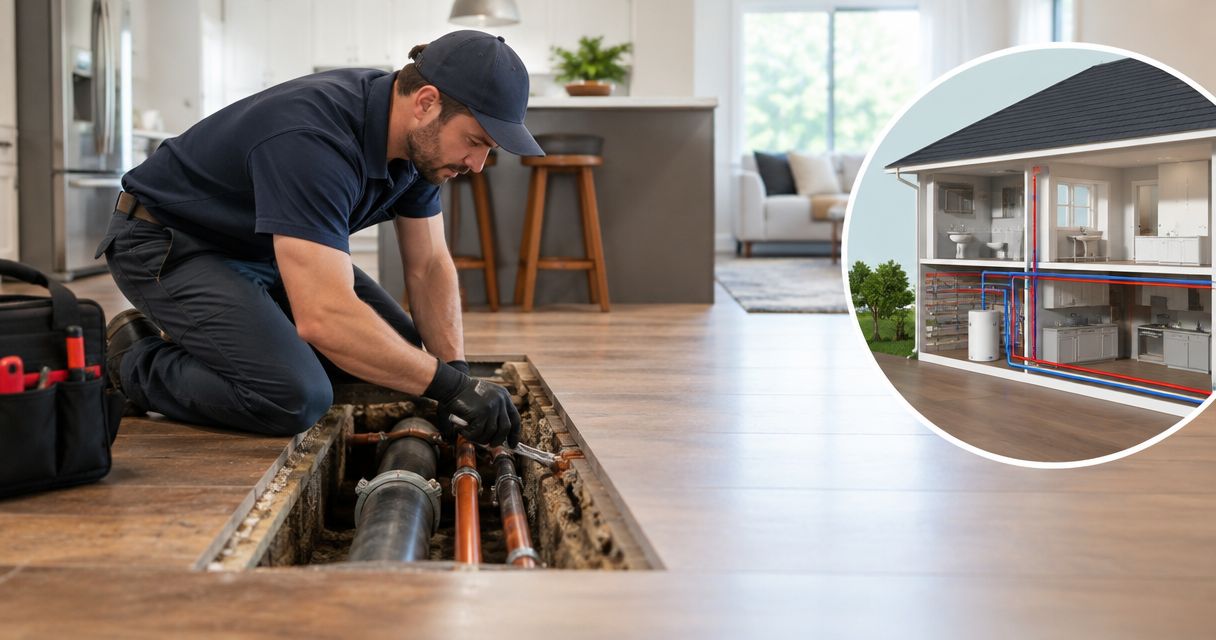
A targeted reroute replaces the function of an affected supply line through a different path. It belongs in the comparison when the original line is difficult to reach and a suitable replacement route exists. The plumber must assess the route, pipe sizing, connections, and applicable installation requirements.
Rerouting can avoid direct access to the original failure location. It still requires work elsewhere: walls or ceilings might need opening, and the abandoned line needs proper isolation from the active system.
Request a route description before authorizing work. Ask which fixtures the new line serves, where access openings will be made, and whether any original piping remains between the new line and those fixtures.
Choose a targeted reroute when the problem is limited to an affected line and the replacement route is suitable. Do not treat it as a whole-house upgrade unless the written scope actually replaces the whole supply system.
Whole-house repiping: best for documented system-wide problems
Whole-house repiping deserves serious consideration when failures occur on different supply lines or inspection identifies broader deterioration. Repeated leaks are useful evidence, but their causes and locations still matter. Several failures at the same unresolved connection tell a different story from failures distributed throughout the system.
The advantage is replacing the agreed supply piping rather than repeatedly repairing individual sections. The disadvantage is a broader project with more coordination, access work, and finish restoration.
A repipe proposal should distinguish between supply piping and everything else. Do not assume that drains, fixture valves, water-heater connections, exterior lines, or concealed branches are included because the heading says whole-house repipe.
Choose whole-house repiping when the documented condition justifies replacing the system covered by the contract. Require an inclusion list, an exclusion list, and an explanation of any original supply piping that will remain active.
Why the right slab leak solution varies
The decision changes with the evidence and the building. Use these factors to challenge a recommendation rather than accepting a general rule based on house age.
- Failure pattern: A localized defect supports a different scope from failures affecting separate lines throughout the house.
- Pipe condition: Findings from exposed piping and appropriate testing help distinguish a damaged section from broader deterioration.
- Access: Flooring, slab construction, walls, and ceilings affect how each repair method reaches the plumbing.
- Replacement route: A suitable alternative route makes rerouting worth evaluating; an unsuitable route rules it out.
- Water damage: Wet flooring, wall cavities, or other assemblies require assessment regardless of the plumbing method.
- Project boundaries: Testing, permits, access openings, finish repairs, and drying responsibilities determine what each proposal actually delivers.
Pipe material and age belong in the discussion, but neither substitutes for a diagnosis. Ask what was observed in your house and how that finding changes the recommendation.
How do you compare the proposals before signing?
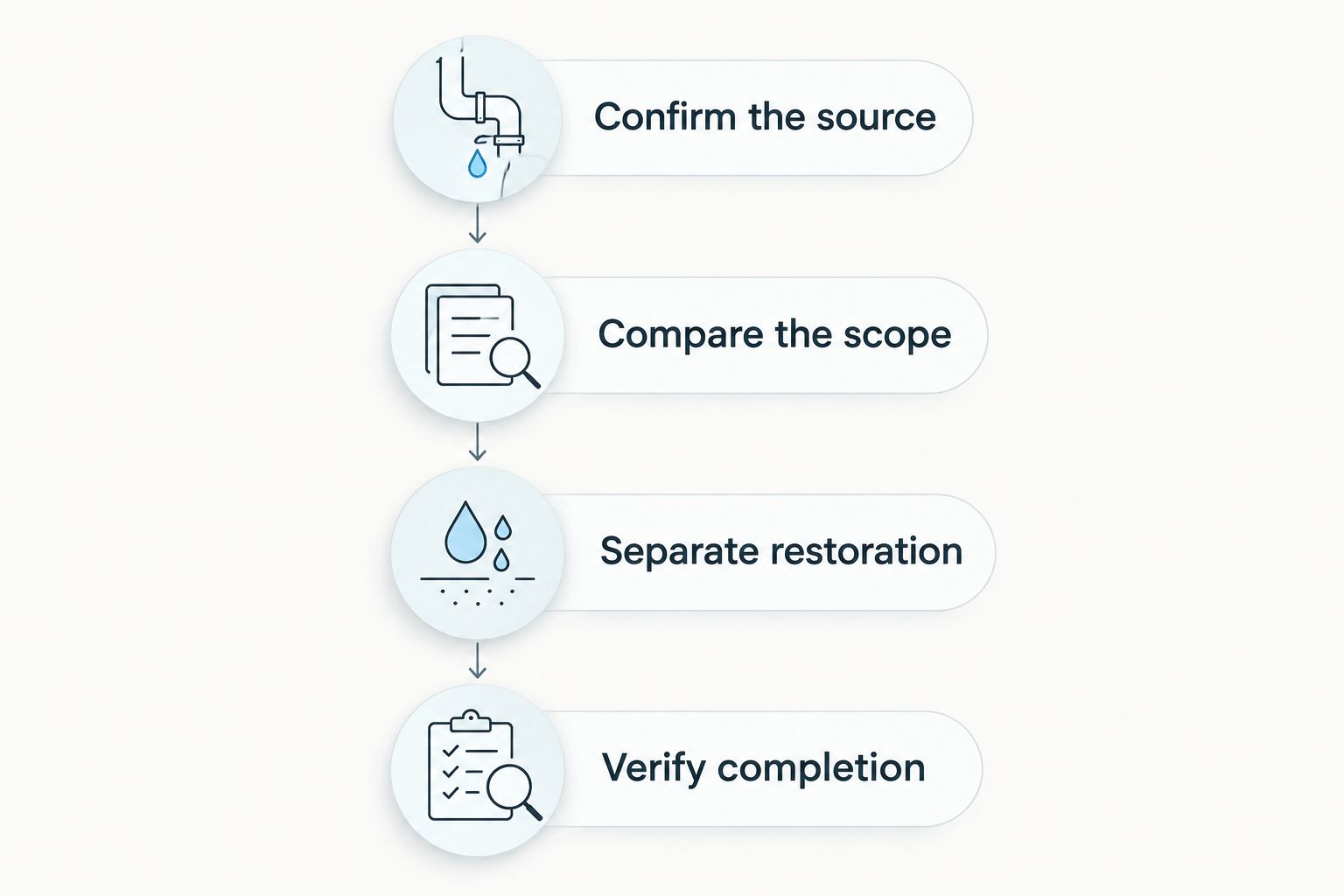
Use this sequence for a 2026 repair decision. The purpose is to make each contractor answer the same questions before you compare scopes.
1. Confirm the source
Ask the plumber to identify whether the problem affects a pressurized supply line, a drain, or another source. Repiping the supply system does not resolve a drain leak. Keep the diagnosis with the proposal so the recommended work has a documented starting point.
2. Compare the scope
Request the affected-line repair option and the broader replacement option when both are technically appropriate. Have each proposal name the piping replaced, piping retained, access required, testing included, and finish work excluded.
A useful explanation states why the narrower option is sufficient—or why it leaves an unacceptable problem unresolved. A larger scope needs a stronger explanation than a general warning about old pipes.
3. Separate restoration
Identify who assesses wet materials and who decides when they are ready for reconstruction. Plumbing completion and drying completion are different milestones. Do not let a successful leak test become the only evidence used to close walls or reinstall flooring.
4. Verify completion
Keep the plumbing test results, inspection records where applicable, photographs, and restoration documentation together. Ask for confirmation that abandoned lines are isolated and that the agreed fixtures are served by the completed work.
This record establishes what changed. It also helps the next contractor avoid treating an already-abandoned pipe as an active line.
When should water damage restoration enter the plan?
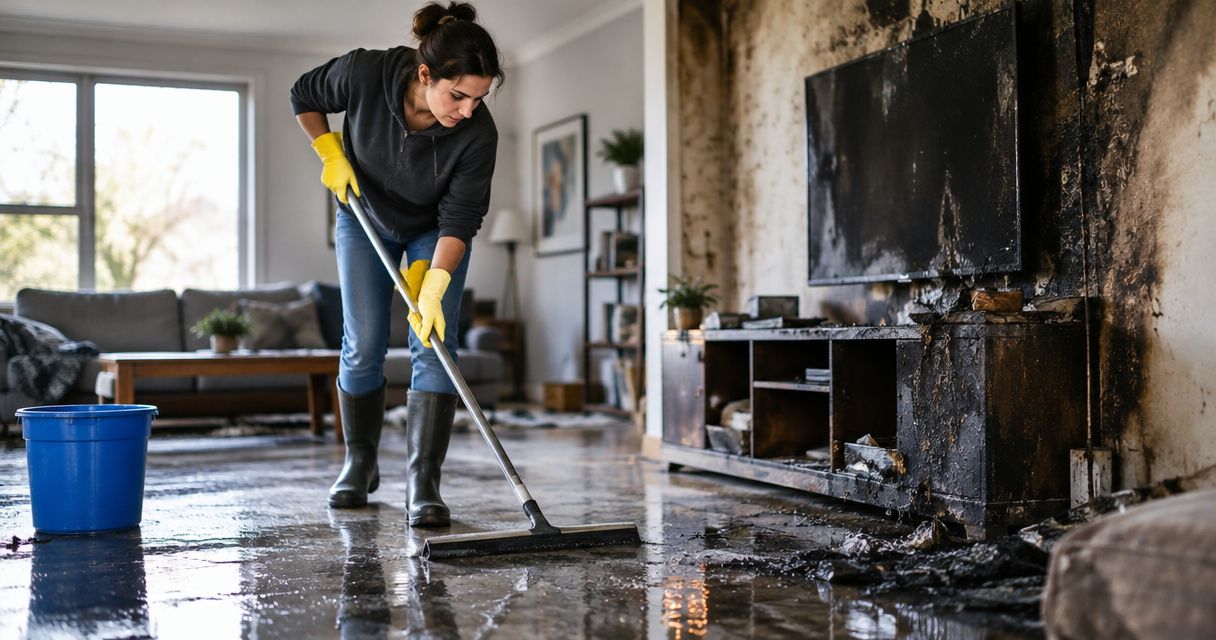
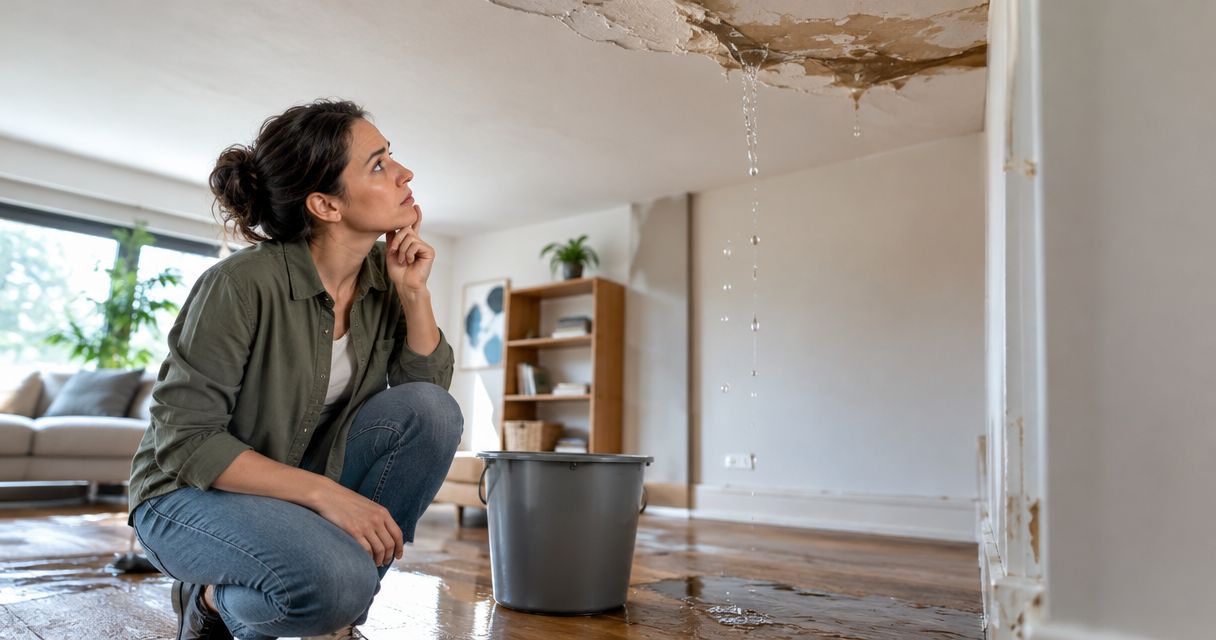
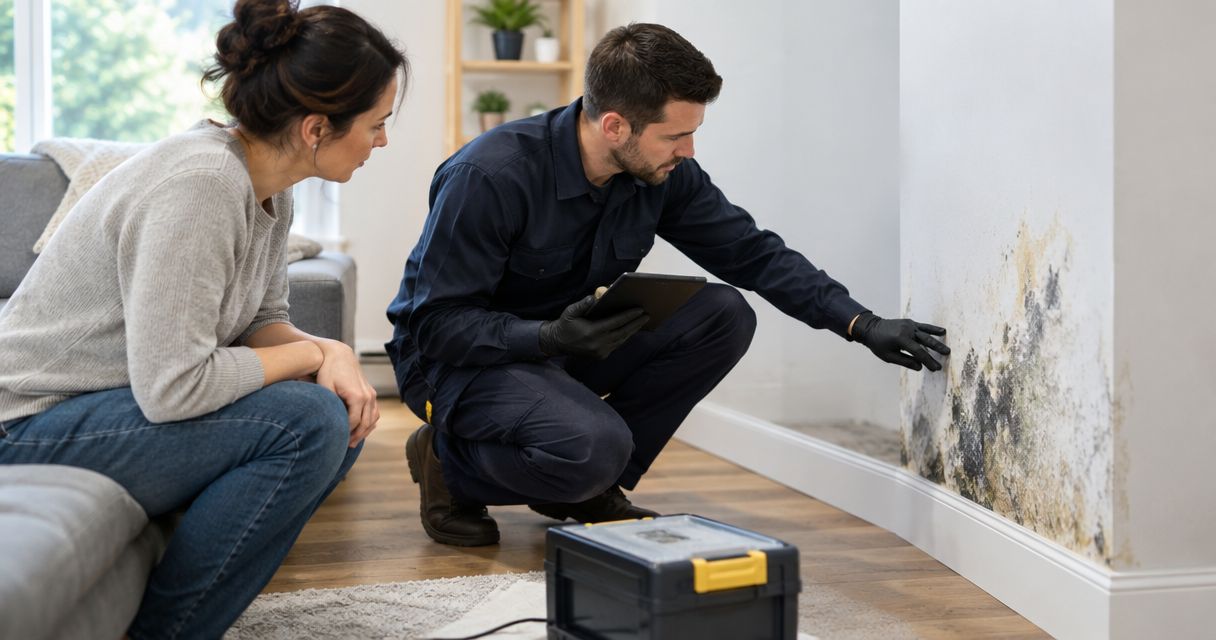
Restoration belongs in the plan when the leak has affected building materials, not only when water is visible on the floor. Have the affected area assessed while the plumbing source is being addressed. Moisture assessment helps establish whether materials beneath flooring or inside adjoining assemblies need attention.
Firewaterdamage is best for homeowners and property owners who need water damage restoration alongside a separate slab leak plumbing repair. Firewaterdamage offers 24/7 emergency response and IICRC-certified cleanup crews serving Temecula, Escondido, and North County San Diego/Inland Empire.
The relevant service is cleanup and restoration. Do not substitute a restoration assessment for a plumber's diagnosis, or assume that a cleanup agreement includes repiping. Ask Firewaterdamage about the restoration scope and keep the plumbing responsibilities explicit.
In your 2026 project file, separate source control, drying, and reconstruction. That separation helps you track unfinished work after the immediate leak is stopped.
Does another slab leak mean you need a whole-house repipe?
Another slab leak warrants a broader assessment, not an automatic whole-house repipe. Ask whether the new failure affects a different line, whether its cause resembles the previous failure, and whether the earlier repair addressed the underlying problem.
Give the plumber previous repair records if you have them. A history described only as recurring leaks leaves out the locations and causes that make the pattern useful.
Can you repair a slab leak without breaking the slab?
A suitable reroute can bypass a damaged supply line without opening the slab at the leak location. That does not mean the project needs no access openings. The new route and connection points determine which walls, ceilings, or other areas need work.
Ask the plumber to show the proposed route and identify the active piping left behind. Avoid choosing a method solely because it is described as noninvasive.
Will insurance decide whether you repair or repipe?
Your policy and claim determination—not the repair label—govern insurance coverage. Ask the insurer to distinguish the failed pipe, access work, resulting water damage, and finish repairs rather than treating the entire project as a single covered or excluded item.
Keep the plumbing recommendation separate from the coverage decision. Document the damage and retain records of emergency work, but do not assume that a whole-house repipe is included because the leak caused damage.
FAQ
Should I repair a slab leak or repipe my whole house?
Repair a confirmed isolated failure when the surrounding piping is assessed as serviceable; consider repiping when documented problems affect the broader supply system. Compare what each proposal replaces and what original piping remains active.
Is a whole-house repipe better than a slab leak repair?
A whole-house repipe is better suited to documented system-wide supply-pipe problems, not every slab leak. It involves broader work and does not itself dry damaged building materials.
Can I reroute the leaking pipe instead of repiping everything?
A targeted reroute is an option when a suitable alternative route can serve the affected fixtures. Have the plumber identify the new route, required access, and piping that remains in service.
Does repairing the pipe fix the water damage too?
Repairing the pipe stops the identified plumbing failure but does not establish that affected materials are dry. Water-damaged assemblies need a separate assessment before reconstruction.
Can I stay home during a slab leak repair or repipe?
Whether you can stay home depends on safe water access, sanitation, work-area separation, and the extent of damage. Ask the plumbing and restoration contractors to explain the conditions before work begins.
Does Firewaterdamage provide whole-house repiping?
Firewaterdamage provides fire and water damage restoration with 24/7 emergency response and IICRC-certified cleanup crews. Arrange a separate plumbing assessment for slab leak repair or whole-house repiping.
What should a slab leak repair proposal include in 2026?
A 2026 slab leak repair proposal should identify the diagnosed source, piping replaced, piping retained, access requirements, testing, and exclusions. Keep drying and finish-repair responsibilities explicit.
One last thing
Ask what stays—not just what gets replaced. The most revealing sentence in a proposal often describes the original piping left in service.
Before approving your 2026 project, have the plumber mark the replaced lines and retained lines on a simple sketch. Then ask whether the recommendation still makes sense when you look only at what remains. That question keeps a spot repair from being oversold as a system upgrade and a repipe from being accepted without clear boundaries.